
Gamble Sands / Washington
The best Washington golf trip is not one place. It is Gamble Sands as the anchor, with Wine Valley, Suncadia, and Chambers Bay used only if the group has the time and appetite for miles
The take
Gamble Sands opened in Brewster in 2014 and gave Washington something it badly needed: a public-access, Top 100-caliber destination course with width, firm turf, match-play energy, and Columbia River Plateau views that make the drive feel less ridiculous. David McLay Kidd built the original course, then returned with Nick Schaan for Scarecrow, which opened for public/resort play in 2025 and turns Gamble from a one-course pilgrimage into a legitimate multi-round stay.
The broader Washington build is powerful but geographically dangerous. Wine Valley in Walla Walla is an excellent wine-country add-on. Suncadia's Prospector can work as a Seattle-to-Brewster positioning round. Chambers Bay is the U.S. Open pilgrimage. But none of these are casual little side trips. Washington is a big state with big drives and no mercy for optimistic itineraries.
Read the full take
The best version is simple: stay at Gamble Sands, play Gamble Sands and Scarecrow, use Quicksands for the social round, and only add Wine Valley or Chambers if the trip is long enough. Walla Walla can be excellent if you treat it as wine-country extension. Chambers Bay is a Seattle/Tacoma bookend, not a Brewster day trip. If you try to do all of Washington in three nights, the map wins.
Best version
Use Gamble Sands as the base for two or three nights. Play Gamble Sands, Scarecrow, and Quicksands. If the group has four or five nights, add Wine Valley as a wine-and-golf extension or Chambers Bay as a separate pilgrimage round near Seattle/Tacoma. Suncadia only belongs if you need a comfortable mid-route stop between Seattle and Brewster. Do not pretend Brewster, Walla Walla, Cle Elum, and University Place are one neat little loop.
Skip if
- Groups that need nightlife
- Travelers who dislike remote drives
- Luxury-first groups that want spa depth and room-service polish
- Anyone trying to cover all Washington anchors in a short weekend
Insider notes
- Use Gamble Sands as the base for two or three nights.
- Play Gamble Sands, Scarecrow, and Quicksands.
- If the group has four or five nights, add Wine Valley as a wine-and-golf extension or Chambers Bay as a separate pilgrimage round near Seattle/Tacoma.
- Suncadia only belongs if you need a comfortable mid-route stop between Seattle and Brewster.
The courses
6 core rounds. Scan first, then click into the course detail when you want the full read.
Full destination course detailsExpand this section for the deeper course reads, then click again to hide it.ExpandClose
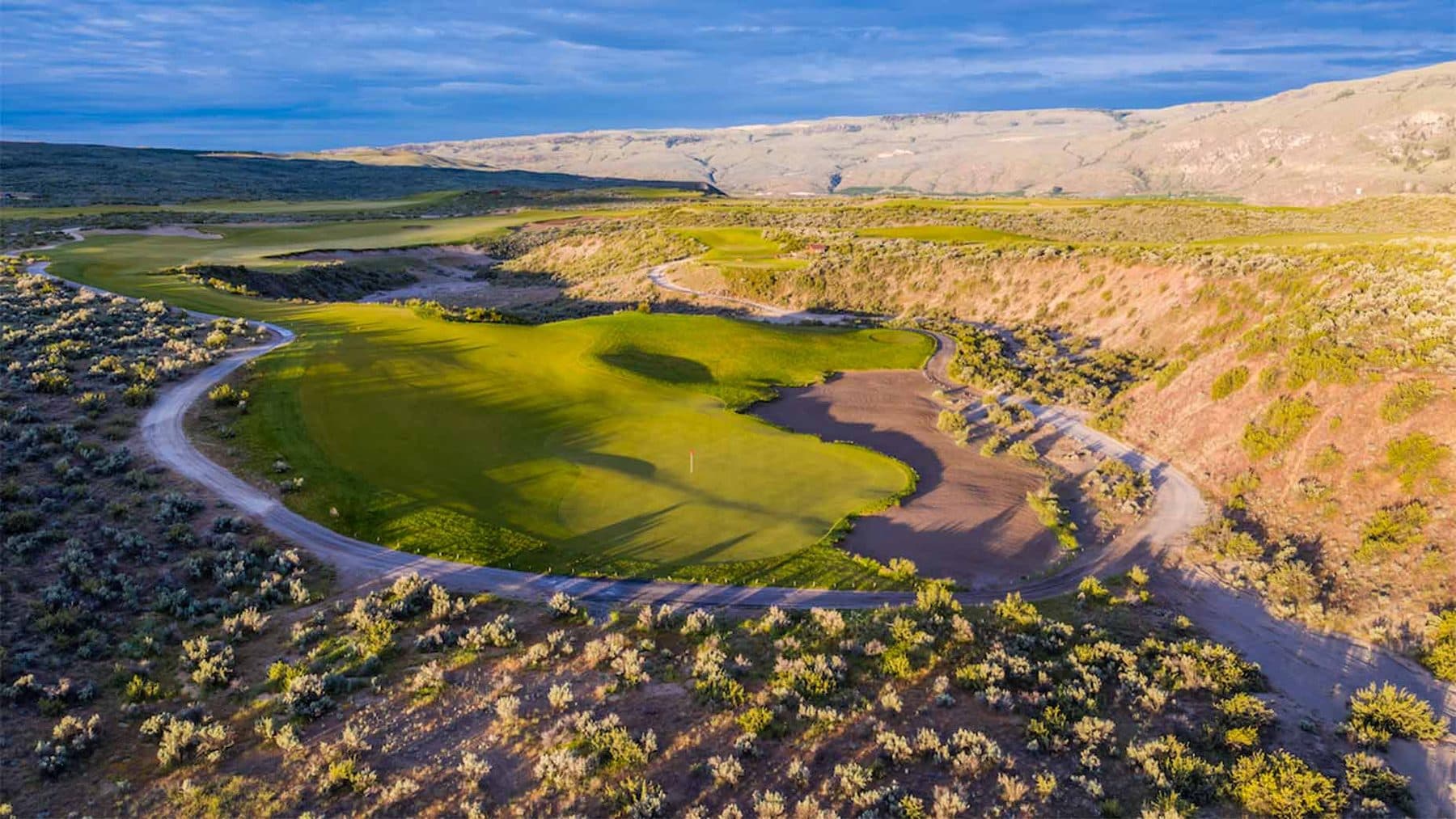
Strong play
Gamble Sands
- Designer
- David McLay Kidd
- Year
- 2014
- Par
- 72
- Yardage
- 7,169
- Difficulty
- Medium
- Green fees
- 2026 published rates: $200 in April/October, $295 May-September; second 18 is $150 in April/October and $195 May-September. Cart included.
Gamble Sands is generous without being dumb. The fairways are wide because the architect wants you choosing angles, not apologizing from desert scrub. The course is fun first, strategic second, and that order is exactly why people want to replay it.
Strengths
- Width with decisions
- Firm ground game
- Huge views
- Outstanding replay value
Weaknesses
- Remote travel
- Subtle difficulty
- Limited nightlife
The anchor. Play it early and probably play it again.
Signature holes: 2, 7, 14, 18
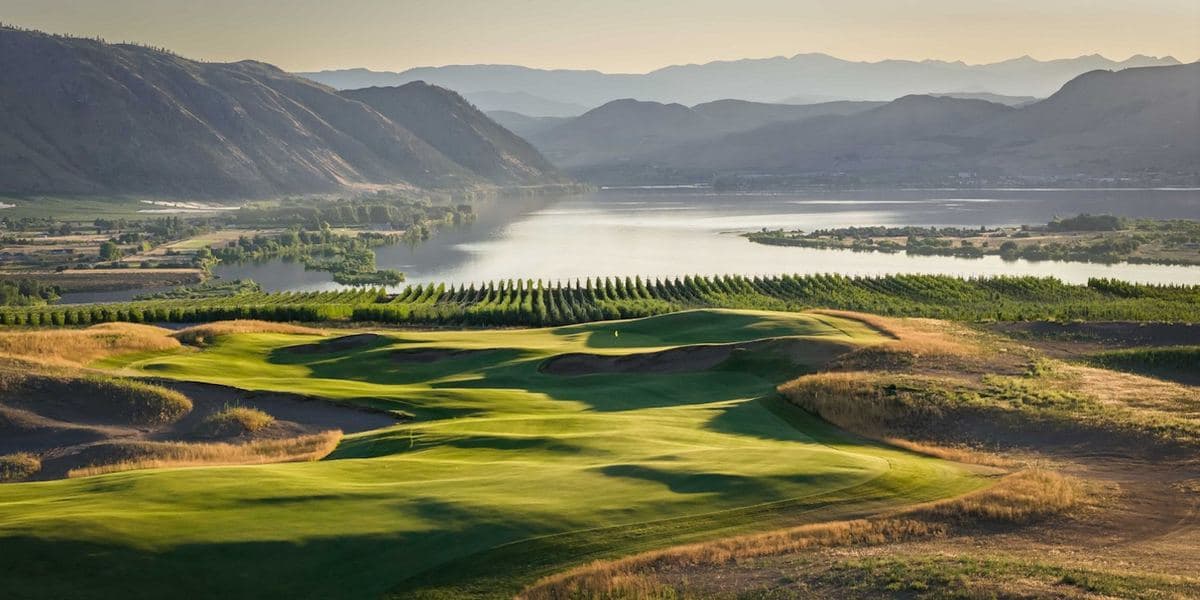
Must play
Scarecrow
- Designer
- David McLay Kidd
- Year
- 2025
- Par
- 71
- Yardage
- About 6,900
- Difficulty
- Medium-high
- Green fees
- 2026 published rates mirror Gamble Sands: $200 in April/October, $295 May-September; second 18 is $150-$195.
Scarecrow is the course that changes the destination. The original Gamble Sands could always justify a detour. Scarecrow makes the resort easier to justify as the trip. Expect a bolder, more elevated, slightly more demanding companion to the original rather than a duplicate with a different logo.
Strengths
- Gives Gamble a true second regulation anchor
- Bolder contour
- Strong visual identity
Weaknesses
- Still maturing
- Fewer long-term data points
- Can be more demanding than the original
Must play now, with upside as it matures.
Signature holes: 4, 9, 15, 18
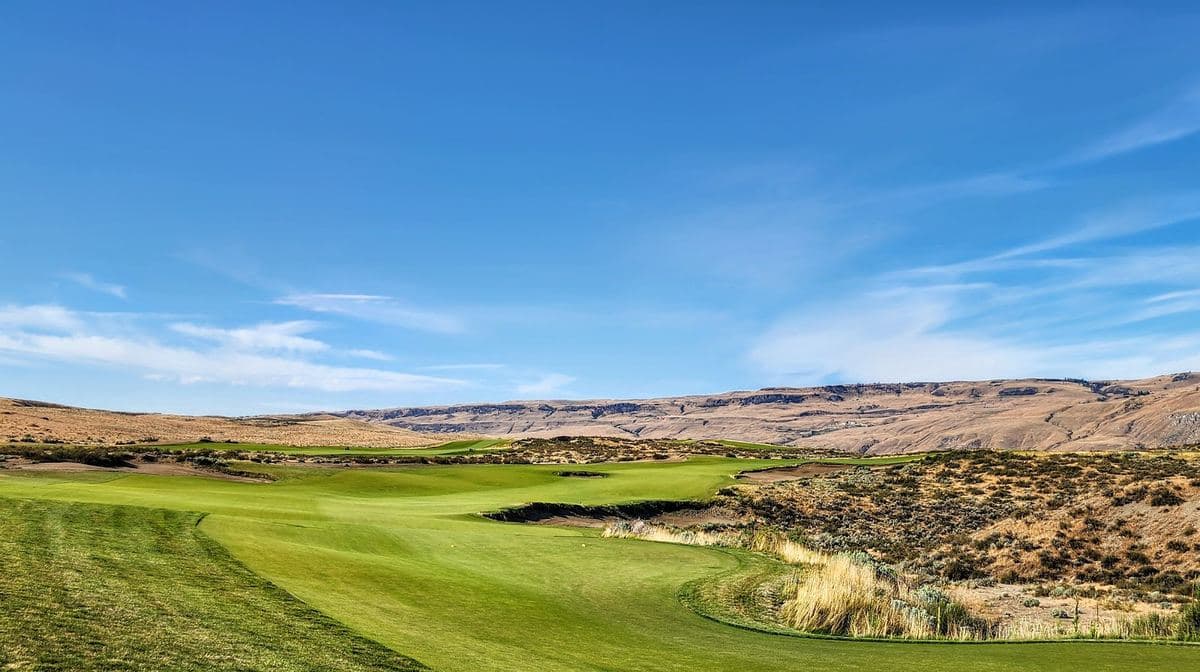
Strong play
Quicksands
- Designer
- David McLay Kidd
- Year
- 2021
- Par
- Short course
- Yardage
- 14 par-3 holes, roughly 60-180 yards
- Difficulty
- Low-medium
- Green fees
- 2026 published rate: $75. Walking pull cart included.
Quicksands is not there to prove anything. It is there to loosen the group, settle bets, and remind everyone that golf is allowed to be stupidly fun.
Strengths
- Group energy
- Creative short-game shots
- Fast pace
- Great after a full round
Weaknesses
- Not a regulation round
- Wind can make it goofy
- Easy to overdo with drinks
Mandatory if you stay on property.
Signature holes: Plinko, Crater, Donut
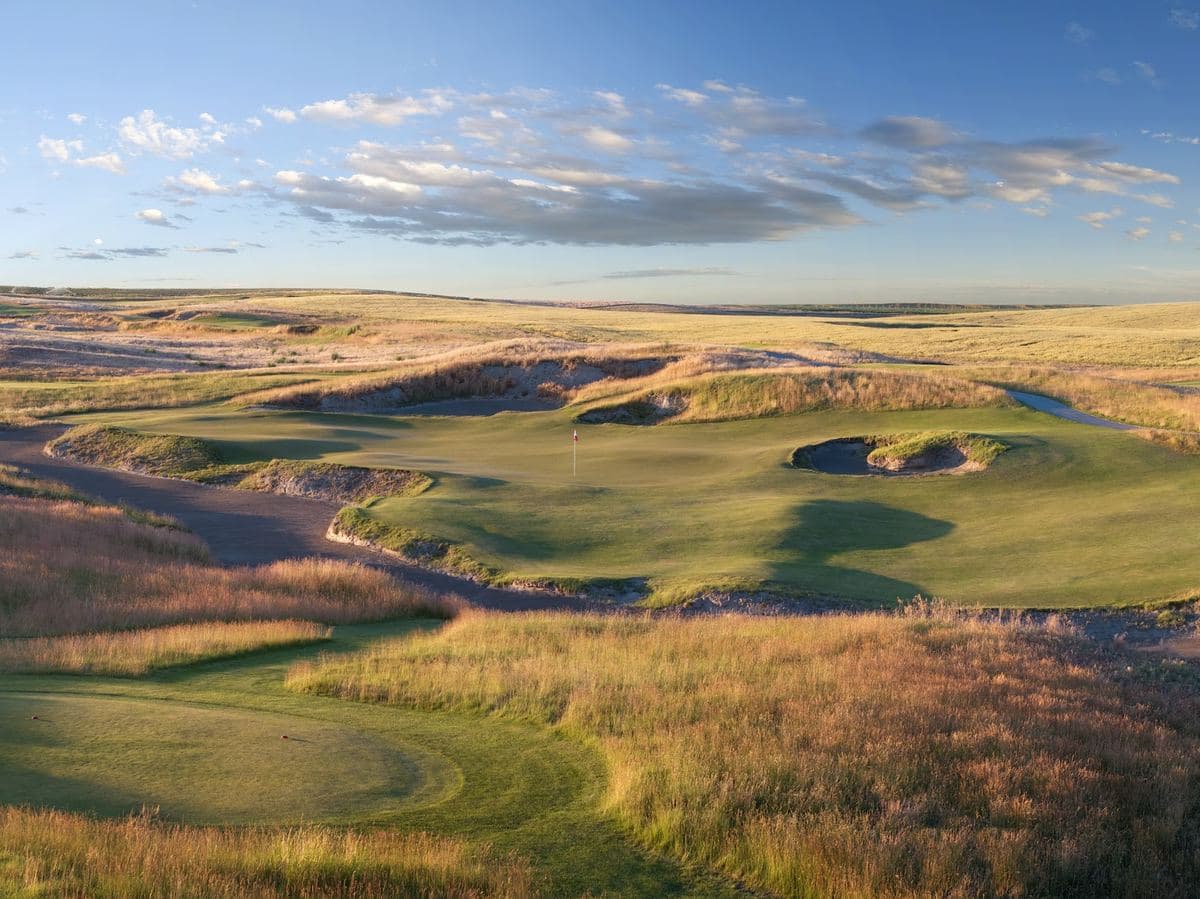
Strong play
Wine Valley
- Designer
- Dan Hixson
- Year
- 2009
- Par
- 72
- Yardage
- 7,360
- Difficulty
- Medium-high
- Green fees
- 2026 peak-season published rates: $175-$198 Monday-Thursday and $198-$221 Friday-Sunday before tax; cart and range balls included.
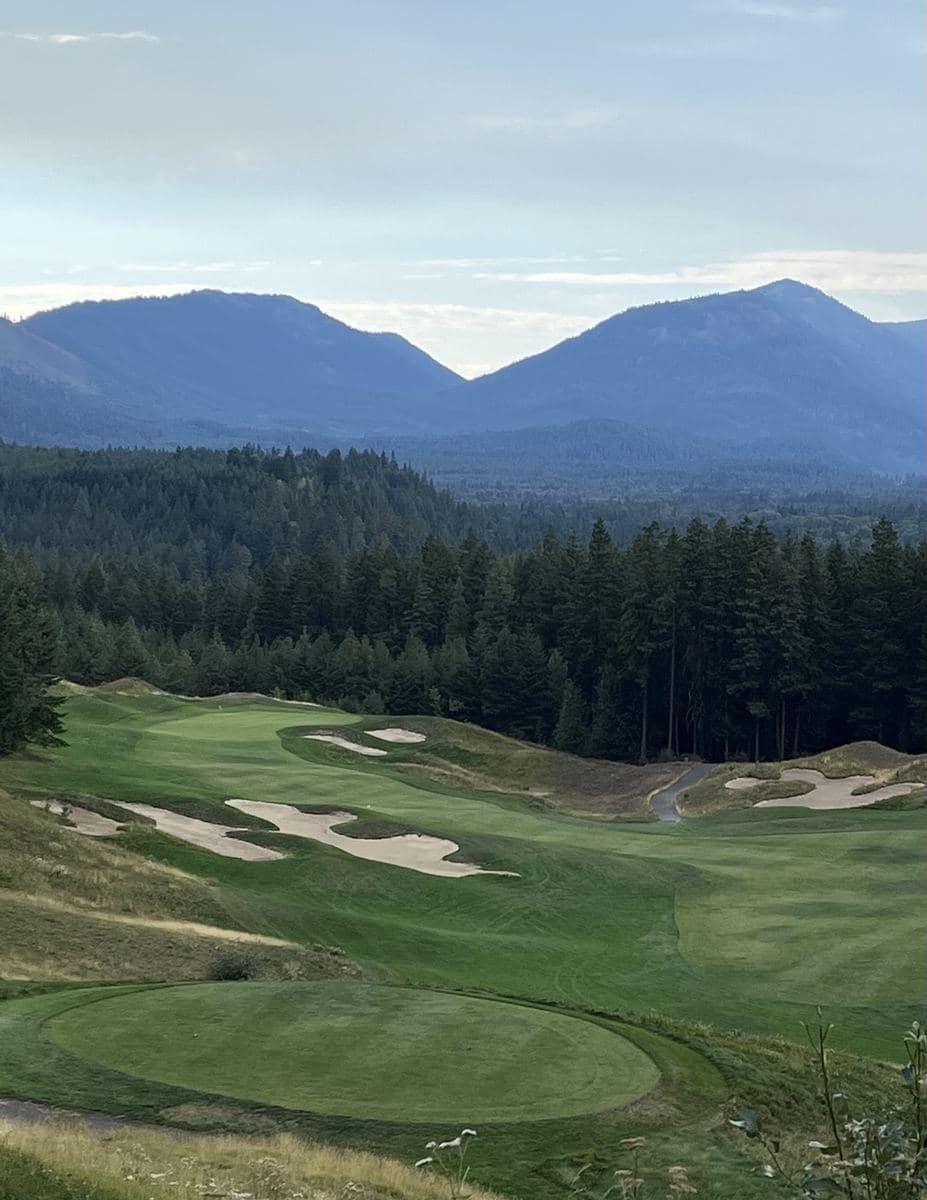
Wine Valley is good enough to deserve its own respect, not just a throwaway add-on. Pair it with Walla Walla food and wine, or skip it. The weak play is wedging it into a Gamble itinerary and spending the whole day in a car while pretending the tasting room at 8:30 p.m. will fix everything.
Strengths
- Big scale
- Firm turf
- Wine-country setting
- Strong value against trophy resorts
Weaknesses
- Three-plus hours from Gamble
- Separate lodging base
- Weaker fit for a short Gamble trip
Excellent extension. Bad forced detour.
Signature holes: 3, 7, 13, 18
Strong play
Suncadia - Prospector
- Designer
- Arnold Palmer Design Company
- Year
- 2005
- Par
- 72
- Yardage
- 7,100
- Difficulty
- Medium
- Green fees
- Dynamic resort/public pricing; confirm direct with Suncadia before booking.
Prospector is useful. That is a compliment. It gives Seattle-area groups a sensible mid-route resort stop, especially if the trip needs lodging, restaurants, and easier golf before the big drive.
Strengths
- Logical route stop
- Resort lodging
- Playable Palmer design
- Easier companion fit
Weaknesses
- Not a destination anchor
- Lower architectural ceiling
- Can become itinerary padding
Good route piece. Do not let it crowd out the anchors.
Signature holes: 2, 10, 14, 18
Strong play
Chambers Bay
- Designer
- Robert Trent Jones Jr.
- Year
- 2007
- Par
- 72
- Yardage
- 7,585
- Difficulty
- High
- Green fees
- 2026 published non-resident starting rates run roughly $149-$325 by month, with advanced booking rates up to $425 in July/August; taxes/fees vary.
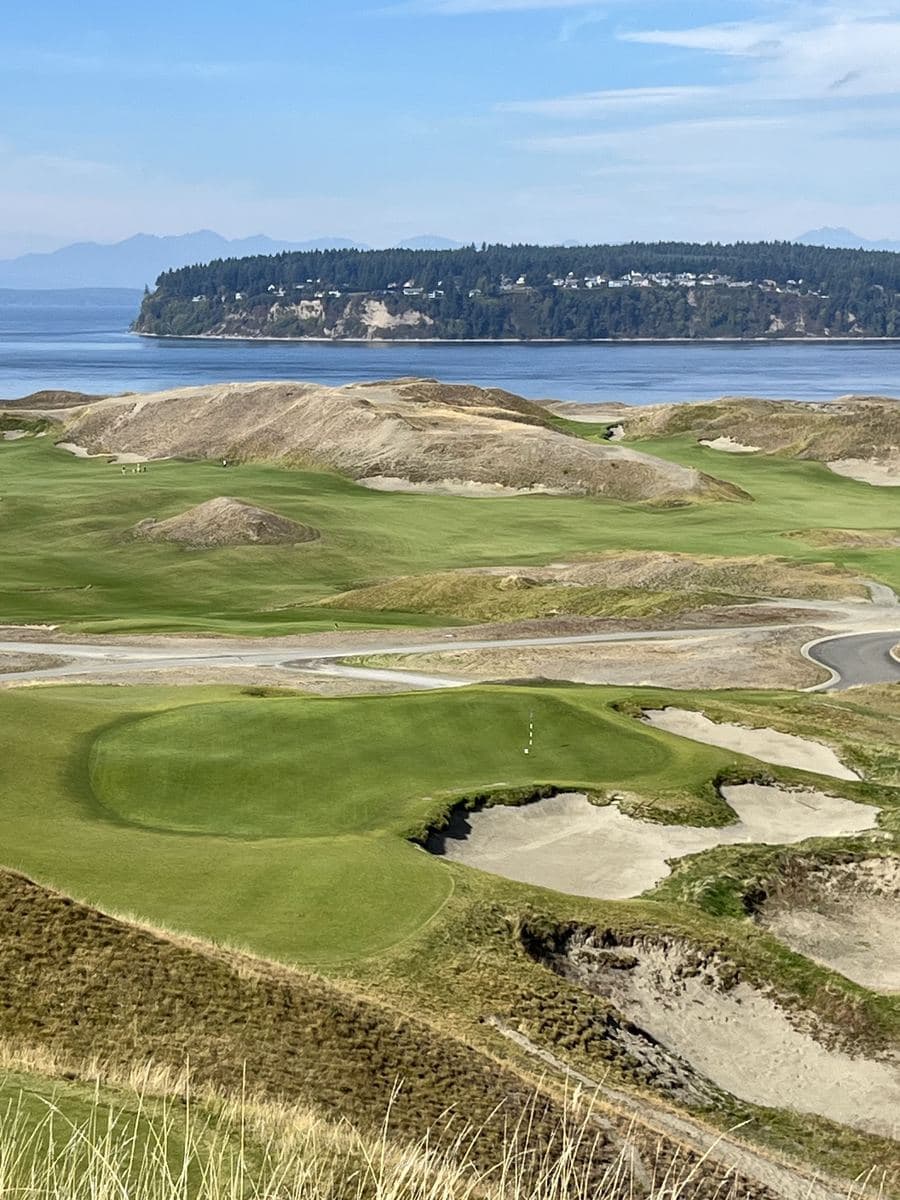
Chambers Bay is worth playing. It is not worth pretending it is next door. Use it as the Seattle/Tacoma bookend if flights and time support it. If the trip is really Gamble Sands, keep Chambers out unless the group has a genuine pilgrimage appetite.
Strengths
- Major-championship venue
- Puget Sound setting
- Public access
- Massive scale
Weaknesses
- Long detour from Brewster
- Exposed walk
- Not a quick add-on
Worth the detour only when the trip has enough days.
Signature holes: 7, 9, 15, 18
Where to stay, eat, and stray
Lodging
Where to stay
The Inn at Gamble Sands
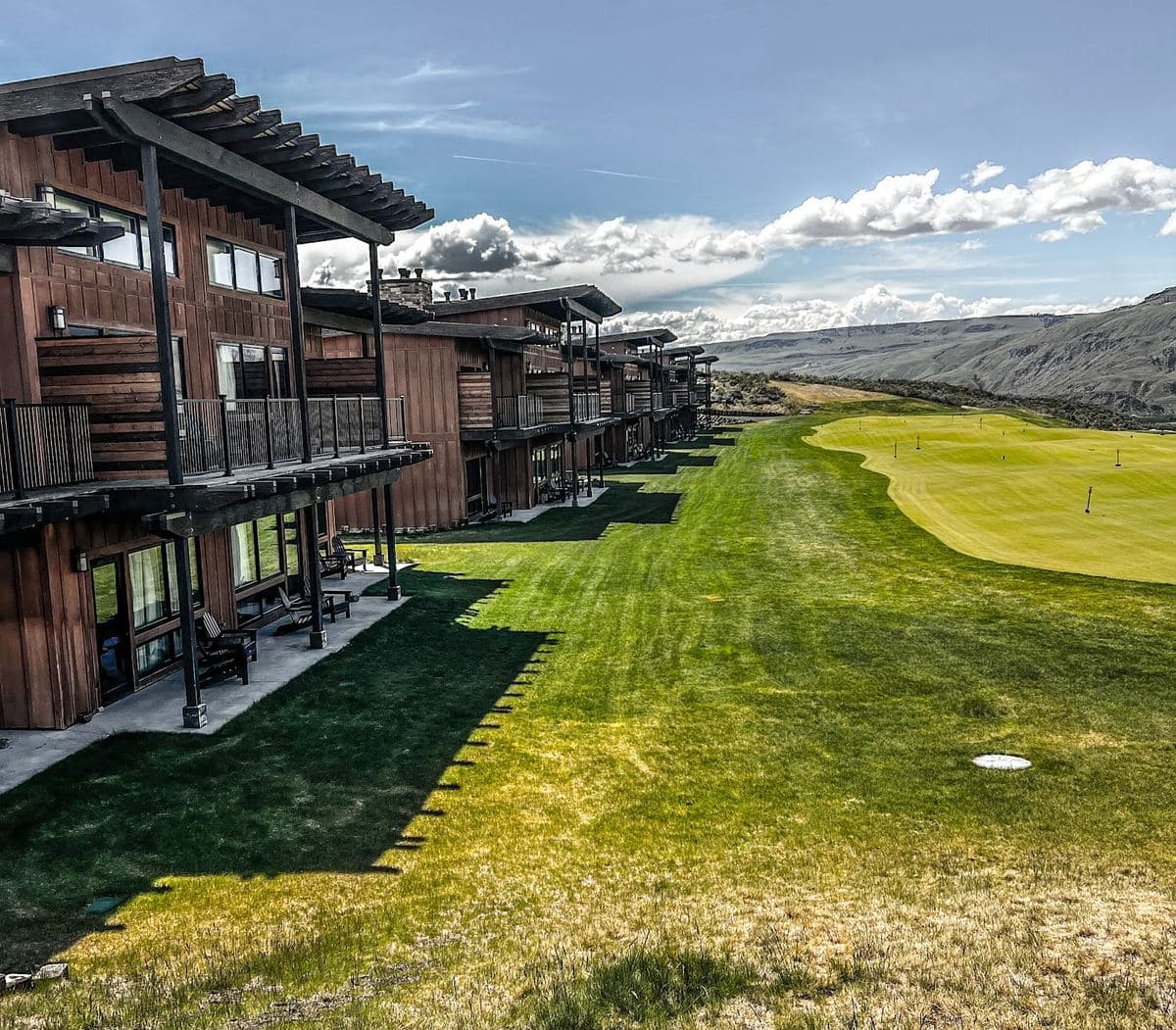
The Inn is the obvious answer because this is not the destination to outsmart. Stay there, walk to golf, eat on property, play again.
Walla Walla hotels
If Wine Valley is part of the trip, Walla Walla should be a real night, not a gas-station sandwich between drives.
Marcus Whitman Hotel
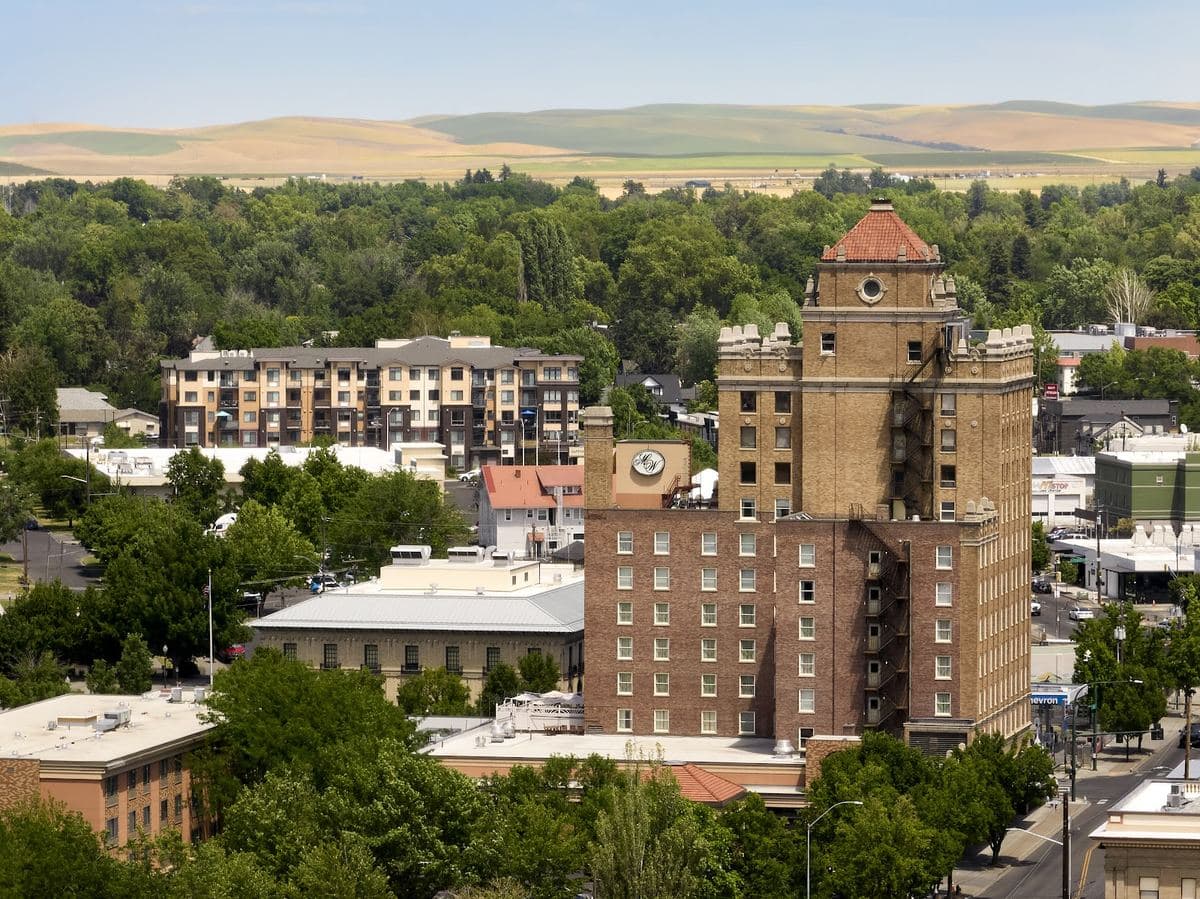
This is the most sensible Walla Walla anchor if Wine Valley is not just a drive-by. Stay in town, eat properly, and make the extension worth the miles.
Dining
Where groups actually eat
Danny Boy Bar & Grill
Danny Boy is the default. After 36 holes in Brewster, default is not an insult.
The Barn
The Barn is the pressure-release meal. Use it when the group wants food fast and another drink before someone starts proposing terrible bets.
Walla Walla restaurants and wine rooms
If the group cares about dining, this is the route extension that makes sense. If it does not, stay at Gamble and play more golf.
Things to do
Beyond the golf
Wine tasting in Walla Walla
The best true off-course add-on in the itinerary, but only if Wine Valley is part of the plan.
Columbia River downtime
At Gamble, do less. The quiet is part of the product.
Cascade mountain resort time
At Suncadia, use the resort if the group has non-golfers or needs a softer day.
Planning mechanics
Logistics
Flights, driving, walking
Flights
Pangborn Memorial / Wenatchee (EAT): closest useful commercial airport to Gamble if flights work. Spokane (GEG): common option for Gamble, with a long but straightforward drive. Seattle-Tacoma (SEA): best for Chambers or Suncadia routing, less ideal for a Gamble-only trip. Walla Walla (ALW): useful for Wine Valley extension if flights cooperate.
Ground transportation
Rent cars. For Gamble-only, drive in and stay put. For Washington-route versions, plan drive blocks like tee times: specific, realistic, and not left to group optimism.
Walking
Gamble is cart-included but walkable in spirit. Quicksands is walking-only. Chambers Bay is walking-only and one of the tougher public walks in America. Caddies are useful at Chambers and less central at Gamble.
Weather
When the trip works best
Best window
May through October.
Inland heat
Brewster and Walla Walla can get hot in summer.
Shoulder season
Better value, more condition/weather risk.
Planning ranges
Cost and value levers
Gamble Sands / Scarecrow
$200-$295 in 2026 - Published seasonal rates; second 18 is $150-$195.
Quicksands
$75 - High-value social round.
Gamble lodging
$300-$550 per room/night in 2026 - Taxes/fees not included.
Itinerary builder
Build your itinerary
The sample on the right is an illustrative Streamsong example.
It is meant to show the depth and shape of a real plan. Build your own around your group, dates, rounds, lodging, dining, and travel timing.
Illustrative sample output
Streamsong in 3 Days: 4 Rounds, Mixed Group
3 nights at Streamsong Lodge covering all 3 courses plus a repeat of whichever lands best with the group. With a mixed-skill group and a social thread running through the trip, the sequencing matters: start approachable, build toward bold, and protect evenings for the group to decompress together.
Recommendation
Start with Red to set the right tone for mixed players, not Black. Black's scale can deflate weaker players early and that poisons the rest of the trip.
Day 1
Morning: Arrive, check in to Streamsong Lodge, and get settled without rushing. Arrival timing is unknown, so do not force a same-day round.
Afternoon: If arriving early-to-midday, use the practice facilities to shake off travel; skip forcing an afternoon round on an unknown schedule.
Evening: Make this the nicer dinner night. Gather the group, debrief the plan, and use the evening to build energy for the heavy golf days ahead.
Insider note: Day 1 is the setup day, not a golf day. Burning a round here on travel legs is the most common mistake groups make at Streamsong.
Day 2
Morning: Tee off on Streamsong Red first thing. It is the most balanced course and the right anchor for a mixed-skill group on fresh legs.
Afternoon: Afternoon round on Streamsong Blue. It is more open and wind-affected, which rewards better players while staying manageable enough for the group.
Evening: Keep dinner casual and on property. Two rounds is a full day and the group needs to recover, not power through a production.
Insider note: Red in the morning lets the group settle in before Blue asks harder questions in the afternoon wind.
Day 3
Morning: Play Streamsong Black. Use it as the bold contrast round the guide describes, not as the centerpiece, and set expectations accordingly for higher-handicap players.
Afternoon: Replay the course that resonated most with the group. Red is the likely call for mixed groups, Blue for stronger players who want another look.
Evening: Final evening on property. Keep it relaxed since departure timing is unknown and no one should be grinding through dinner logistics.
Insider note: Black is the experience round, not the best round. Frame it that way for the group before the first tee so no one is quietly disappointed by the rougher edges.
Tradeoffs
Four rounds in two full golf days is aggressive but workable at a comfortable pace. The plan keeps Day 1 golf-free to protect legs and group cohesion rather than chasing a fifth round nobody would enjoy.
Black is scheduled for Day 3 morning rather than being skipped. It adds useful contrast and a memorable moment, but it was deliberately placed after the group already has two courses under its belt rather than as an opener.
The nicer dinner was placed on Day 1 rather than a golf day. This protects energy on the days that matter and gives the group something to build toward without splitting a long golf day around a formal meal.
Book first
Book all four tee times at Streamsong before lodging fills. The property manages its own tee sheet and availability tightens fast in peak season.
Confirm Streamsong Lodge rooms for all three nights in a single block. A small group of 3-4 makes this manageable, but winter weekends can still book out early.
Arrange caddies for at least Red and Blue if the group is open to walking. First-time looks benefit significantly from local knowledge on both courses.
Watchouts
Two rounds on Day 2 is the heaviest ask of the trip. If anyone in the mixed group is a high-handicapper or infrequent player, build in flexibility to skip the afternoon Blue round rather than grinding through it.
Streamsong is genuinely remote and there is no nightlife option off property. Groups expecting energy beyond the lodge bar will be disappointed, and that expectation gap kills trip morale faster than a bad round.
Black's scale and difficulty can frustrate less experienced players, especially after already playing 36 holes the day before. If the group's weakest player struggled on Day 2, consider swapping Black for a Red replay.
LodgingExpandClose
For the core trip, stay at Gamble Sands. Off-property savings are not worth much when the whole point is waking up near the first tee and not driving after dinner. For the broader Washington route, use Walla Walla or Suncadia as deliberate bases, not random hotel stops.
Resort inn
The Inn at Gamble Sands
Best for: most Gamble-based groups
Cost: 2026 published lodging rates: $300 per night in April, $450 per night May-October for standard rooms; king suites $400/$550 before taxes and fees.
The Inn is the obvious answer because this is not the destination to outsmart. Stay there, walk to golf, eat on property, play again.
Pros
easiest logistics, golf-first setting, river/golf views, direct access to Gamble/Scarecrow/Quicksands
Cons
limited lodging depth, remote, not luxury-resort plush
Wine-country hotels / inns
Walla Walla hotels
Best for: Wine Valley extension
Cost: Variable by season and event calendar; expect wine-weekend premiums.
If Wine Valley is part of the trip, Walla Walla should be a real night, not a gas-station sandwich between drives.
Pros
best dining and wine scene in the Washington build, strongest off-course evening
Cons
far from Gamble Sands, requires separate base, can distract from the golf mission
Historic wine-country hotel
Marcus Whitman Hotel
Best for: Wine Valley extension with real dinner/wine access
Cost: Variable by wine weekends, events, and season.
This is the most sensible Walla Walla anchor if Wine Valley is not just a drive-by. Stay in town, eat properly, and make the extension worth the miles.
Pros
Central Walla Walla location, classic hotel feel, easy tasting-room and restaurant access
Cons
Not connected to Gamble, separate base required, event weekends can price up
Mountain resort
Suncadia Resort
Best for: Seattle-to-Brewster positioning or mixed groups
Cost: Dynamic resort rates; verify direct.
Suncadia works when the group needs comfort, families, or a staged route. It is not the soul of the trip.
Pros
lodging depth, resort amenities, logical Cle Elum location, companion-friendly
Cons
not the core golf reason to go, can add cost without adding enough golf quality
Airport / city hotel
Tacoma / Seattle airport hotel
Best for: Chambers Bay bookend
Cost: Variable by location and season.
Use this only if Chambers Bay is a planned bookend. Do not sleep near Sea-Tac just because someone got a deal.
Pros
practical for Chambers and flights, more dining options, easier commercial access
Cons
urban logistics, traffic, not a resort-golf feel
Tacoma city hotel
Hotel Murano / Tacoma base
Best for: Chambers Bay bookend without staying at the airport
Cost: Dynamic city-hotel pricing.
If Chambers Bay is the opener or closer, Tacoma makes more sense than forcing the group back to Seattle after a demanding walk.
Pros
Better than an airport box, closer to Chambers Bay, downtown Tacoma dining access
Cons
Only relevant if Chambers is in the plan
DiningExpandClose
At Gamble, dining is functional and improving, not a culinary thesis. The broader Washington route changes that: Walla Walla can carry a real dinner, Suncadia can handle resort meals, and Seattle/Tacoma can solve anything. The trick is matching the meal to the route.
Main Gamble Sands dinner
Danny Boy Bar & Grill
Best for: post-round group meals
Danny Boy is the default. After 36 holes in Brewster, default is not an insult.
Pros
on-property, easy, built for the trip
Cons
limited menu depth, not a food-destination meal
Casual Gamble Sands dining
The Barn
Best for: lunch, pizza, casual group hang
The Barn is the pressure-release meal. Use it when the group wants food fast and another drink before someone starts proposing terrible bets.
Pros
easy, casual, good between golf windows
Cons
not a special-occasion dinner
Wine-country dinner
Walla Walla restaurants and wine rooms
Best for: Wine Valley extension
If the group cares about dining, this is the route extension that makes sense. If it does not, stay at Gamble and play more golf.
Pros
best off-course food/wine upside in the Washington route
Cons
only works if you actually base in Walla Walla
Walla Walla dinner
The Marc at Marcus Whitman
Best for: Wine Valley extension
This is the grown-up Walla Walla night. Pair it with Wine Valley and stop pretending Brewster has a fine-dining scene.
Pros
Easy if staying at Marcus Whitman, proper wine-country dinner, good for a planned group meal
Cons
Not useful for Gamble-only trips
Walla Walla casual
Public House on Main
Best for: Lower-friction wine-country dinner
Good for the night when everyone wants food and local wine without turning dinner into a ceremony.
Pros
Casual, group-friendly, useful after travel
Cons
Less special-occasion energy than the best Walla Walla rooms
Ellensburg beer stop
Iron Horse Brewery
Best for: Seattle-to-Brewster road-trip break
This is a route tool, not a culinary recommendation. Sometimes a good route tool is exactly what saves the day.
Pros
Practical route stop, beer, low pressure
Cons
Not a destination dinner
Resort dining
Suncadia resort dining
Best for: Cle Elum stopover
Useful if you are already there. Not a reason to go.
Pros
convenient, resort-friendly, useful for mixed groups
Cons
not destination dining, can feel expensive for what it is
Other things to doExpandClose
The non-golf plan depends on which version of Washington you are building.
Wine tasting in Walla Walla
The best true off-course add-on in the itinerary, but only if Wine Valley is part of the plan.
Columbia River downtime
At Gamble, do less. The quiet is part of the product.
Cascade mountain resort time
At Suncadia, use the resort if the group has non-golfers or needs a softer day.
Chambers Bay walk and Puget Sound
If you are near Tacoma, the setting itself is part of the day. Build time for the walk, not just the tee time.
The best true off-course add-on in the itinerary, but only if Wine Valley is part of the plan. At Gamble, do less. The quiet is part of the product. At Suncadia, use the resort if the group has non-golfers or needs a softer day. If you are near Tacoma, the setting itself is part of the day. Build time for the walk, not just the tee time.
LogisticsExpandClose
Closest airports
Pangborn Memorial / Wenatchee (EAT): closest useful commercial airport to Gamble if flights work., Spokane (GEG): common option for Gamble, with a long but straightforward drive., Seattle-Tacoma (SEA): best for Chambers or Suncadia routing, less ideal for a Gamble-only trip., Walla Walla (ALW): useful for Wine Valley extension if flights cooperate.
Commercial flights
Pangborn Memorial / Wenatchee (EAT): closest useful commercial airport to Gamble if flights work. Spokane (GEG): common option for Gamble, with a long but straightforward drive. Seattle-Tacoma (SEA): best for Chambers or Suncadia routing, less ideal for a Gamble-only trip. Walla Walla (ALW): useful for Wine Valley extension if flights cooperate.
Private aviation
Private aviation can materially improve the Gamble trip because Brewster is remote and commercial routing is awkward. It is a convenience upgrade with real value for high-end groups.
Ground transportation
Rent cars. For Gamble-only, drive in and stay put. For Washington-route versions, plan drive blocks like tee times: specific, realistic, and not left to group optimism.
Walking / caddies
Gamble is cart-included but walkable in spirit. Quicksands is walking-only. Chambers Bay is walking-only and one of the tougher public walks in America. Caddies are useful at Chambers and less central at Gamble.
WeatherExpandClose
Best window
May through October.
Inland heat
Brewster and Walla Walla can get hot in summer.
Shoulder season
Better value, more condition/weather risk.
| Metric | Jan | Feb | Mar | Apr | May | Jun | Jul | Aug | Sep | Oct | Nov | Dec |
|---|---|---|---|---|---|---|---|---|---|---|---|---|
| High | 35F | 41F | 53F | 62F | 72F | 80F | 89F | 88F | 77F | 61F | 45F | 35F |
| Low | 23F | 26F | 34F | 41F | 49F | 56F | 62F | 61F | 52F | 41F | 31F | 24F |
| Sun | Low | Mixed | Good | Good | Best | Best | Hot | Hot | Good | Mixed | Low | Low |
| Clouds | High | Medium | Medium | Medium | Low | Low | Low | Low | Low | Medium | High | High |
| Rain | Snow | Medium | Medium | Medium | Low | Low | Low | Low | Low | Medium | Medium | Snow |
Planning rangesExpandClose
Gamble Sands / Scarecrow
$200-$295 in 2026
Published seasonal rates; second 18 is $150-$195.
Quicksands
$75
High-value social round.
Gamble lodging
$300-$550 per room/night in 2026
Taxes/fees not included.
Wine Valley
$175-$221 peak-season rack before tax
Cart and range balls included.
Chambers Bay
Non-resident starts around $149-$325; advance booking up to $425
Dynamic by month and booking window.
Suncadia Prospector
Dynamic resort/public pricing
Verify direct before quoting.
Hidden cost
Drive time
Washington punishes lazy routing.
Keep planning
What should you do next?
Use Gamble Sands as the starting point. Then compare, build, and ask the follow-up questions before the group locks anything in.
Ask smarter golf-trip questions
Get honest answers. Build smarter trips.
Pressure-test the trip, compare options, or ask what the page is not telling you yet.
Keep browsing
Other destinations
Keep the group honest by comparing this option against nearby peers and other trips with a similar purpose.
Northwest
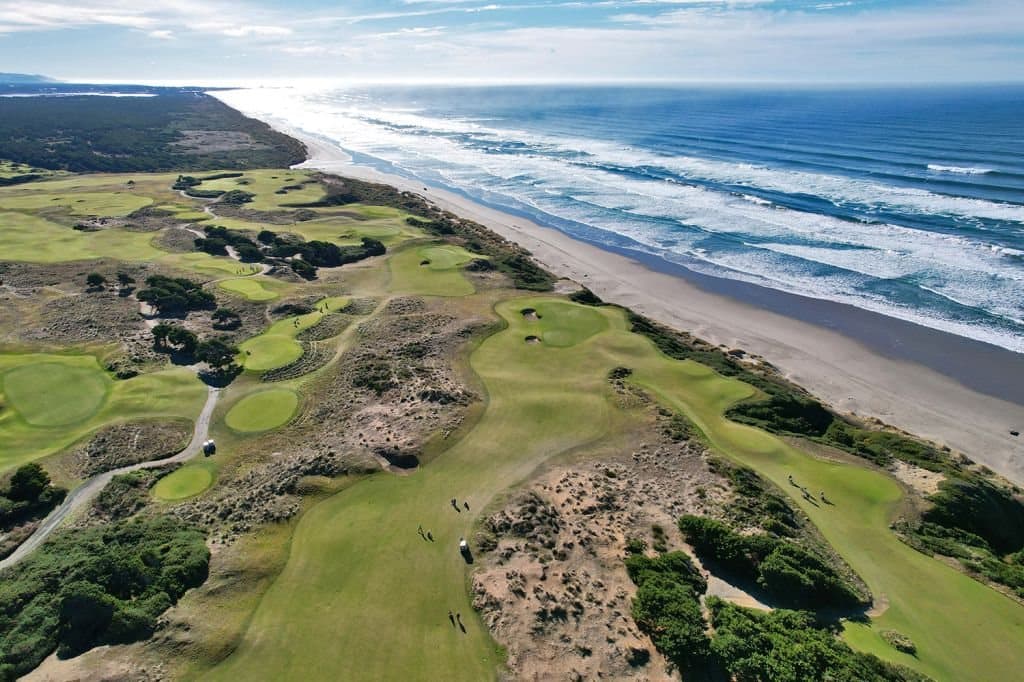
Bandon Dunes / Oregon
The purest golf trip in America — remote, walking-first, weather-exposed, and absolutely worth the trouble.
Southeast
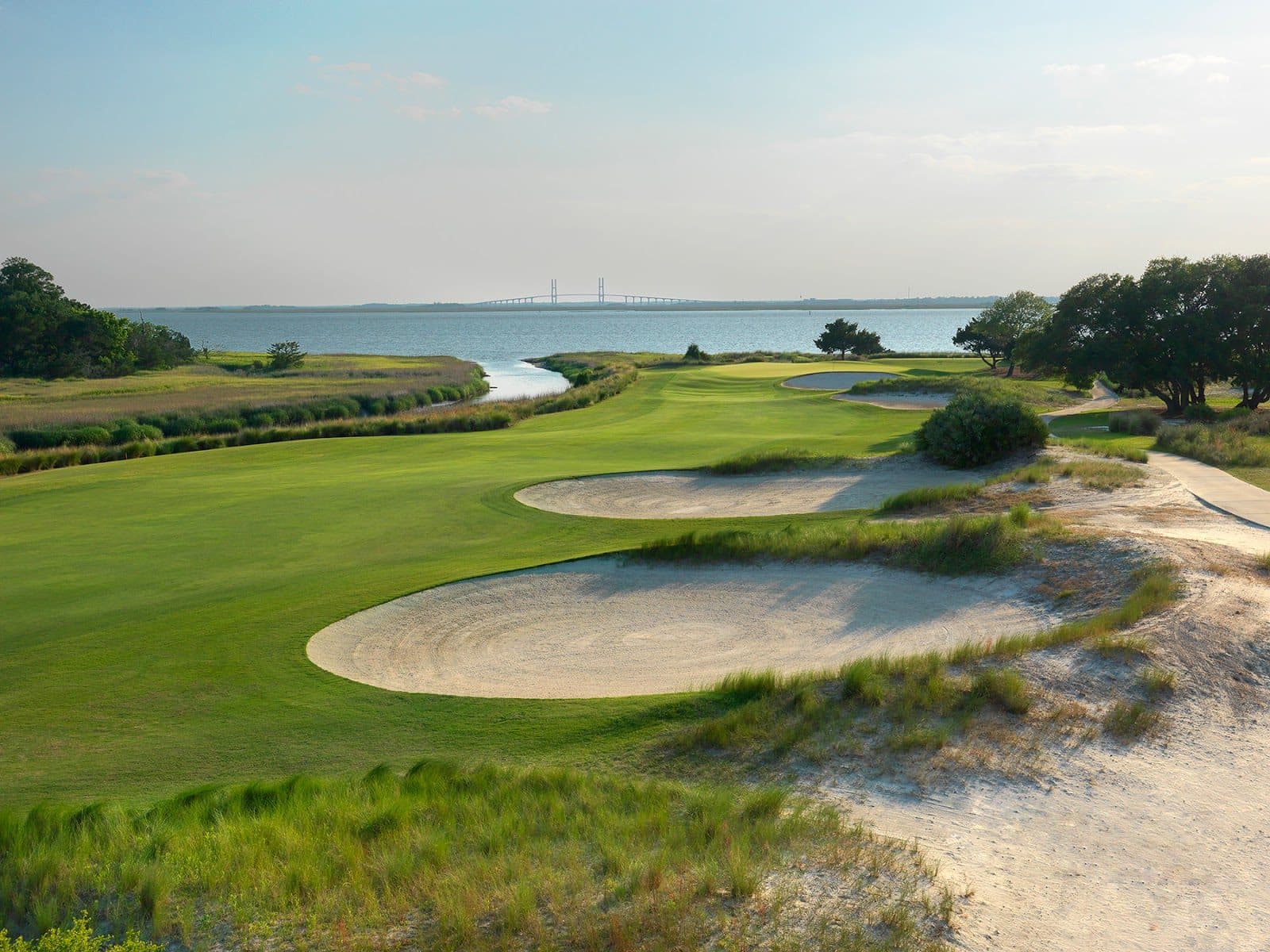
Sea Island / Georgia
The polished Southern luxury golf trip: three resort courses, serious service, very good golf, and just enough restraint to avoid becoming a sales convention with better shoes.
Southeast
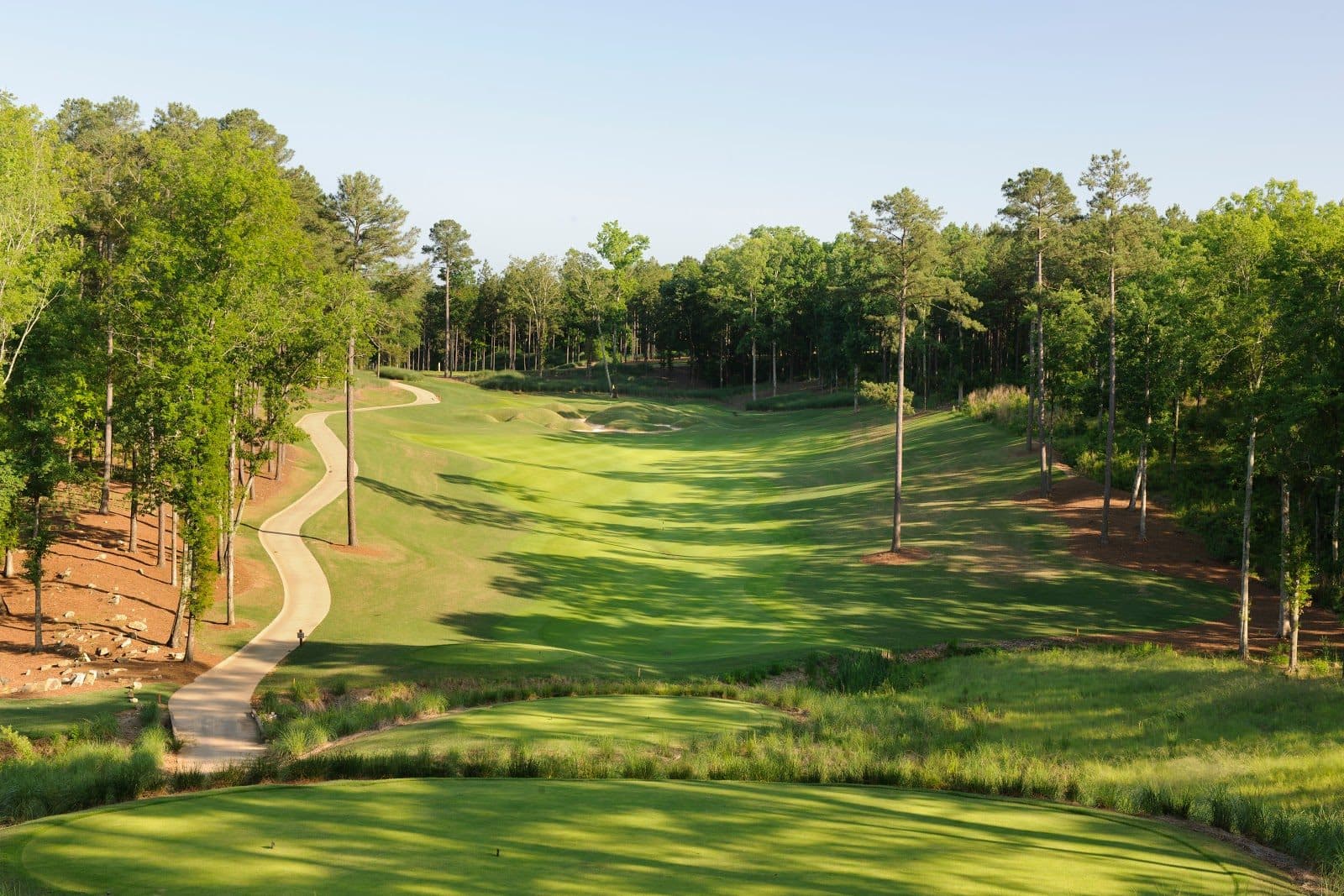
Lake Oconee / Georgia
A lake-house golf trip with real depth: convenient for the Southeast, polished enough for couples, and better on the course list than casual golfers realize.
Southwest
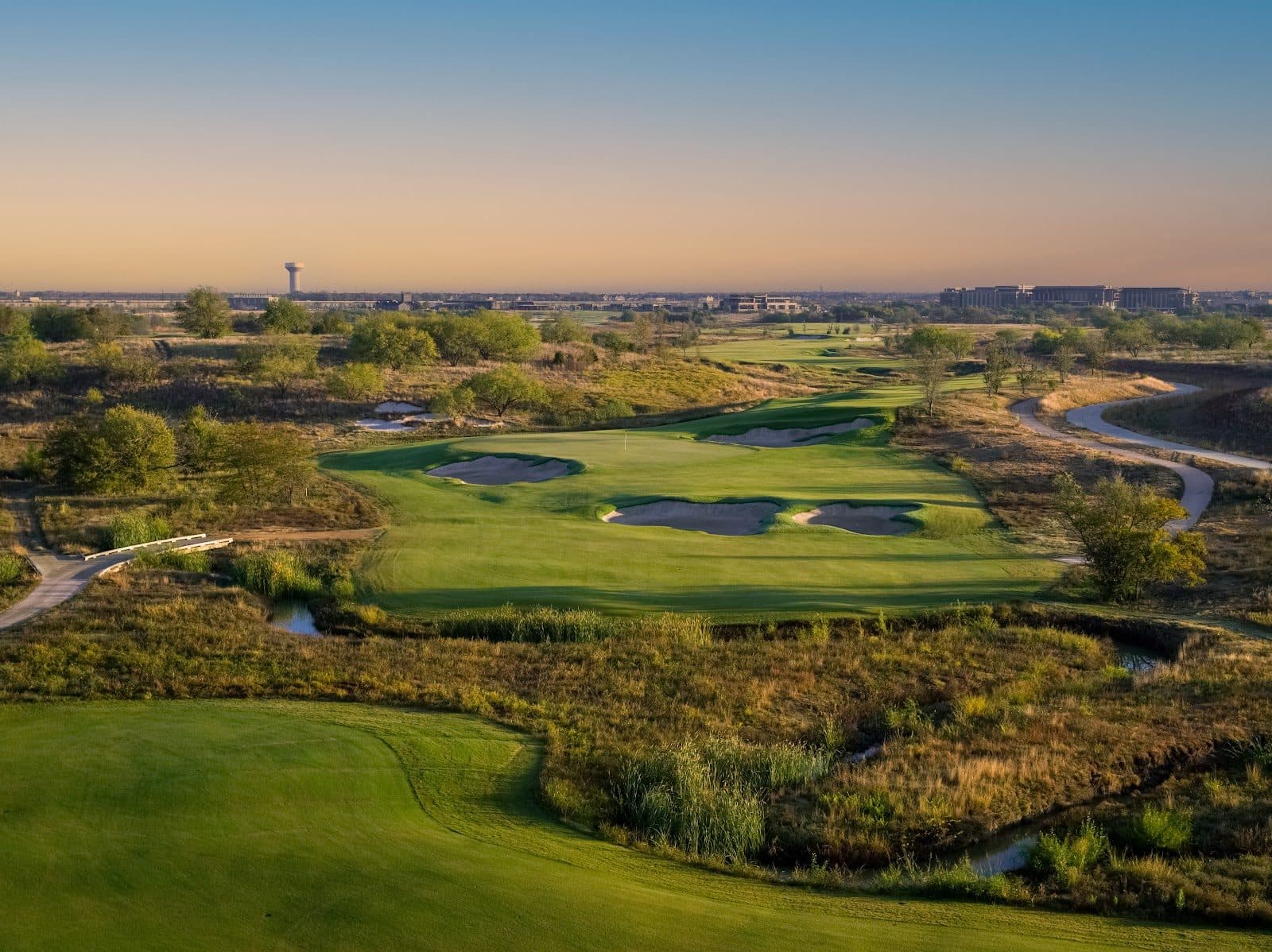
Frisco / Texas
A new-school golf campus built for groups: easy flights, two big courses, short-course energy, and enough Dallas-area support to keep non-golf friction low.
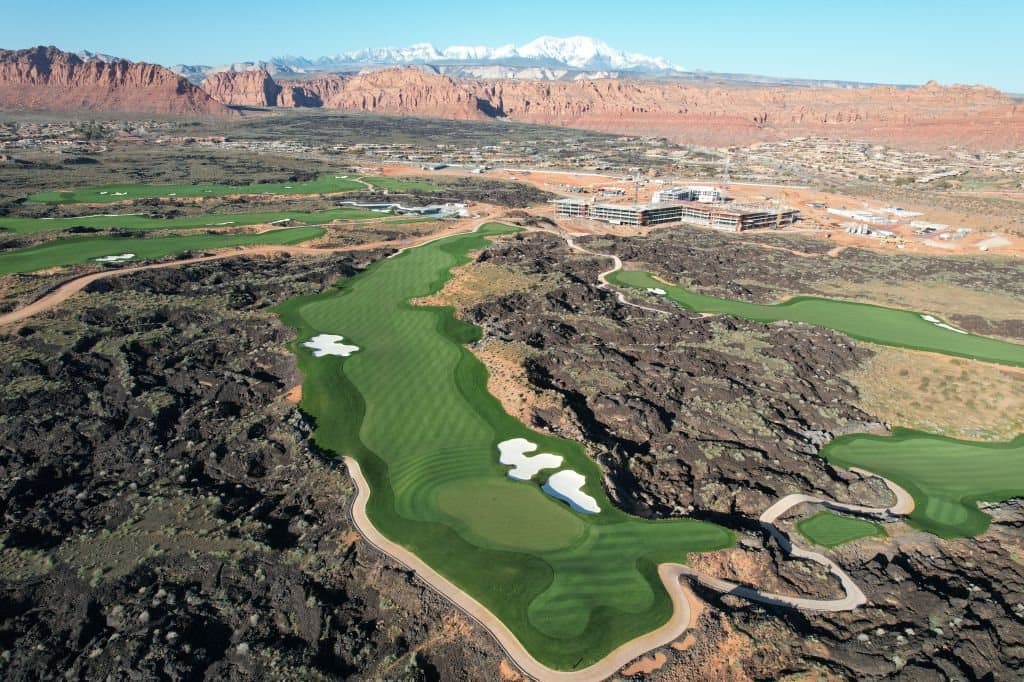
Mountain
St. George / Utah & Nevada
The red-rock desert golf trip with real teeth: Black Desert is the new headline, but Sand Hollow and Wolf Creek make the itinerary.
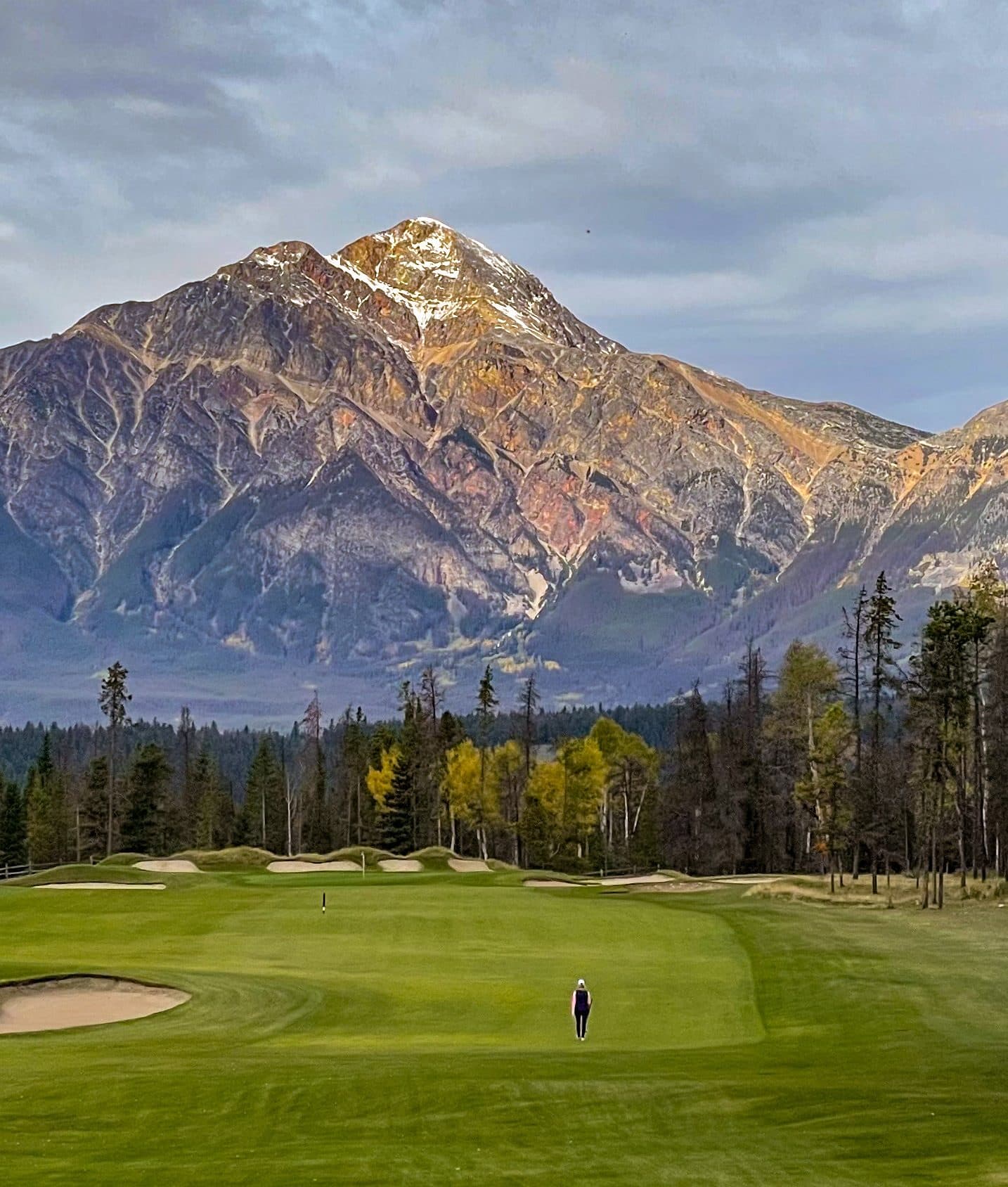
Canada - West
Banff & Jasper / Alberta CN
The mountain-scenery trip: Banff and Jasper are not volume plays; they are postcard golf with enough travel friction to make the payoff feel earned.
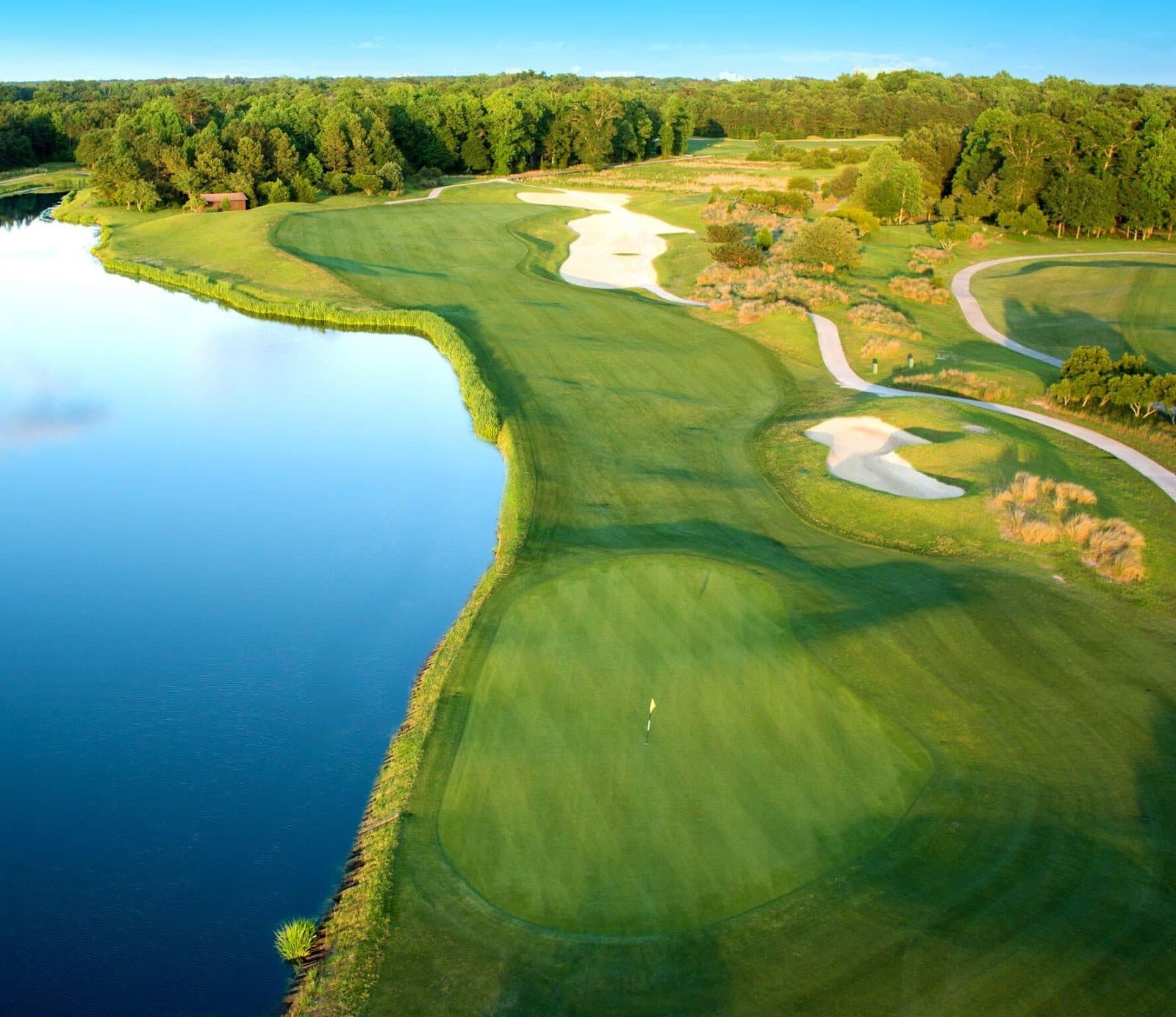
Southeast
Myrtle Beach / South Carolina
America's maximum-volume golf machine: huge choice, real value, some terrific courses, and enough mediocre filler to punish lazy planning.
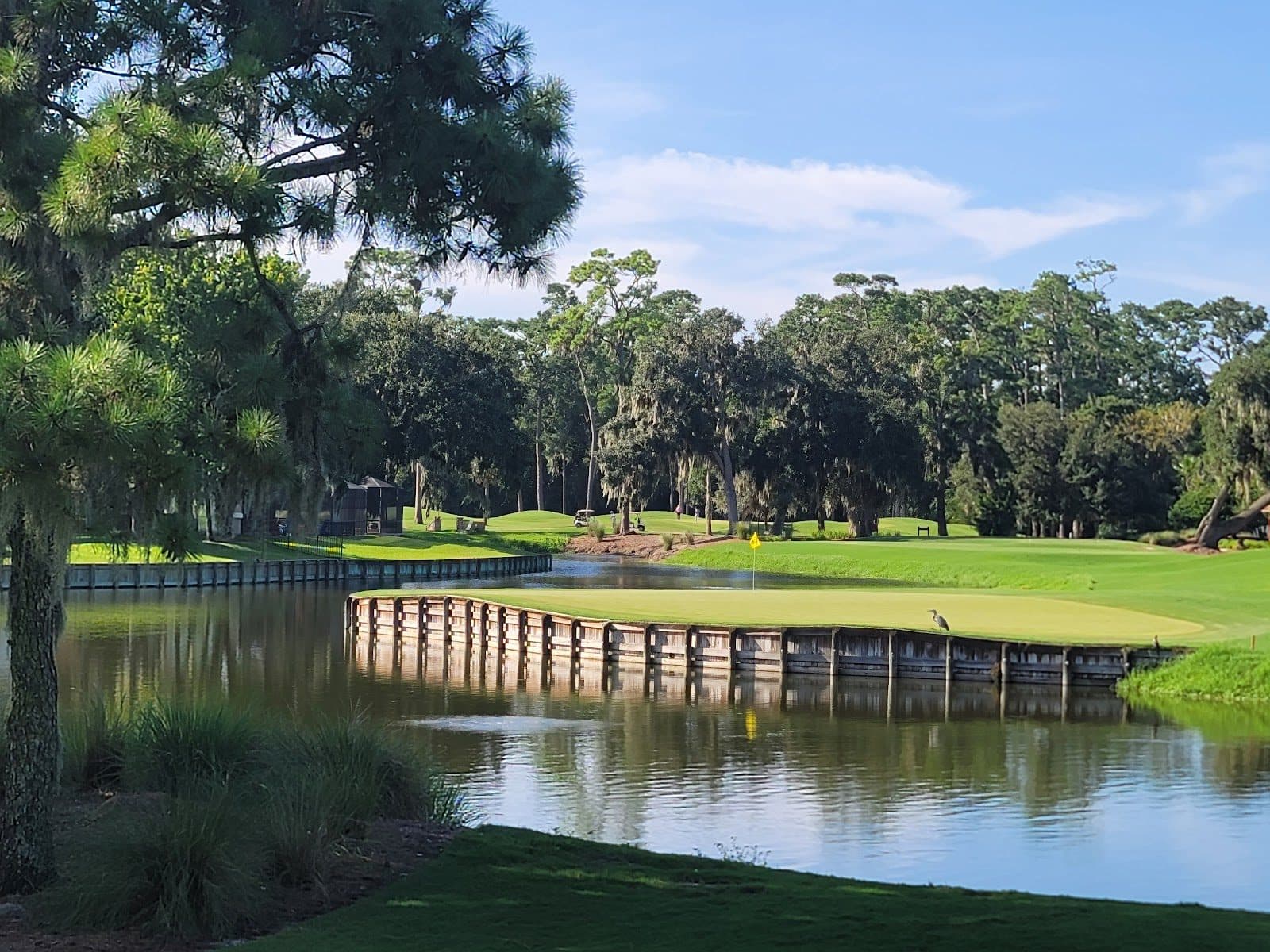
Southeast
TPC Sawgrass Ponte Vedra / Florida
The Stadium Course is the headline, but the right trip uses Ponte Vedra as a tight, premium Florida golf weekend instead of a one-photo pilgrimage.
Mid-Atlantic
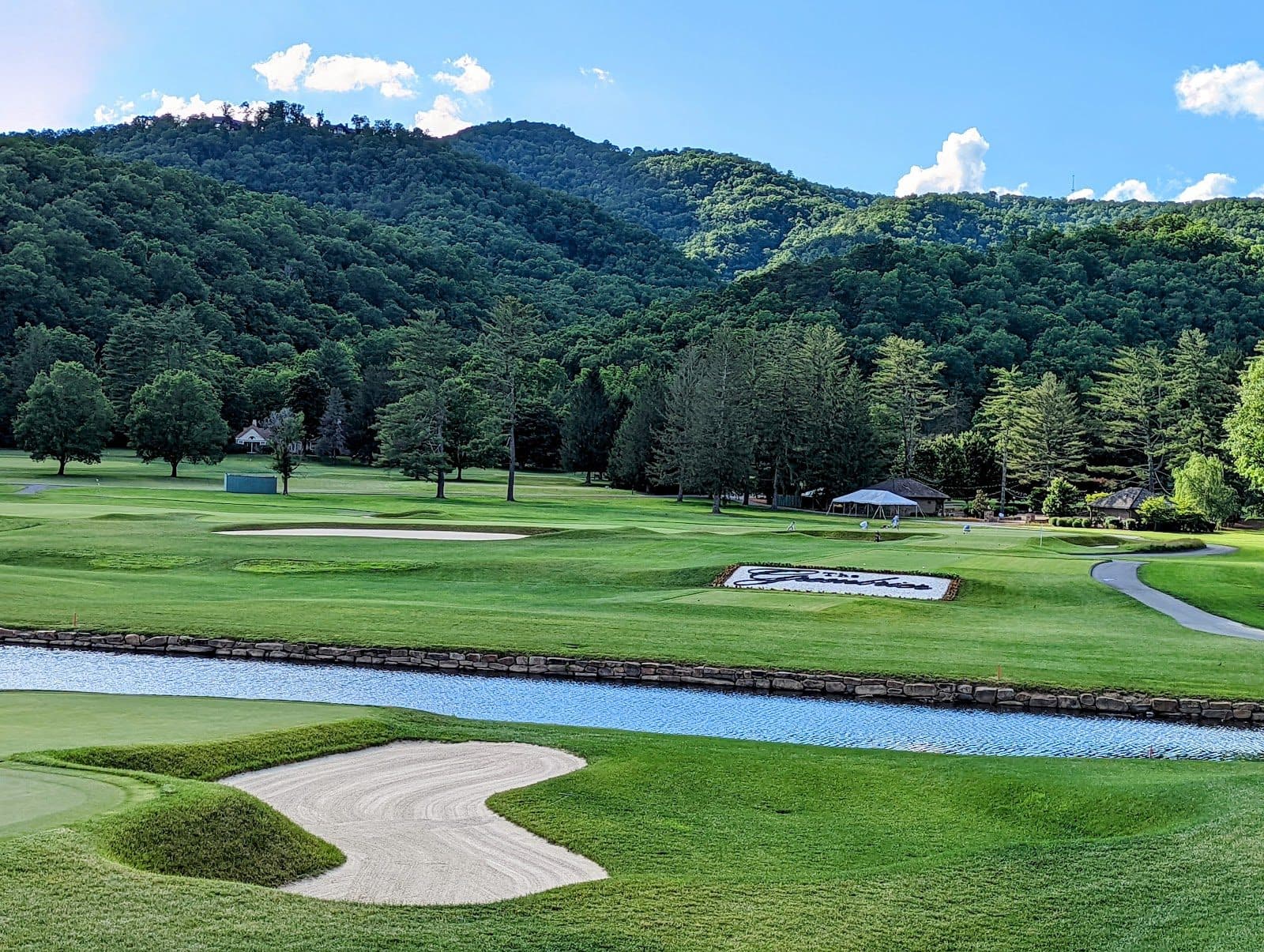
The Greenbrier & Virginia Highlands / West Virginia & Virginia
Classic resort golf with mountain air: historic, scenic, occasionally awkward logistically, and best for groups that like heritage more than nightlife.
Southeast
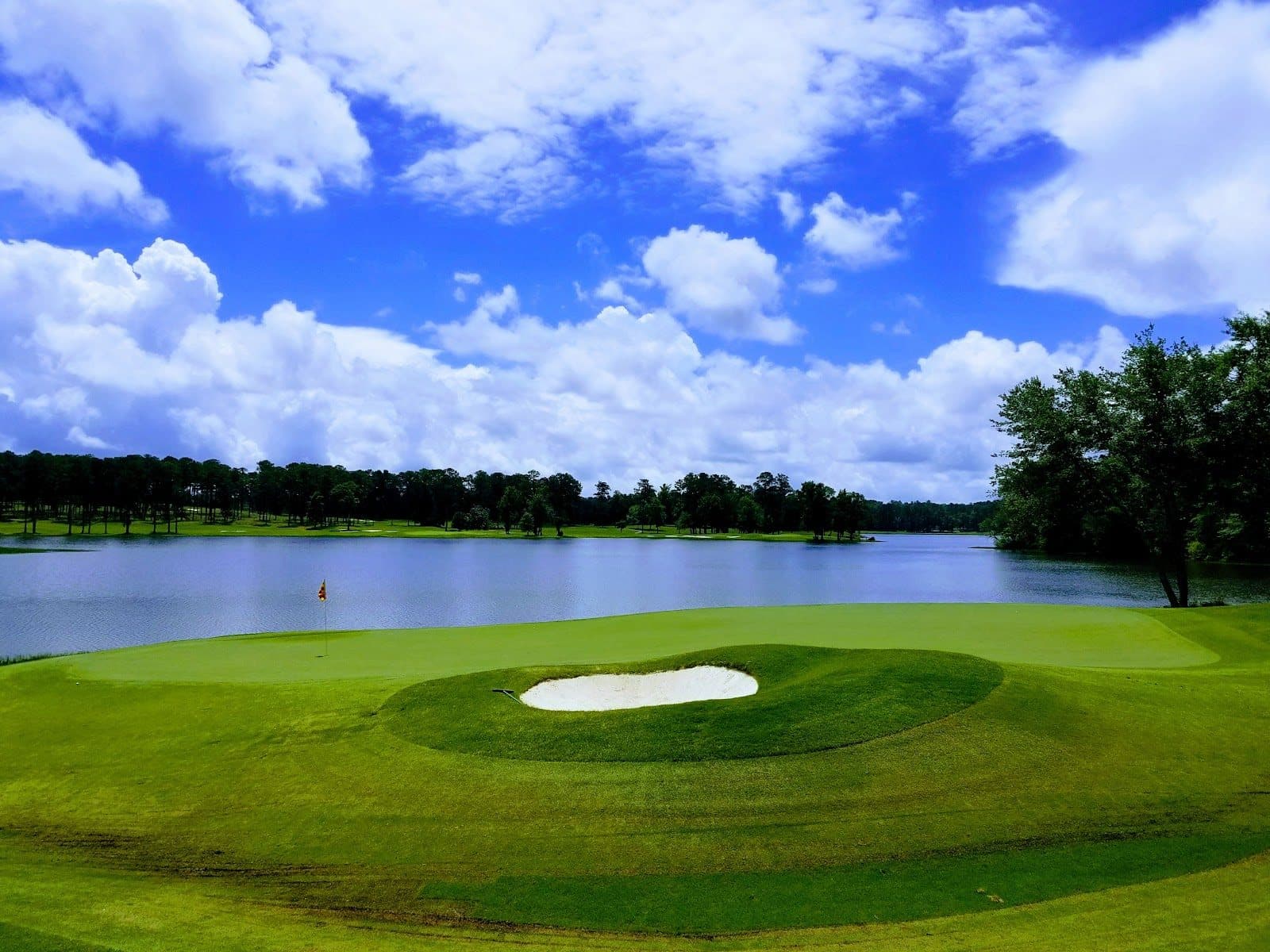
RTJ Trail / Alabama
The value-and-volume play: big courses, huge property scale, strong replay math, and very little patience for groups obsessed with boutique resort glamour.
Mountain
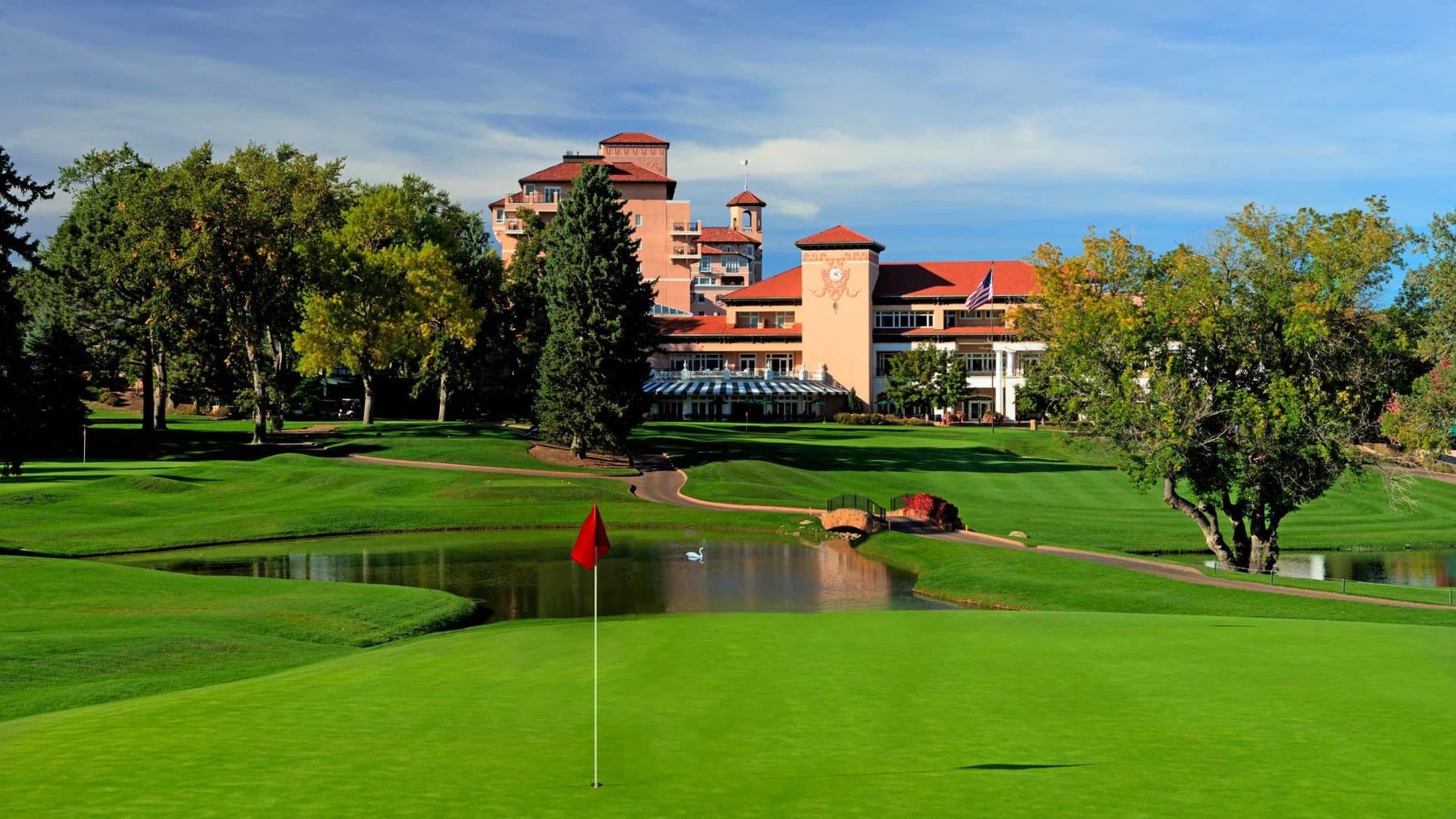
Colorado Springs / Colorado
A classic mountain-resort golf trip: polished, scenic, altitude-affected, and best when the group values the hotel as much as the scorecard.
Northeast
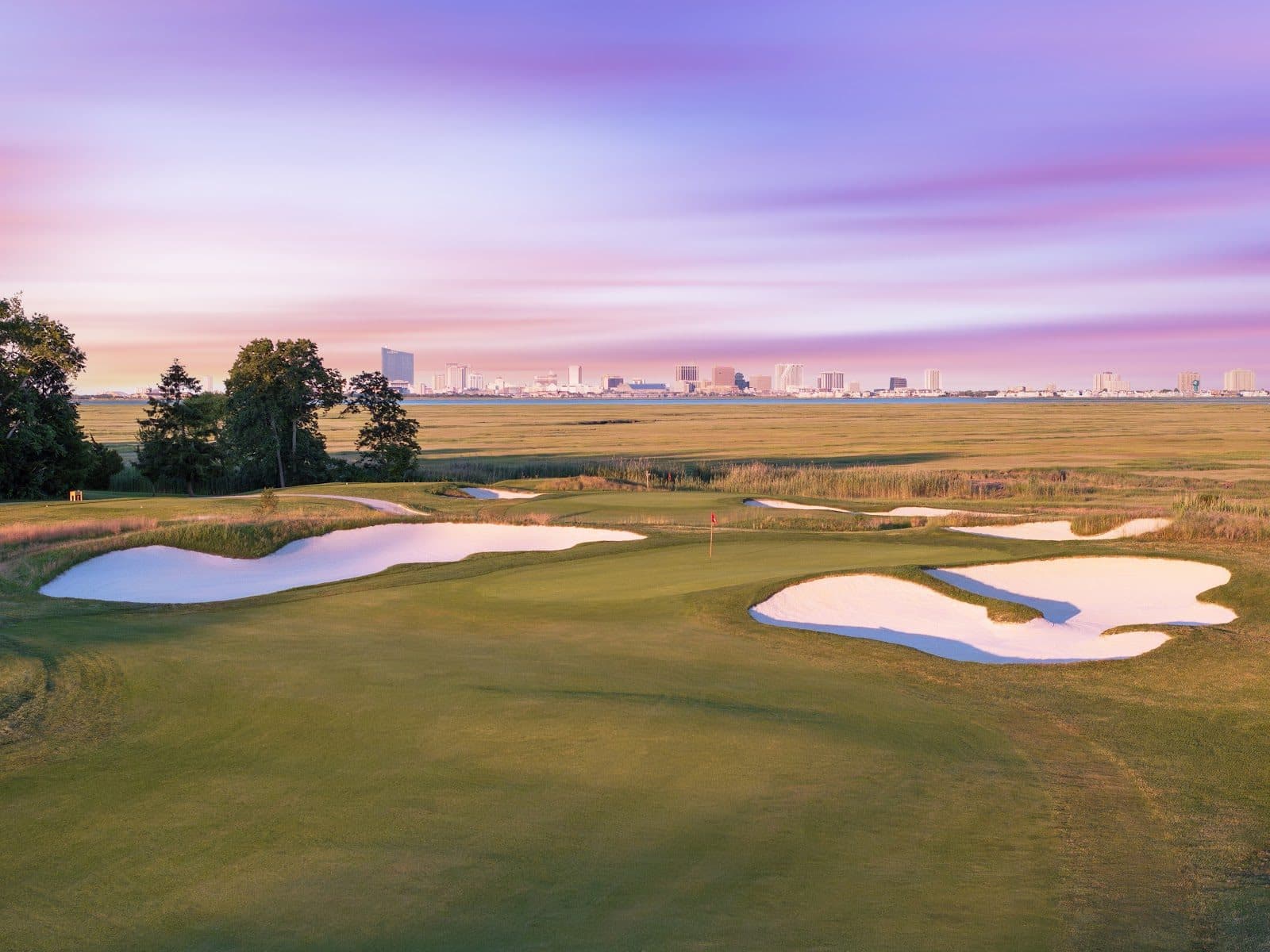
Atlantic City / New Jersey
A scrappy Northeast buddies trip: good public golf, casino energy, beach-town convenience, and enough rough edges to keep it honest.
Midwest
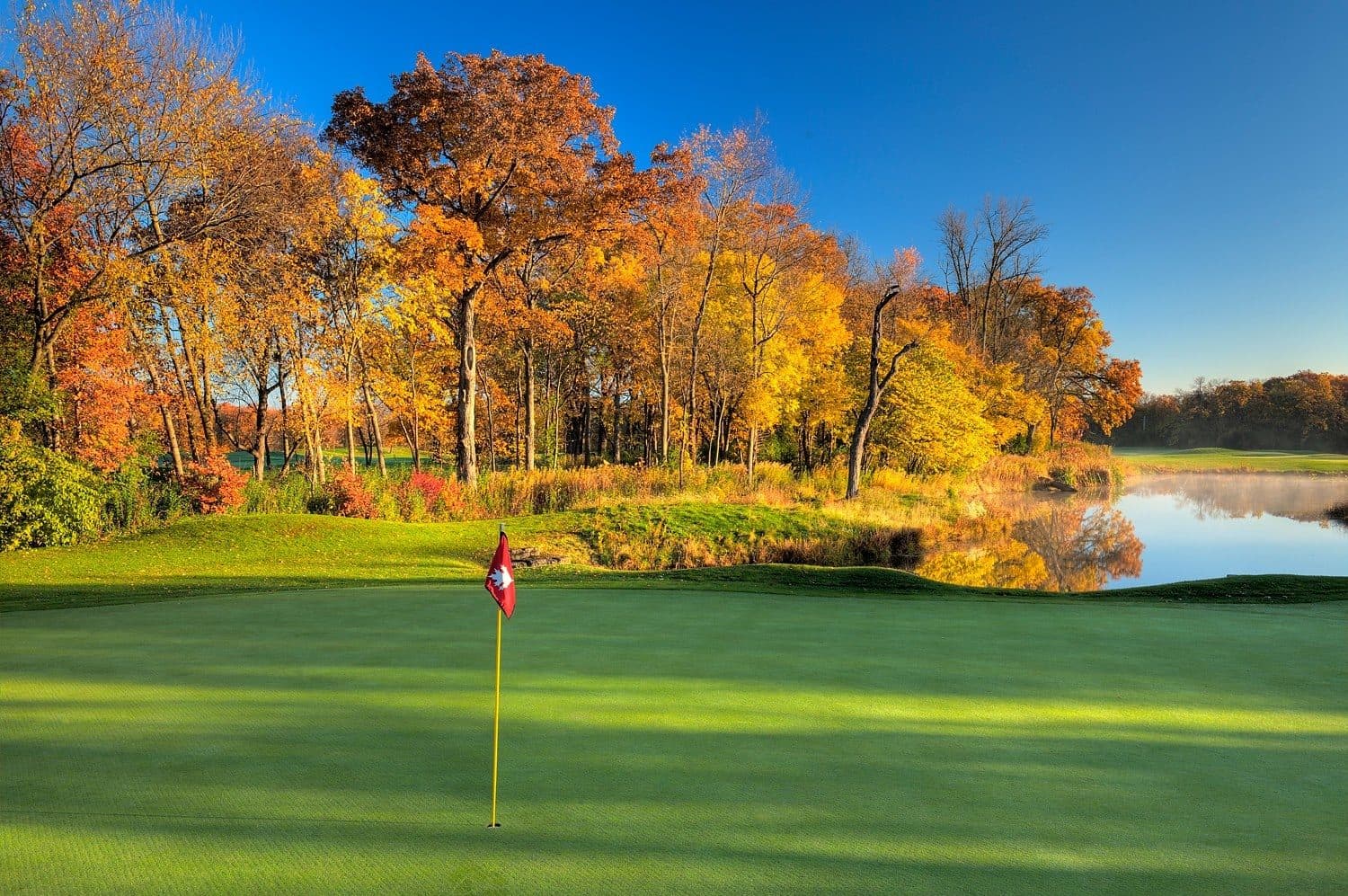
Chicago / Illinois
A city golf trip with real course depth: not resort-simple, but strong for groups that want golf by day and Chicago by night.
Midwest
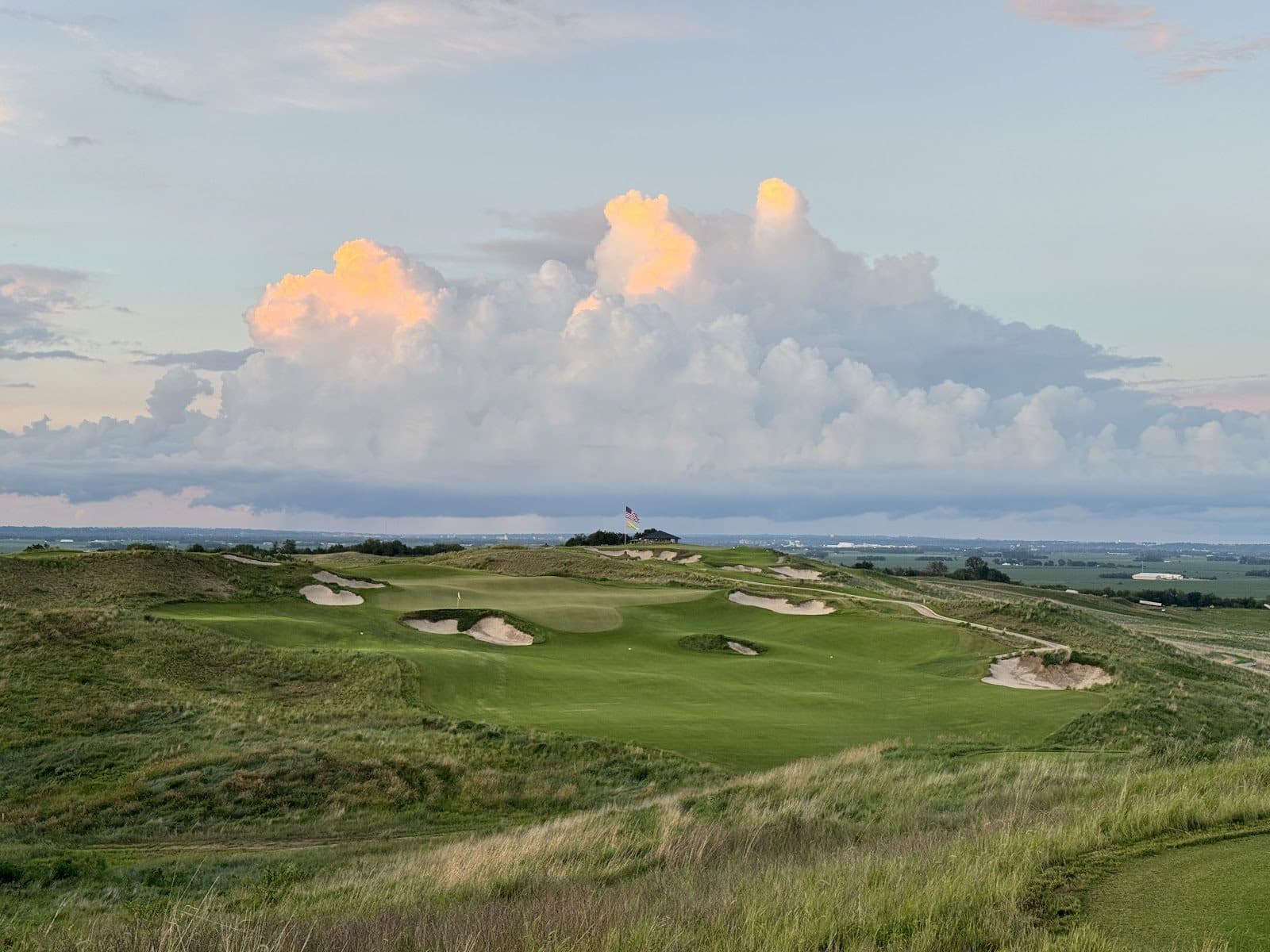
Nebraska Sandhills
The architecture sicko pilgrimage: remote, raw, brilliant golf in a landscape that does not care about your nightlife needs.
Midwest
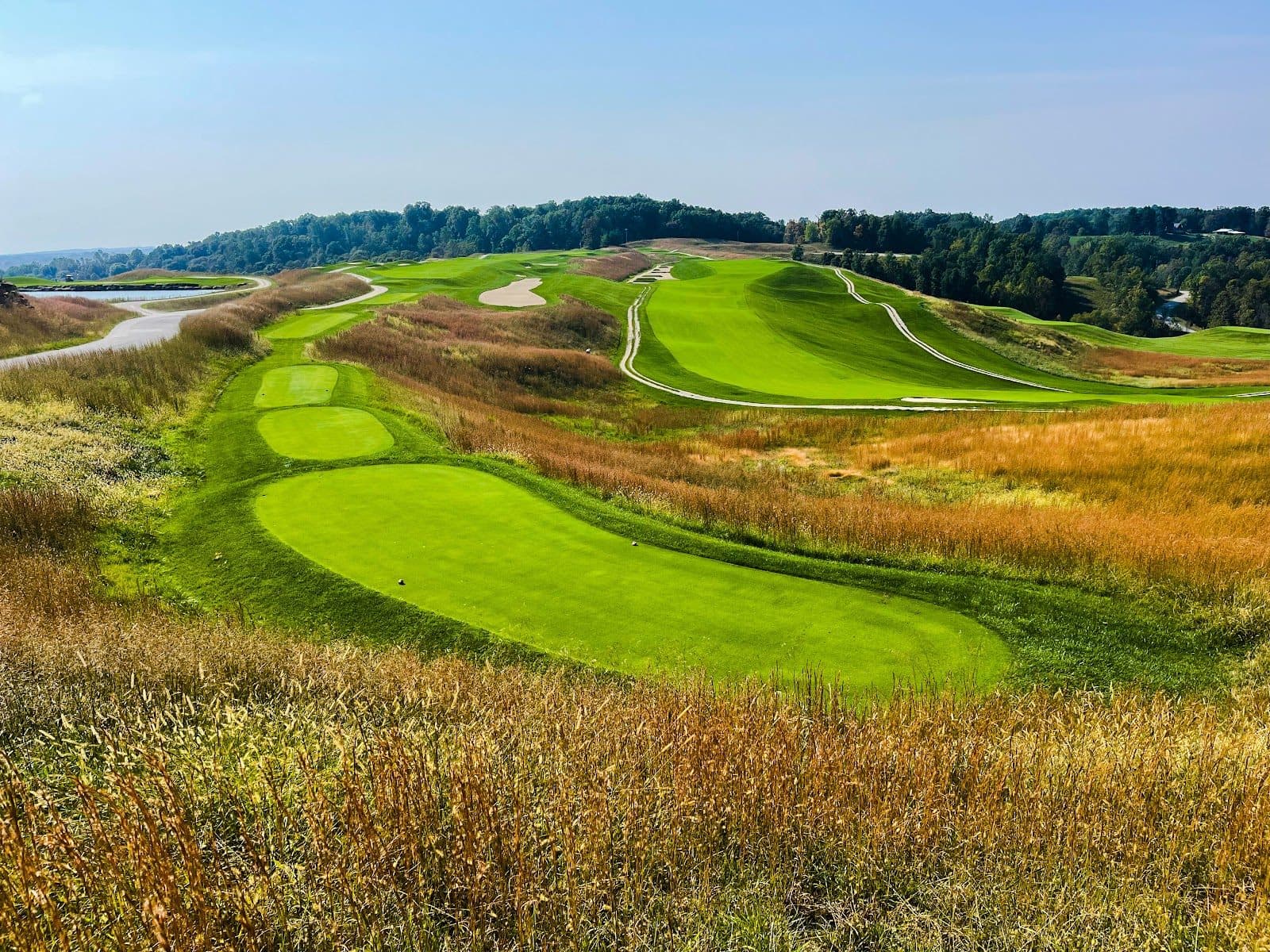
French Lick / Indiana
Two serious championship courses at one historic resort: Pete Dye brings the punishment, Donald Ross brings the soul.
Mountain
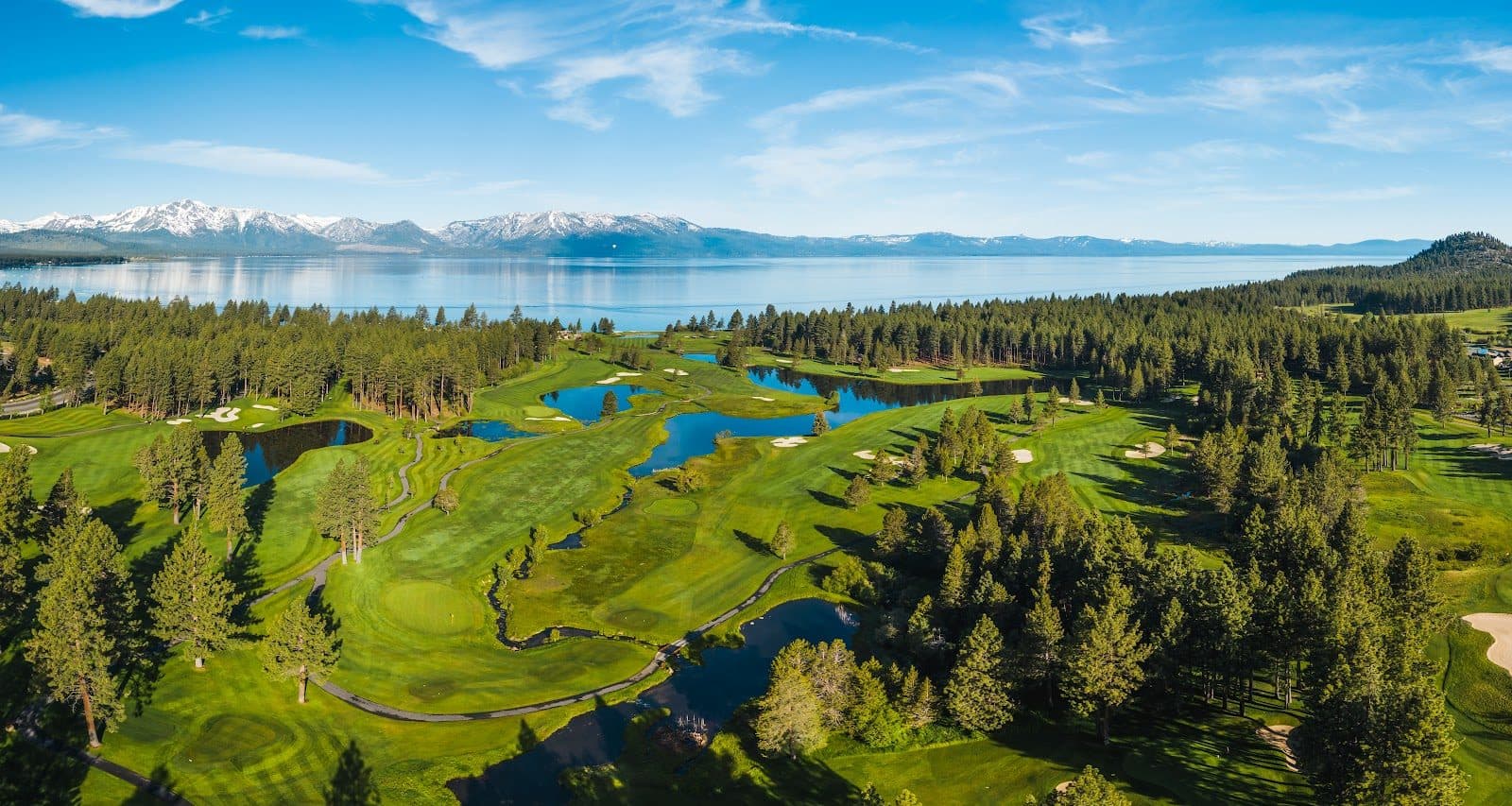
Lake Tahoe / Nevada & California
A summer mountain golf trip where Edgewood supplies the postcard and Truckee supplies the depth.