
Chicago / Illinois
Big-city golf with legitimate public anchors, elite food, easy flights, and one enemy that never loses: Chicago traffic
The take
Chicago is not a resort golf destination. It is a city golf trip with serious public-access courses spread across a giant metro area. The advantage is obvious: nonstop flights, great hotels, excellent restaurants, and enough golf to build a very good long weekend. The disadvantage is also obvious: the courses are not sitting politely next to each other.
Cog Hill No. 4 Dubsdread gives the trip its tournament-history anchor and Golf Digest Top 100 Public credibility. The Glen Club, Cantigny, Harborside, Mistwood, Highlands of Elgin, and Ravisloe give you real variety. But the best Chicago itinerary is not simply "rank the courses and drive everywhere." It is pick a base, pick a side of town, and stop pretending Friday afternoon traffic is a minor detail.
Read the full take
The best version is a three- or four-night trip with one downtown night, two or three serious rounds, and one food night that reminds everyone why they chose a city instead of a remote golf compound. If your group only cares about golf purity, Chicago is not the cleanest answer. If it wants golf plus restaurants plus flights that actually work, it is extremely useful.
Best version
Groups flying from multiple cities, Golfers who want strong public courses plus big-city food, Social trips that still care about the tee sheet, Midwest groups looking for a no-drama long weekend
Skip if
- Golf purists who want one walkable golf resort
- Groups that hate traffic and logistics
- Players chasing Top 100 trophy rounds only
- Trip captains unwilling to cluster courses by geography
Insider notes
- Groups flying from multiple cities
- Golfers who want strong public courses plus big-city food
- Social trips that still care about the tee sheet
- Midwest groups looking for a no-drama long weekend
The courses
9 core rounds. Scan first, then click into the course detail when you want the full read.
Full destination course detailsExpand this section for the deeper course reads, then click again to hide it.ExpandClose
Strong play
Cog Hill No. 4 Dubsdread
- Designer
- Dick Wilson / Joe Lee; Rees Jones renovation
- Year
- 1964
- Par
- 72
- Yardage
- 7,554 yds
- Difficulty
- High
- Green fees
- Premium public daily-fee rate; varies by date and time. Expect the Chicago public-golf splurge.
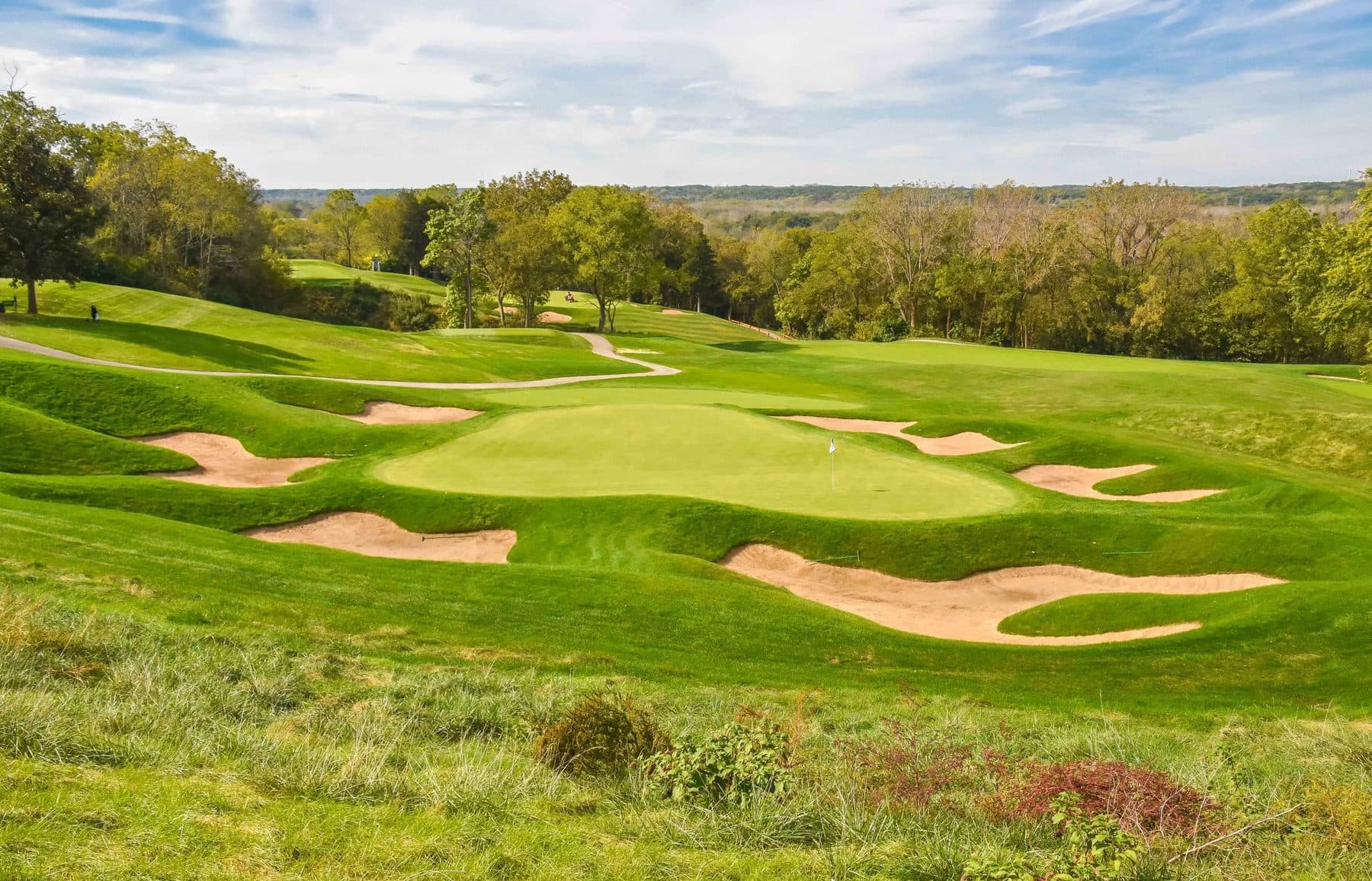
Dubsdread is the Chicago public-golf headline. It hosted Western Open and BMW Championship golf, has a real championship feel, and is the one course in the market most traveling groups already know. It is long, bunker-heavy, sometimes stern, and not always charming. That is fine. It is the anchor.
Strengths
- Tournament pedigree
- Strong test
- Recognizable name
- Easy 36-hole facility logistics.
Weaknesses
- Expensive for public golf
- Can feel punishing
- Not the prettiest course in the market.
Play it once. Do not schedule it as the hangover round or the second 18 after everyone got cute at lunch.
Signature holes: 2, 7, 13, 14, 18.
Strong play
Cog Hill No. 2 Ravines
- Designer
- Cog Hill original routing / later improvements
- Year
- 1929
- Par
- 72
- Yardage
- 6,268 yds
- Difficulty
- Moderate
- Green fees
- Lower than Dubsdread; public daily-fee rates vary by date/time.
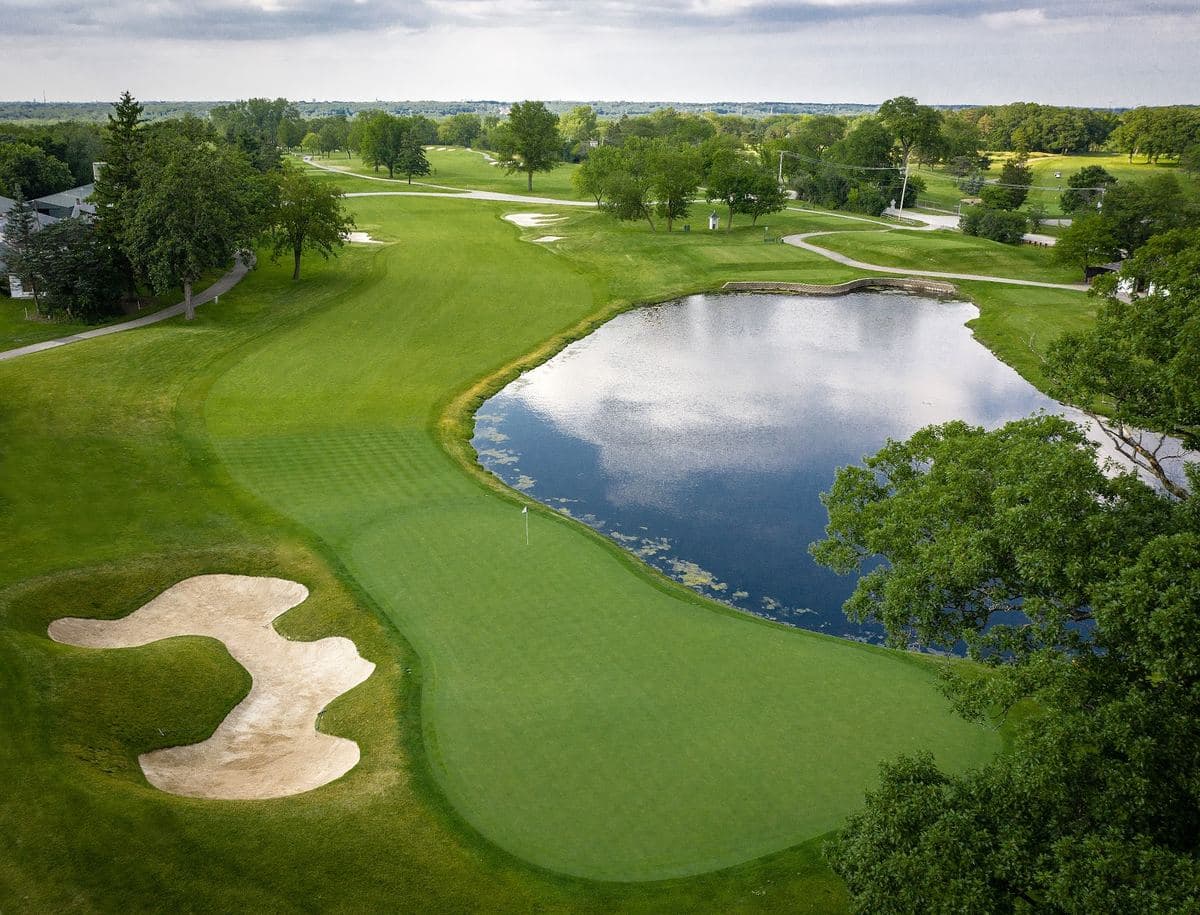
Ravines is the smart Cog Hill companion. It is shorter, more playable, and far less exhausting than Dubsdread. That makes it ideal for arrival day, departure day, or the second half of a Cog Hill 36. If the group wants one facility day without moving bags and cars, this is how you do it.
Strengths
- Convenient with Dubsdread
- Playable
- Good value
- Better for mixed groups.
Weaknesses
- Not a destination anchor
- Less conditioning/pedigree than No. 4
- Limited wow factor.
Use it to make Cog Hill logistics work. Sell Dubsdread, enjoy Ravines.
Signature holes: 3, 8, 12, 17.
Strong play
Harborside International Port
- Designer
- Dick Nugent
- Year
- 1995
- Par
- 72
- Yardage
- 7,164 yds
- Difficulty
- Moderate-high
- Green fees
- Public dynamic rates; verify current green fees direct.
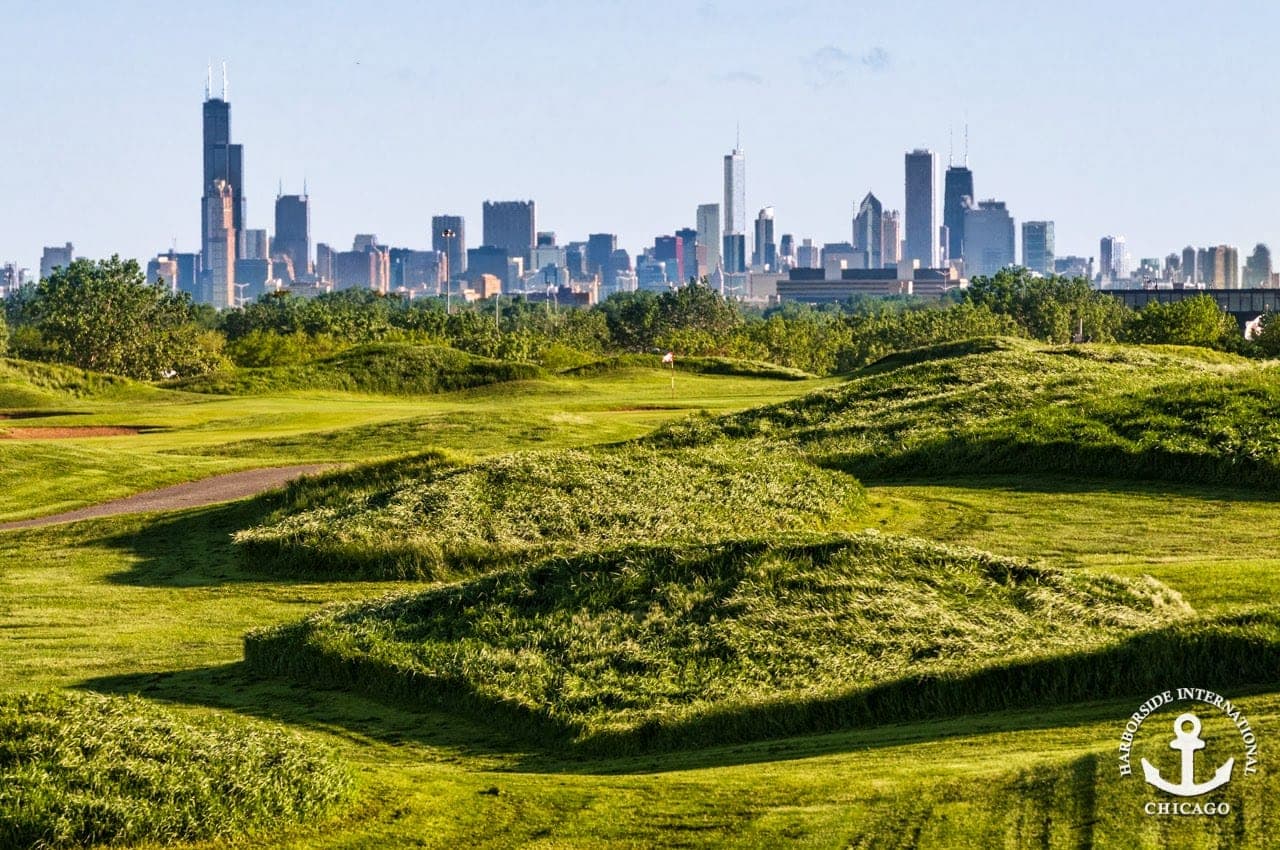
Harborside is the most convenient "city-adjacent" golf play. The Port Course has scale, wind, skyline-adjacent energy, and enough links-ish texture to feel different from the suburban parkland rounds. The caution is current conditioning: call before booking and ask directly about greens and cart-path restrictions. When Harborside is right, it is an excellent downtown-base answer. When it is not, the skyline view cannot putt for you.
Strengths
- Close to downtown
- Good for city-based trips
- 36-hole facility
- Wind and scale create personality.
Weaknesses
- Industrial surroundings are not for everyone
- Conditioning can vary by season
- Not true links golf.
If you are staying downtown, Harborside should be in the conversation.
Signature holes: 5, 9, 15, 18.
Strong play
Harborside International Starboard
- Designer
- Dick Nugent
- Year
- 1995
- Par
- 72
- Yardage
- 7,166 yds
- Difficulty
- Moderate-high
- Green fees
- Public dynamic rates; verify current green fees direct.
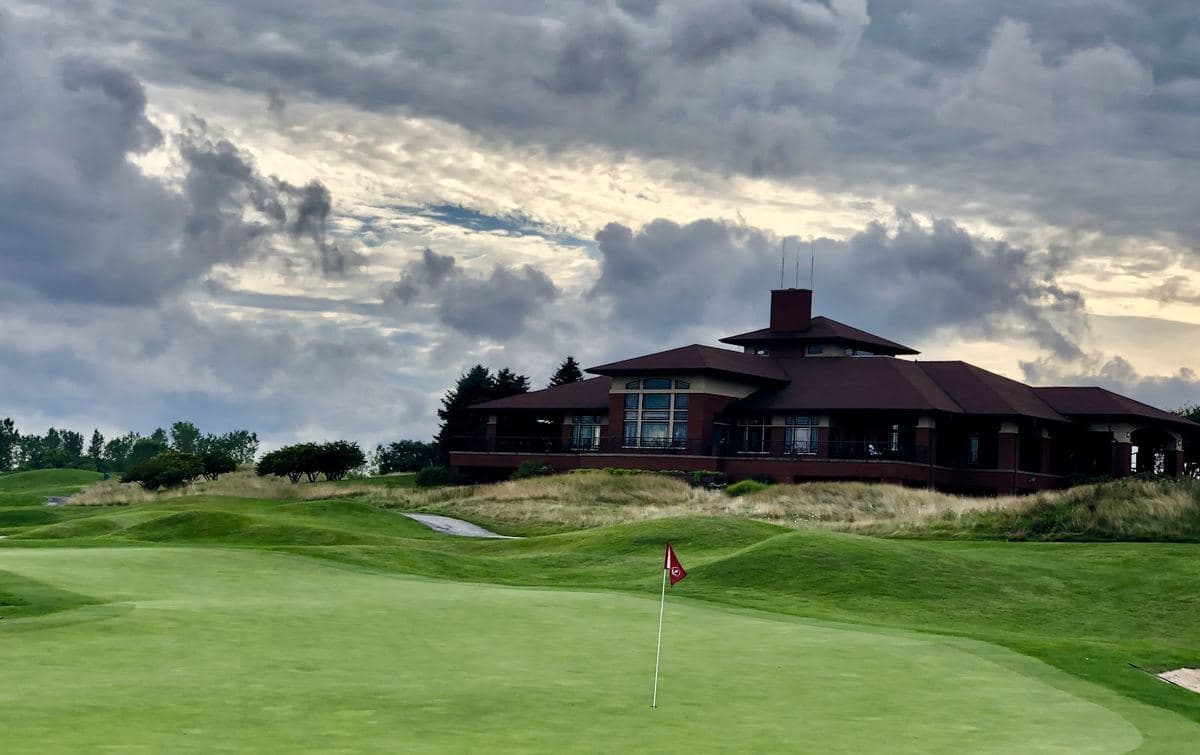
Starboard is the natural Harborside pairing. Most groups do not need both unless they want 36 without changing sites, but that convenience has real value in Chicago. The smarter move is usually Port first, Starboard only if the facility is in good shape and the group wants one easy logistics day.
Strengths
- Easy 36-hole day
- Close to downtown
- Different angles from Port
- Good group logistics.
Weaknesses
- Similar overall feel to Port
- Not essential on a short itinerary
- Wind can make the day grind.
Play it with Port if the group wants a clean city-based 36.
Signature holes: 3, 7, 14, 18.
Strong play
The Glen Club
- Designer
- Tom Fazio
- Year
- 2001
- Par
- 72
- Yardage
- 7,149 yds
- Difficulty
- Moderate-high
- Green fees
- Premium public rate; lodging/golf packages may be available.
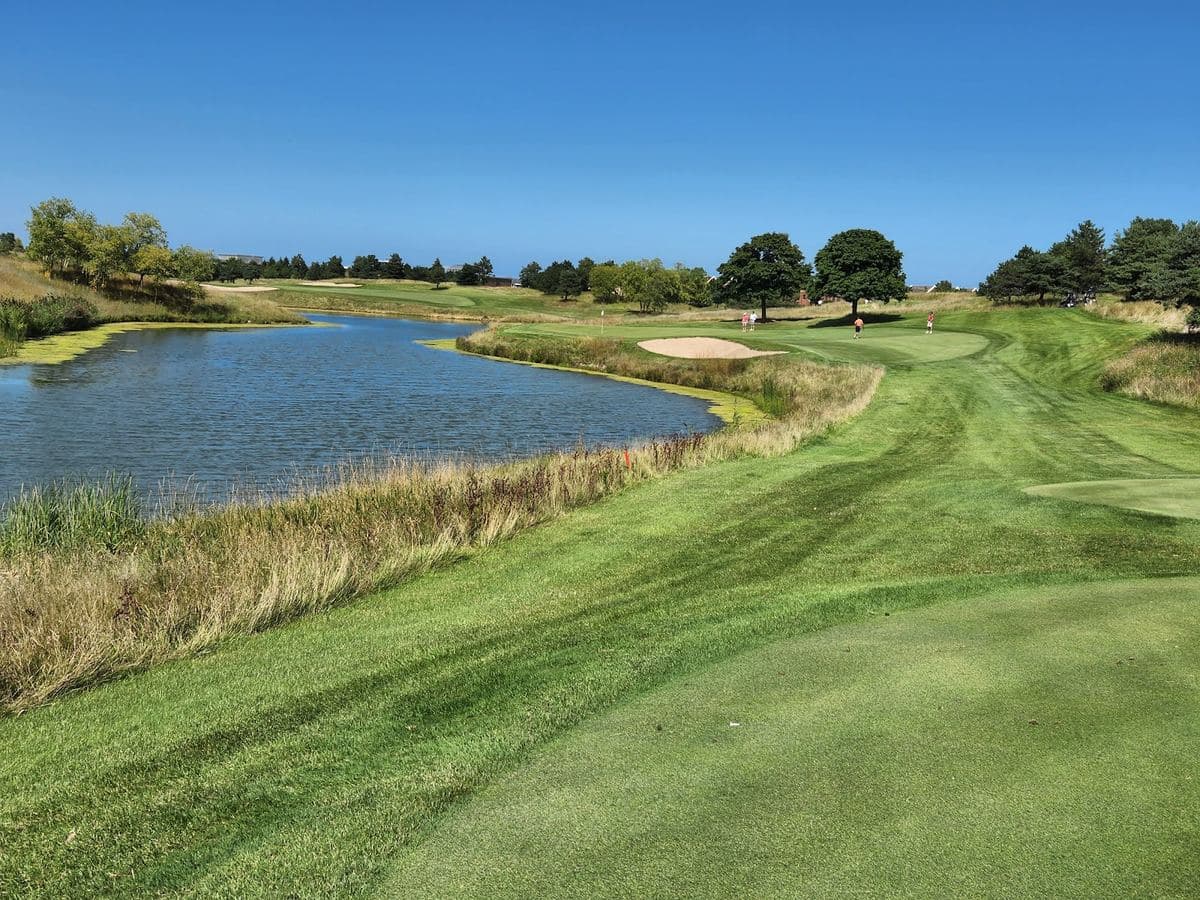
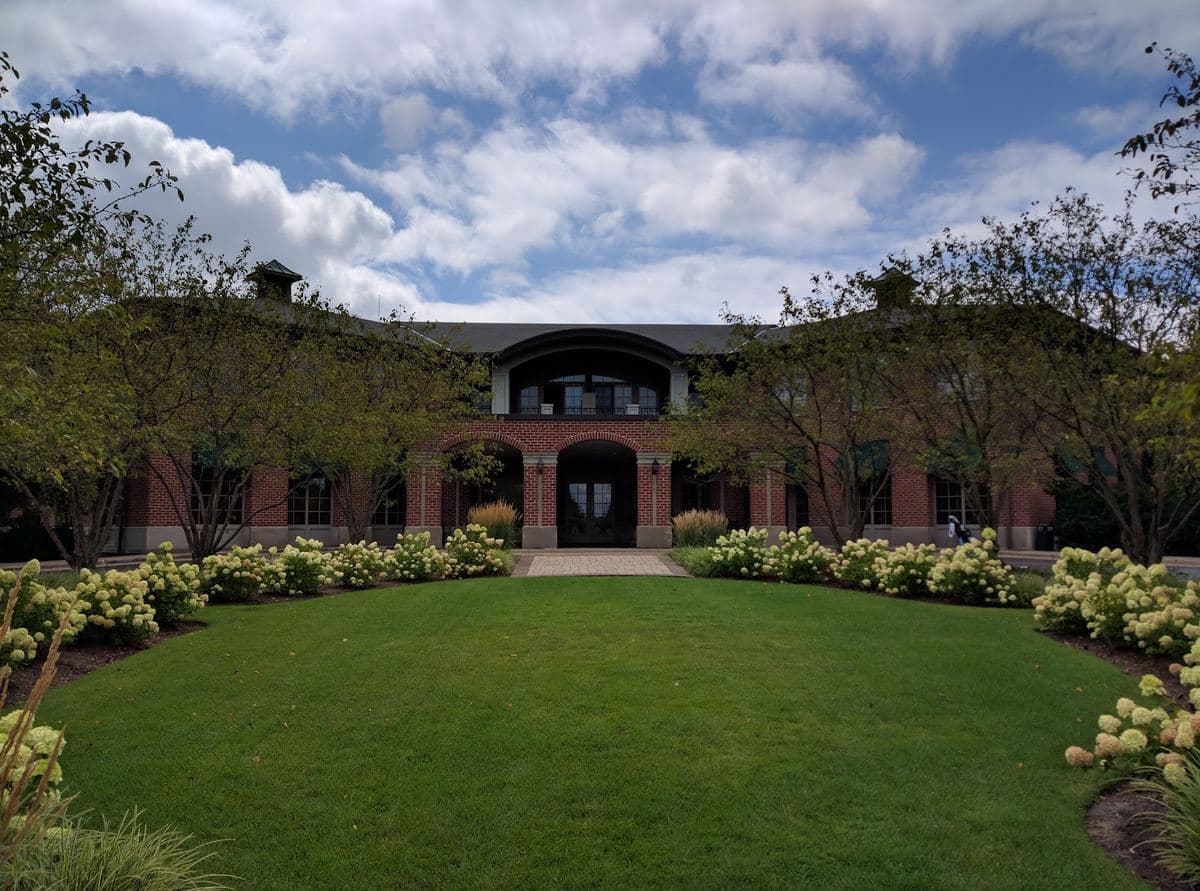
The Glen Club is the polished North Shore/Fazio play, built on the former Glenview Naval Air Station with enough moved earth to avoid flat-suburb boredom. It has a more upscale feel than most Chicago public golf and works especially well if the group wants to stay on site or avoid downtown chaos.
Strengths
- Strong conditioning
- Lodging on site
- Fazio shaping
- Good corporate/group fit.
Weaknesses
- Premium pricing
- Less gritty personality
- Location can be awkward if the rest of the itinerary is southwest.
Excellent if the trip is built north. Annoying if you are forcing it from the wrong base.
Signature holes: 4, 7, 13, 18.
Strong play
Cantigny Golf
- Designer
- Roger Packard
- Year
- 1989
- Par
- 72 by 18-hole combination
- Yardage
- About 6,900-7,000 yds by rotation
- Difficulty
- Moderate
- Green fees
- Public daily-fee rates vary by season and residency/time.
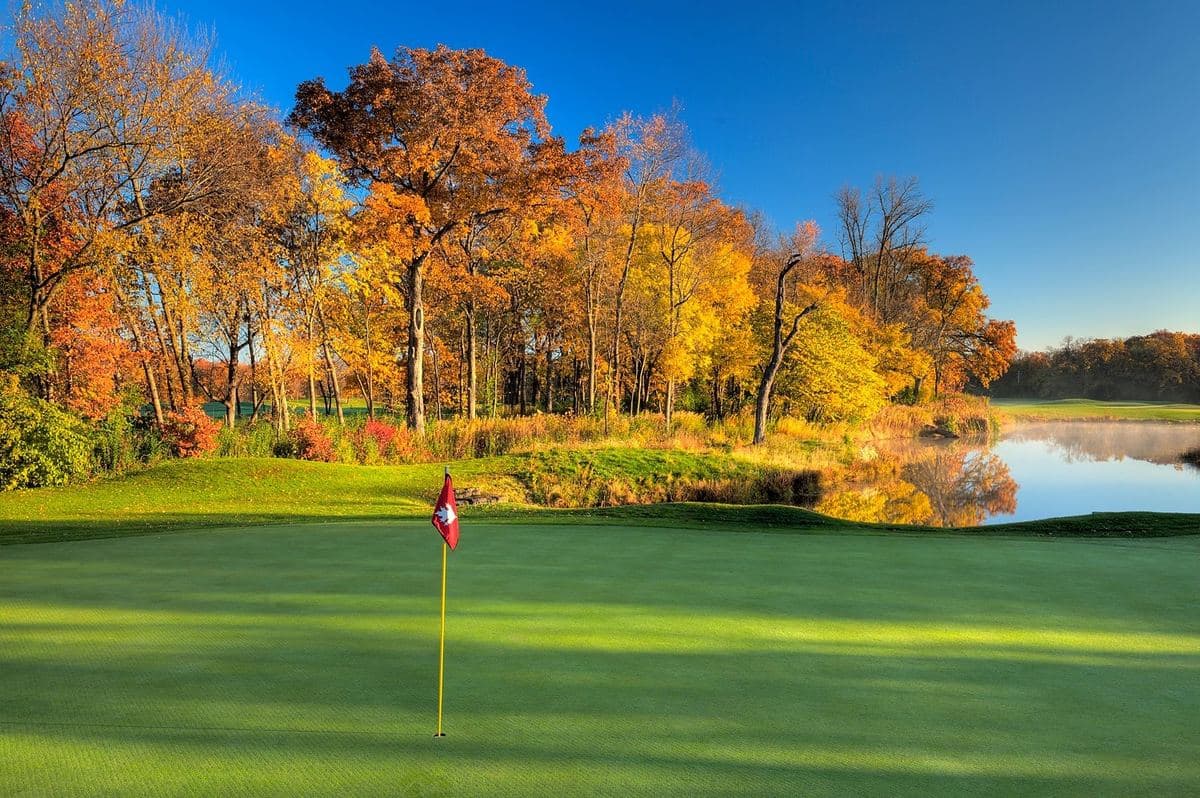
Cantigny is one of the best group-operation facilities in the market: 27 holes, good conditioning, good practice, and enough structure to keep a buddies trip from becoming a spreadsheet disaster. It is not the sexiest name on the board, which is exactly why smart trip captains like it.
Strengths
- 27-hole flexibility
- Strong conditioning
- Good group fit
- Reliable operation.
Weaknesses
- Less famous than Dubsdread
- Not a bucket-list course
- West-suburban routing required.
One of the safest Chicago golf choices. Not flashy, but smart.
Signature holes: Depends on rotation; Woodside/Lakeside is usually the strongest first look.
Strong play
Mistwood Golf Club
- Designer
- Ray Hearn
- Year
- 1998
- Par
- 72
- Yardage
- 7,005 yds
- Difficulty
- Moderate-high
- Green fees
- Public daily-fee rates vary by season and time.
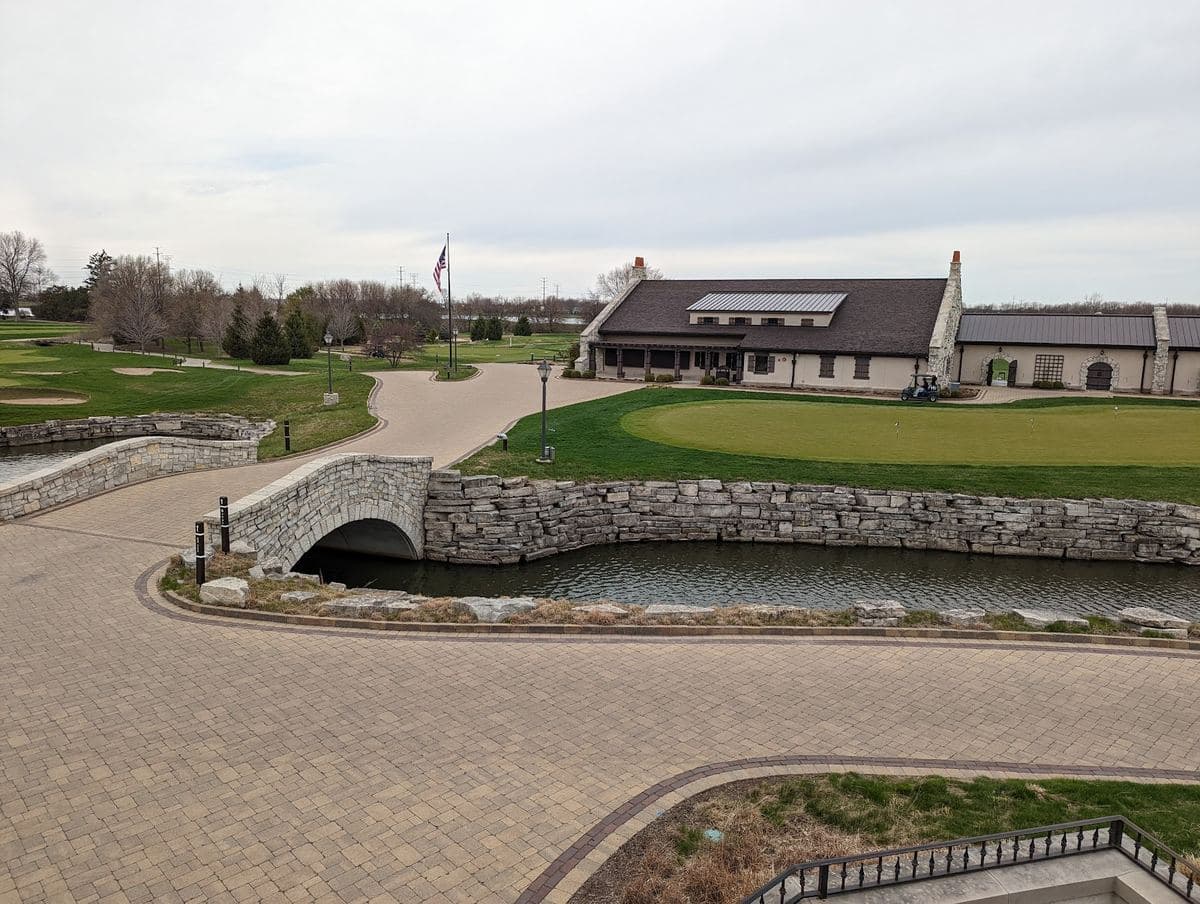
Mistwood is a better golf course than many out-of-towners realize. The renovation sharpened the place, the facility is strong, and the Scottish-ish presentation gives it an identity beyond "another suburb course."
Strengths
- Good architecture
- Strong clubhouse/practice setup
- Good conditioning
- Close enough to Cog Hill routing.
Weaknesses
- Not nationally famous
- Can get windy
- Less convenient from downtown than the map makes it look.
Underrated Chicago public play. Use it with Cog Hill or southwest routing.
Signature holes: 3, 7, 14, 18.
Strong play
Highlands of Elgin
- Designer
- Keith Foster
- Year
- 2009
- Par
- 72
- Yardage
- 7,000 yds
- Difficulty
- Moderate-high
- Green fees
- Public/resident and non-resident rates vary by season and time.
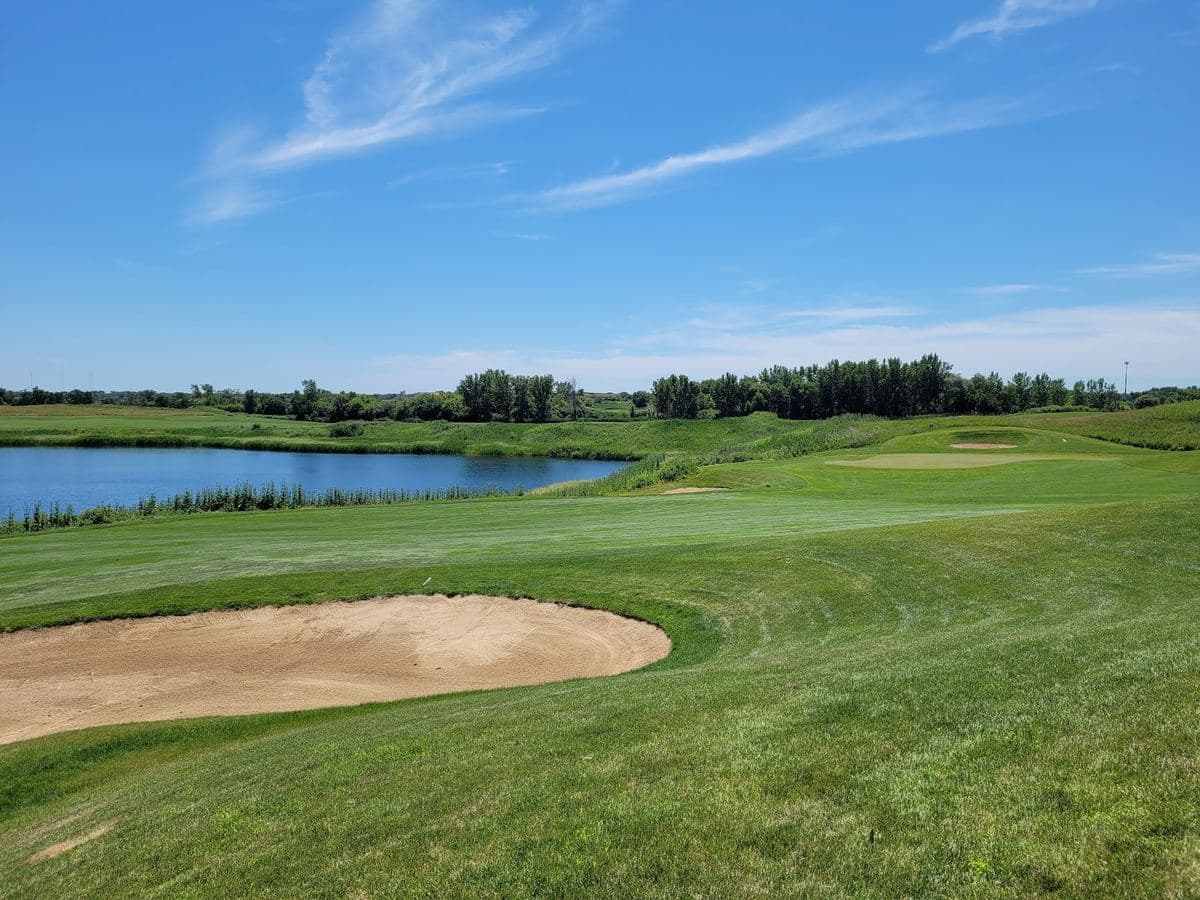
Highlands of Elgin is the value-insider pick. It has big land movement, better visuals than expected, and enough quality to justify the drive if the itinerary is northwest/west.
Strengths
- Strong value
- Dramatic terrain
- Good public access
- Memorable for the price.
Weaknesses
- Far from many bases
- Less premium service
- Not ideal for a tight itinerary.
Great if routing fits. Do not cross the entire city for it on a short trip.
Signature holes: 4, 8, 14, 18.
Strong play
Ravisloe Country Club
- Designer
- Donald Ross renovation influence
- Year
- 1901
- Par
- 70
- Yardage
- 6,321 yds
- Difficulty
- Moderate
- Green fees
- Public daily-fee rates vary by date and time.
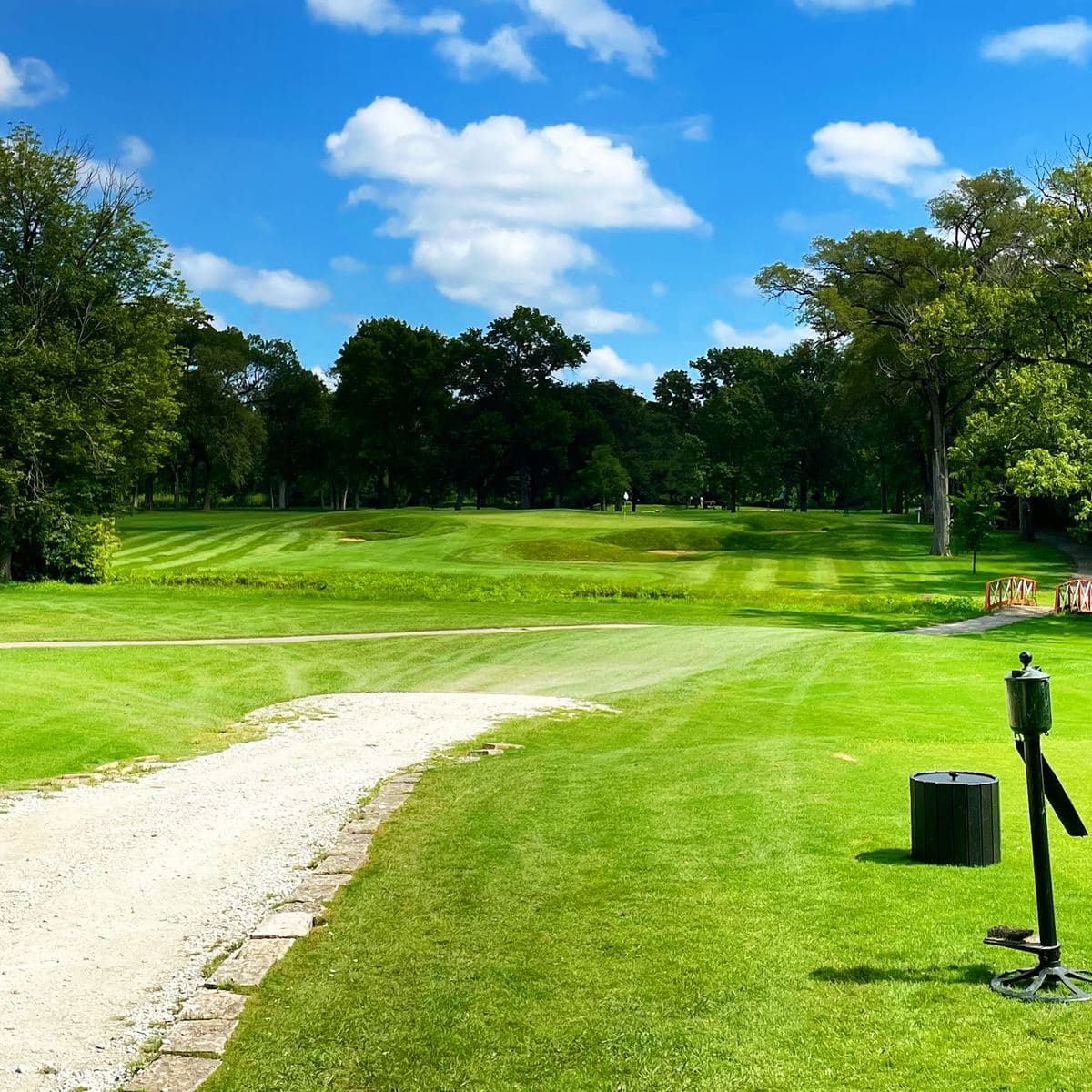
Ravisloe is the classic-architecture changeup. It is shorter, older, and more charming than most of the modern Chicago public roster. Stronger architecture people will enjoy it; distance-obsessed groups may miss the point.
Strengths
- Classic feel
- Walkable energy
- Good architecture contrast
- Public access.
Weaknesses
- Shorter yardage
- Less premium polish
- Not a power-player test.
Use it when the group appreciates old-school golf. Skip it if everyone only asks about yardage.
Signature holes: 4, 9, 13, 18.
Where to stay, eat, and stray
Lodging
Where to stay
Downtown Chicago / River North / West Loop
The Glen Club
Oak Brook / Downers Grove / Lemont suburban base
Dining
Where groups actually eat
Bavette's Bar & Boeuf
Gibsons Bar & Steakhouse
Gene & Georgetti
Things to do
Beyond the golf
Cubs / White Sox game
Best for: Summer groups Our take: Great add-on if the schedule fits. Bad idea if it turns the next morning into a casualty report.
River architecture cruise
Best for: Mixed groups or first-time visitors Our take: The rare tourist thing that is actually worth doing.
Green Mill / Second City
Best for: A Chicago night that is not just another bar Our take: Green Mill gives you jazz history and a proper room. Second City gives you comedy without needing a casino or club. Both beat wandering River North hoping the night invents itself.
Planning mechanics
Logistics
Flights, driving, walking
Flights
O'Hare International Airport (ORD): best for most groups and national flight coverage. Midway International Airport (MDW): useful for Southwest-heavy groups and south/west routing. Chicago Executive / DuPage / Lewis University airports: useful private aviation options depending on course cluster.
Ground transportation
Rental cars are recommended unless staying downtown and playing Harborside only. Traffic should shape tee times. A 45-minute map estimate can become a relationship test.
Walking
Walking policies vary. Carts are common. Caddies are not part of the standard public-access Chicago trip.
Weather
When the trip works best
Spring
Playable but inconsistent; May is better than April.
Summer
Best for city energy, but heat and traffic are heavier.
Fall
September and early October are the premium golf window.
Planning ranges
Cost and value levers
Golf
$$-$$$ - Dubsdread and The Glen are premium public; value exists at Highlands/Ravisloe.
Lodging
$$-$$$$ - Downtown summer weekends can be expensive; suburbs usually control cost.
Dining
$$-$$$$ - Chicago gives you both great splurge meals and casual options.
Itinerary builder
Build your itinerary
The sample on the right is an illustrative Streamsong example.
It is meant to show the depth and shape of a real plan. Build your own around your group, dates, rounds, lodging, dining, and travel timing.
Illustrative sample output
Streamsong in 3 Days: 4 Rounds, Mixed Group
3 nights at Streamsong Lodge covering all 3 courses plus a repeat of whichever lands best with the group. With a mixed-skill group and a social thread running through the trip, the sequencing matters: start approachable, build toward bold, and protect evenings for the group to decompress together.
Recommendation
Start with Red to set the right tone for mixed players, not Black. Black's scale can deflate weaker players early and that poisons the rest of the trip.
Day 1
Morning: Arrive, check in to Streamsong Lodge, and get settled without rushing. Arrival timing is unknown, so do not force a same-day round.
Afternoon: If arriving early-to-midday, use the practice facilities to shake off travel; skip forcing an afternoon round on an unknown schedule.
Evening: Make this the nicer dinner night. Gather the group, debrief the plan, and use the evening to build energy for the heavy golf days ahead.
Insider note: Day 1 is the setup day, not a golf day. Burning a round here on travel legs is the most common mistake groups make at Streamsong.
Day 2
Morning: Tee off on Streamsong Red first thing. It is the most balanced course and the right anchor for a mixed-skill group on fresh legs.
Afternoon: Afternoon round on Streamsong Blue. It is more open and wind-affected, which rewards better players while staying manageable enough for the group.
Evening: Keep dinner casual and on property. Two rounds is a full day and the group needs to recover, not power through a production.
Insider note: Red in the morning lets the group settle in before Blue asks harder questions in the afternoon wind.
Day 3
Morning: Play Streamsong Black. Use it as the bold contrast round the guide describes, not as the centerpiece, and set expectations accordingly for higher-handicap players.
Afternoon: Replay the course that resonated most with the group. Red is the likely call for mixed groups, Blue for stronger players who want another look.
Evening: Final evening on property. Keep it relaxed since departure timing is unknown and no one should be grinding through dinner logistics.
Insider note: Black is the experience round, not the best round. Frame it that way for the group before the first tee so no one is quietly disappointed by the rougher edges.
Tradeoffs
Four rounds in two full golf days is aggressive but workable at a comfortable pace. The plan keeps Day 1 golf-free to protect legs and group cohesion rather than chasing a fifth round nobody would enjoy.
Black is scheduled for Day 3 morning rather than being skipped. It adds useful contrast and a memorable moment, but it was deliberately placed after the group already has two courses under its belt rather than as an opener.
The nicer dinner was placed on Day 1 rather than a golf day. This protects energy on the days that matter and gives the group something to build toward without splitting a long golf day around a formal meal.
Book first
Book all four tee times at Streamsong before lodging fills. The property manages its own tee sheet and availability tightens fast in peak season.
Confirm Streamsong Lodge rooms for all three nights in a single block. A small group of 3-4 makes this manageable, but winter weekends can still book out early.
Arrange caddies for at least Red and Blue if the group is open to walking. First-time looks benefit significantly from local knowledge on both courses.
Watchouts
Two rounds on Day 2 is the heaviest ask of the trip. If anyone in the mixed group is a high-handicapper or infrequent player, build in flexibility to skip the afternoon Blue round rather than grinding through it.
Streamsong is genuinely remote and there is no nightlife option off property. Groups expecting energy beyond the lodge bar will be disappointed, and that expectation gap kills trip morale faster than a bad round.
Black's scale and difficulty can frustrate less experienced players, especially after already playing 36 holes the day before. If the group's weakest player struggled on Day 2, consider swapping Black for a Red replay.
LodgingExpandClose
Overall lodging take: Chicago lodging is a routing decision disguised as a hotel decision. Downtown gives you food and nightlife. Suburbs give you sanity before morning tee times.
City hotel base
Downtown Chicago / River North / West Loop
Best for: Food-first trips and groups flying into ORD/MDW
Cost: Wide range; events, conferences, and summer weekends can spike.
Pros
Best dining; nightlife; easy rideshare; city energy.
Cons
Parking; traffic; longer morning drives; expensive weekends.
Golf-course lodging
The Glen Club
Best for: North Shore/Glen Club-focused trips
Cost: Room and golf package rates vary.
Pros
On-site golf; good rooms; easy morning flow; North Shore access.
Cons
Not downtown; not ideal for Cog Hill/Harborside-heavy trips.
Suburban hotel cluster
Oak Brook / Downers Grove / Lemont suburban base
Best for: Cog Hill, Mistwood, Cantigny, southwest/west routing
Cost: Usually easier than downtown, but event-sensitive.
Pros
Better access to Cog Hill/Cantigny/Mistwood; easier parking; lower costs.
Cons
Weakens the city-dining angle; less memorable.
Rental home
Group rental / suburban house
Best for: Larger groups prioritizing hang space
Cost: Depends heavily on location and event calendar.
Lodging verdict: For the best Chicago experience, split the logic: downtown for the social night, suburban base for golf-heavy mornings. If you hate moving hotels, pick the identity and accept the tradeoff.
Pros
Common space; cost control; relaxed evenings.
Cons
Location risk; parking and coordination; no hotel service.
DiningExpandClose
Overall dining take: Chicago is a food city. Use that advantage. One great dinner is the reason to choose Chicago over a quieter golf market.
Steakhouse / main dinner
Bavette's Bar & Boeuf
Best for: Premium group dinner
DetailsClassic Chicago steakhouse
Gibsons Bar & Steakhouse
Best for: Traditional group dinner
DetailsOld-school Chicago steakhouse
Gene & Georgetti
Best for: Groups that want history over scene
DetailsBeer, pork, seafood, loud group dinner
The Publican
Best for: West Loop casual-premium night
837 W Fulton Market, Chicago, IL 60607, USA
Monday: 11:00 AM – 2:00 PM, 4:00 – 9:00 PM
Casual/iconic
Au Cheval
Best for: Smaller groups or off-night food hit
DetailsCasual group dinner
Green Street Smoked Meats
Best for: West Loop group meal
DetailsChicago credential / lunch
Al's Italian Beef
Best for: Arrival lunch or post-round grab
Dining verdict: Book one serious dinner. Keep the other nights flexible by where the group actually finishes golf, not where the spreadsheet wanted them to be.
DetailsOther things to doExpandClose
Overall take: Chicago is easy to overdo. Pick one non-golf lane and leave space for the actual trip.
Cubs / White Sox game
Best for: Summer groups Our take: Great add-on if the schedule fits. Bad idea if it turns the next morning into a casualty report.
River architecture cruise
Best for: Mixed groups or first-time visitors Our take: The rare tourist thing that is actually worth doing.
Green Mill / Second City
Best for: A Chicago night that is not just another bar Our take: Green Mill gives you jazz history and a proper room. Second City gives you comedy without needing a casino or club. Both beat wandering River North hoping the night invents itself.
West Loop / River North night out
Best for: Social groups Our take: Chicago's off-course advantage. Use it once, not as a nightly mission.
Lakefront / beach
Best for: Summer downtime Our take: Good recovery if the group stays downtown. Irrelevant if the group is sleeping in Oak Brook.
Chicago is better when you give it one city moment. Just do not let the city sabotage the golf.
LogisticsExpandClose
Closest airports
O'Hare International Airport (ORD): best for most groups and national flight coverage., Midway International Airport (MDW): useful for Southwest-heavy groups and south/west routing., Chicago Executive / DuPage / Lewis University airports: useful private aviation options depending on course cluster.
Commercial flights
O'Hare International Airport (ORD): best for most groups and national flight coverage. Midway International Airport (MDW): useful for Southwest-heavy groups and south/west routing. Chicago Executive / DuPage / Lewis University airports: useful private aviation options depending on course cluster.
Private aviation
Private can help premium groups land closer to the chosen cluster, especially west/southwest golf. It does not solve bad routing.
Ground transportation
Rental cars are recommended unless staying downtown and playing Harborside only. Traffic should shape tee times. A 45-minute map estimate can become a relationship test.
Walking / caddies
Walking policies vary. Carts are common. Caddies are not part of the standard public-access Chicago trip.
WeatherExpandClose
Spring
Playable but inconsistent; May is better than April.
Summer
Best for city energy, but heat and traffic are heavier.
Fall
September and early October are the premium golf window.
| Metric | Jan | Feb | Mar | Apr | May | Jun | Jul | Aug | Sep | Oct | Nov | Dec |
|---|---|---|---|---|---|---|---|---|---|---|---|---|
| High | 28F | 31F | 43F | 57F | 69F | 78F | 82F | 80F | 72F | 59F | 46F | 33F |
| Low | 15F | 16F | 25F | 36F | 47F | 57F | 62F | 60F | 52F | 41F | 31F | 20F |
| Sun | Low | Low | Mixed | Good | Best | Best | Best | Best | Good | Mixed | Low | Low |
| Clouds | High | High | Medium | Medium | Medium | Medium | Low | Low | Medium | Medium | High | High |
| Rain | Snow | Snow | Medium | Medium | Medium | Medium | Medium | Medium | Medium | Medium | Medium | Snow |
Planning rangesExpandClose
Golf
$$-$$$
Dubsdread and The Glen are premium public; value exists at Highlands/Ravisloe.
Lodging
$$-$$$$
Downtown summer weekends can be expensive; suburbs usually control cost.
Dining
$$-$$$$
Chicago gives you both great splurge meals and casual options.
Transportation
$$
Rental cars, parking, and traffic are real costs.
Best value lever
Geographic clustering
Save time and money by not crossing the metro repeatedly.
Keep planning
What should you do next?
Use Chicago as the starting point. Then compare, build, and ask the follow-up questions before the group locks anything in.
Ask smarter golf-trip questions
Get honest answers. Build smarter trips.
Pressure-test the trip, compare options, or ask what the page is not telling you yet.
Keep browsing
Other destinations
Keep the group honest by comparing this option against nearby peers and other trips with a similar purpose.
Midwest
Nebraska Sandhills
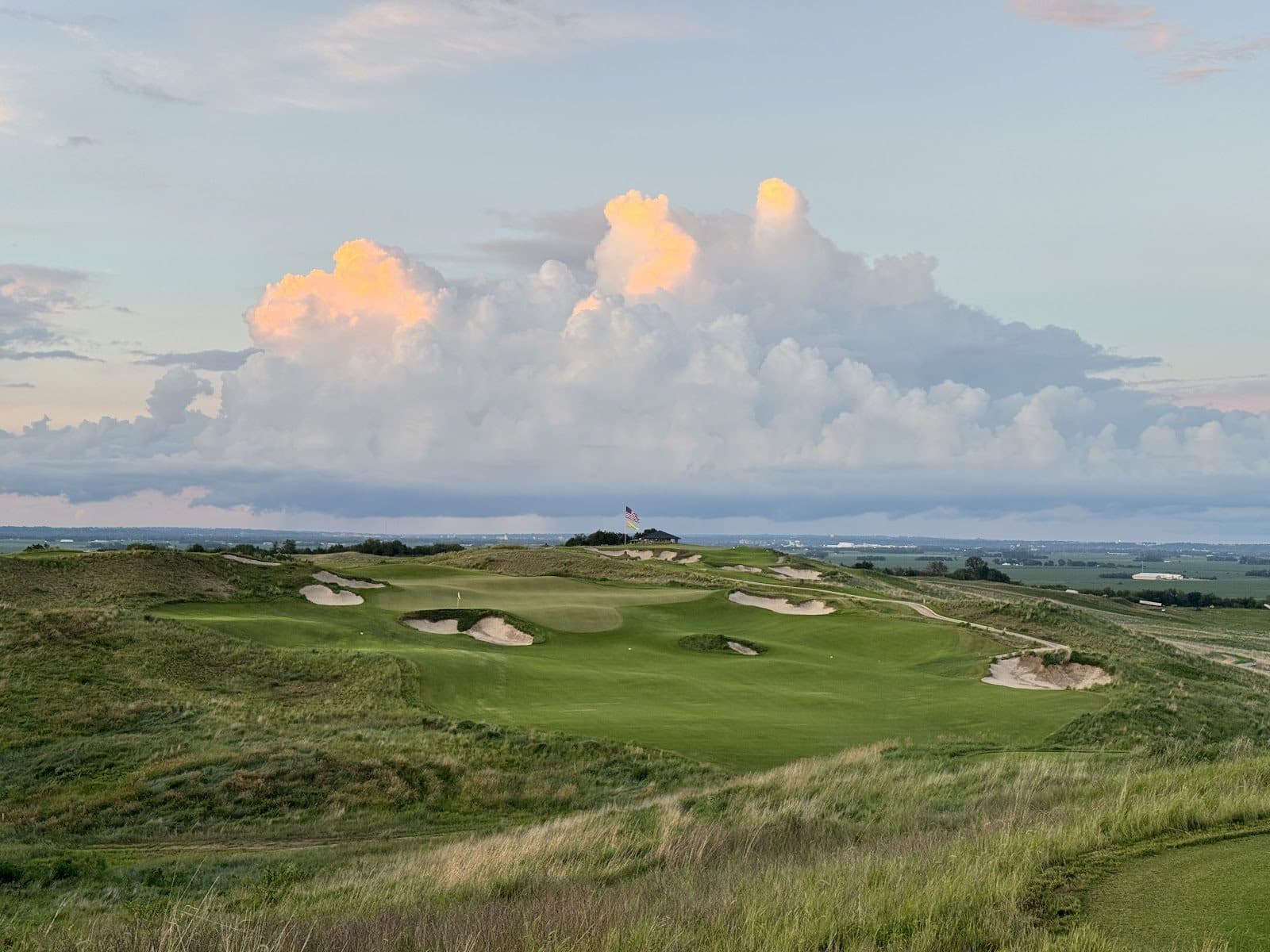
The architecture sicko pilgrimage: remote, raw, brilliant golf in a landscape that does not care about your nightlife needs.
Midwest
French Lick / Indiana
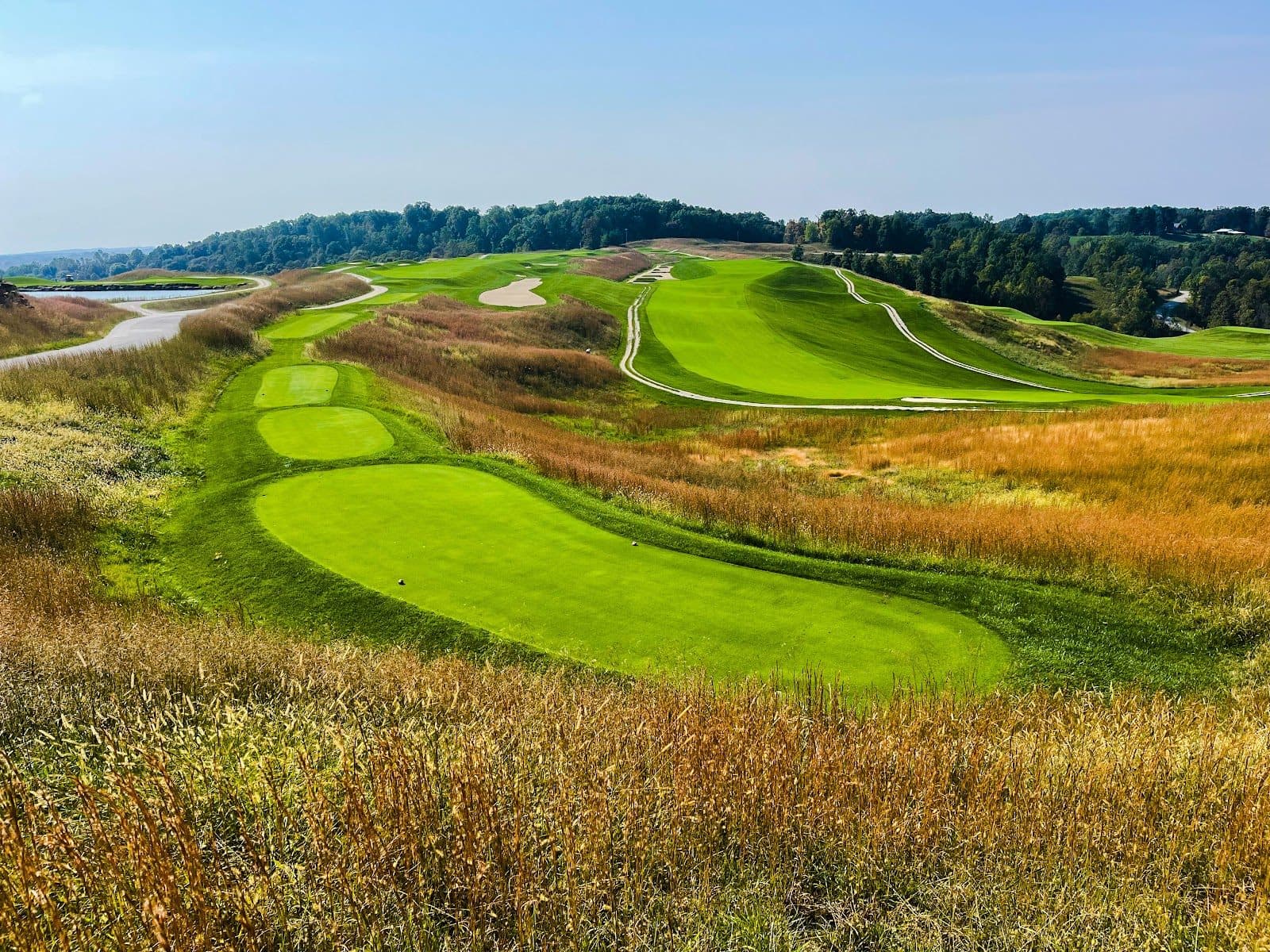
Two serious championship courses at one historic resort: Pete Dye brings the punishment, Donald Ross brings the soul.
Midwest
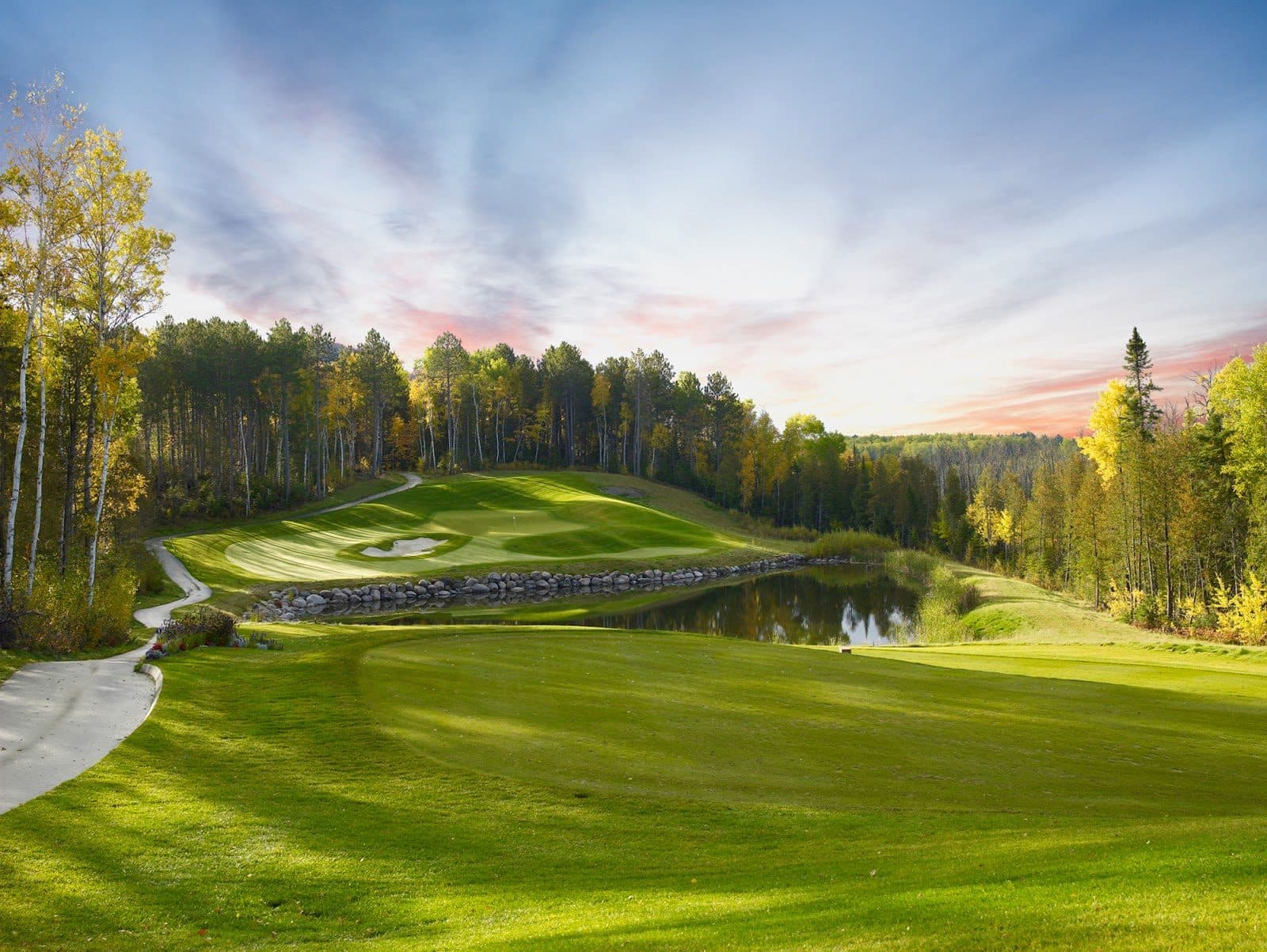
Minnesota Northwoods
A true summer sleeper: Giants Ridge, Fortune Bay, and Madden's turn northern Minnesota into a legitimate golf-and-lake trip.
Midwest
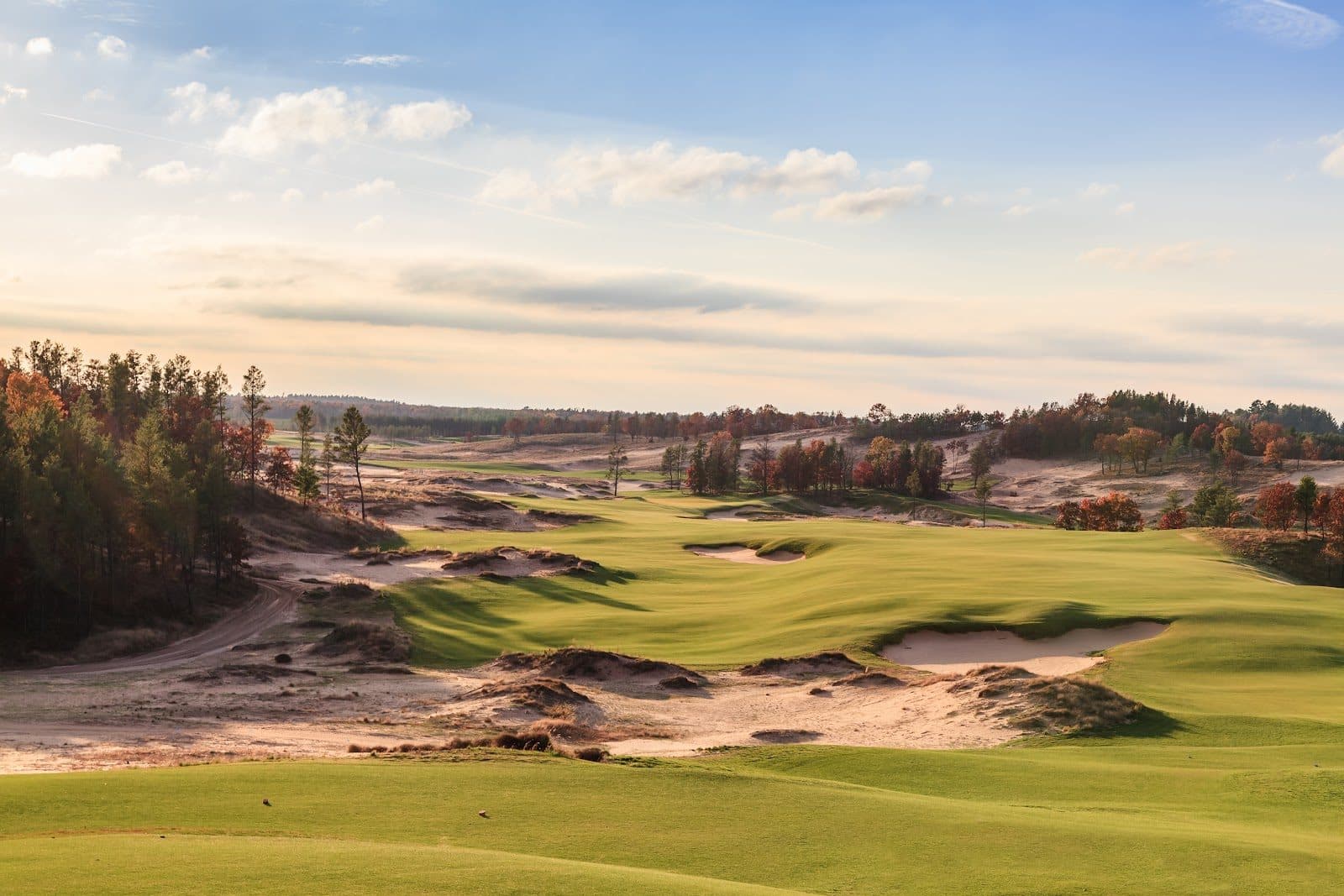
Sand Valley / Wisconsin
The Midwest's modern golf laboratory: sandy, walkable, architecture-heavy, and quietly becoming one of America's essential golf trips.
Midwest
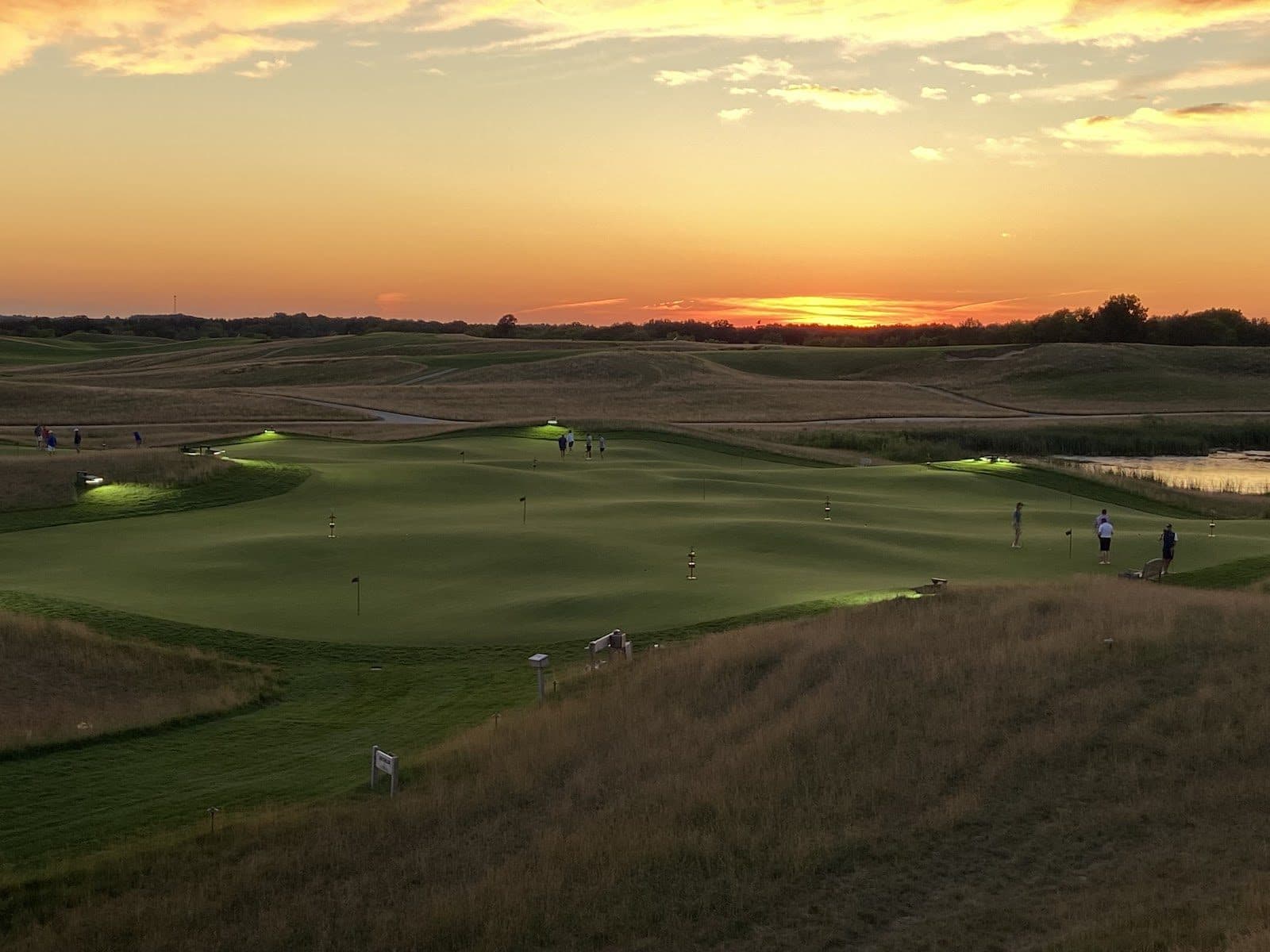
Kohler / Wisconsin
Big-stage Wisconsin golf: dramatic, expensive, Pete Dye-heavy, resort-polished, and absolutely not subtle.
Midwest
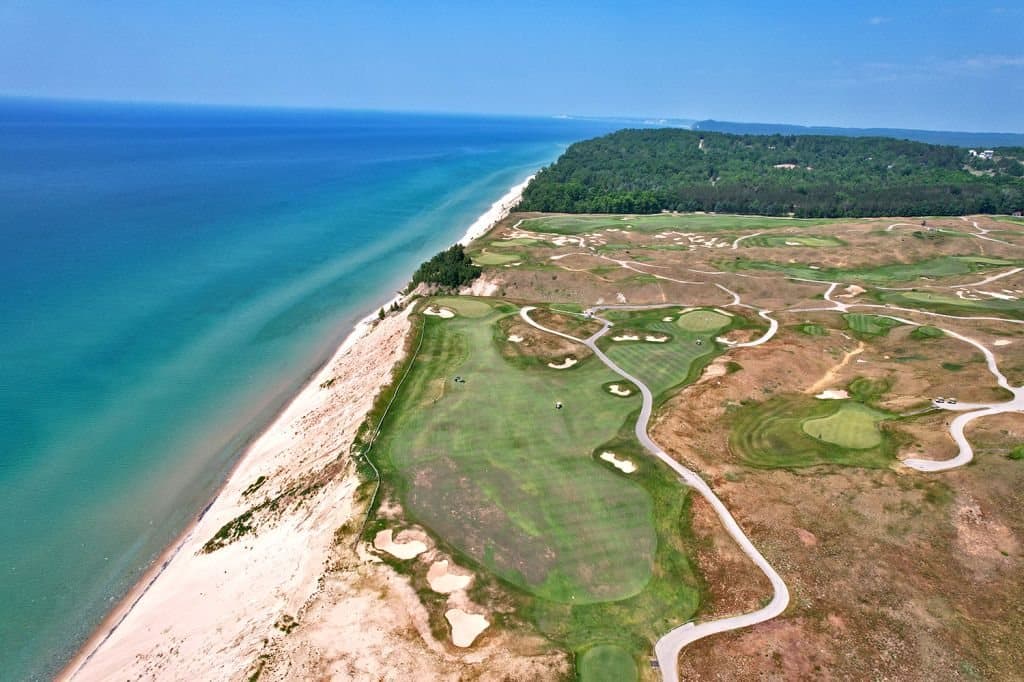
Northern Michigan
A curated summer road trip built around Arcadia, Forest Dunes, The Loop, Bay Harbor, Boyne, and Treetops.
Midwest
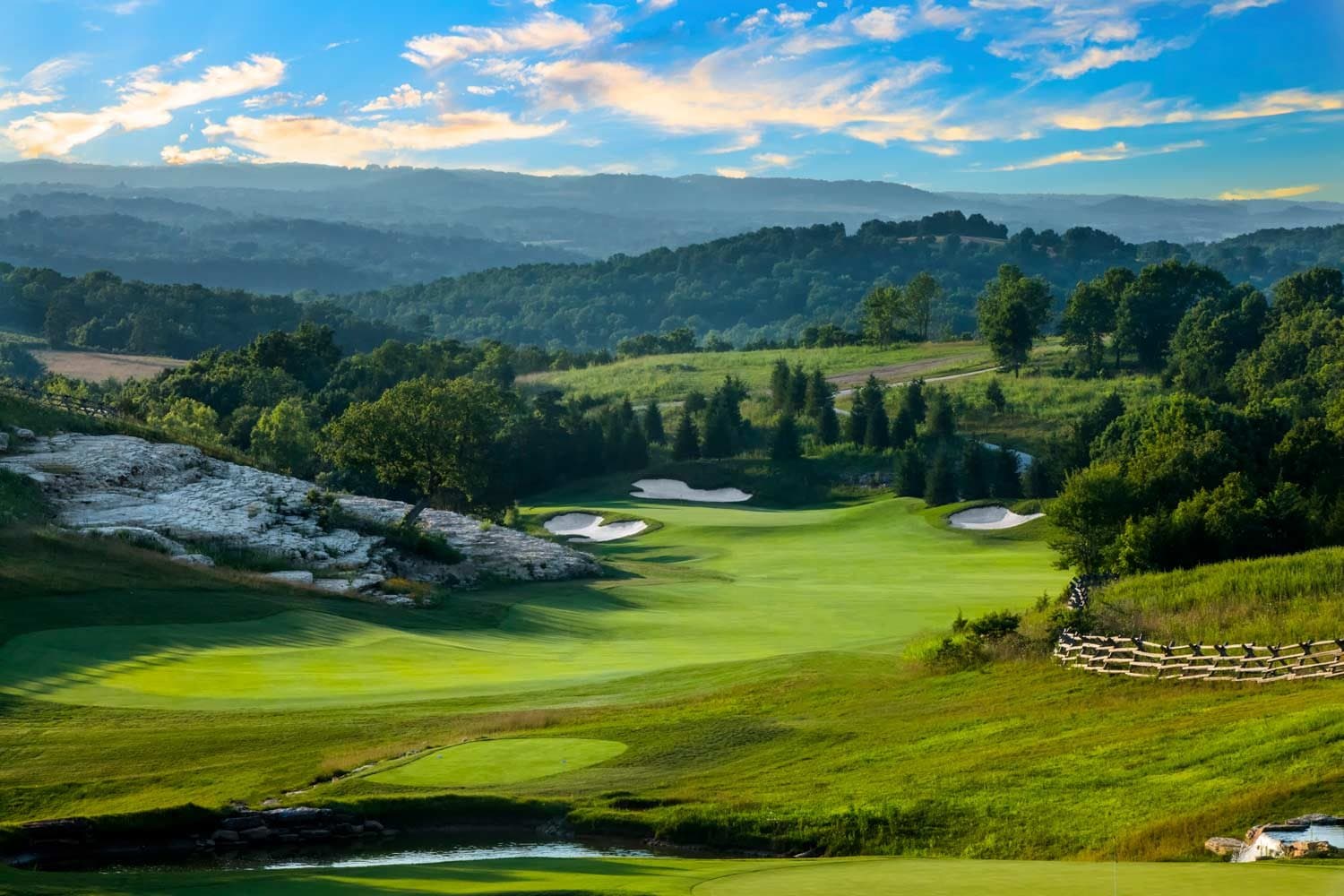
Big Cedar / Missouri
A surprisingly elite golf destination with dramatic Ozark terrain and high-end resort experience.
Southeast
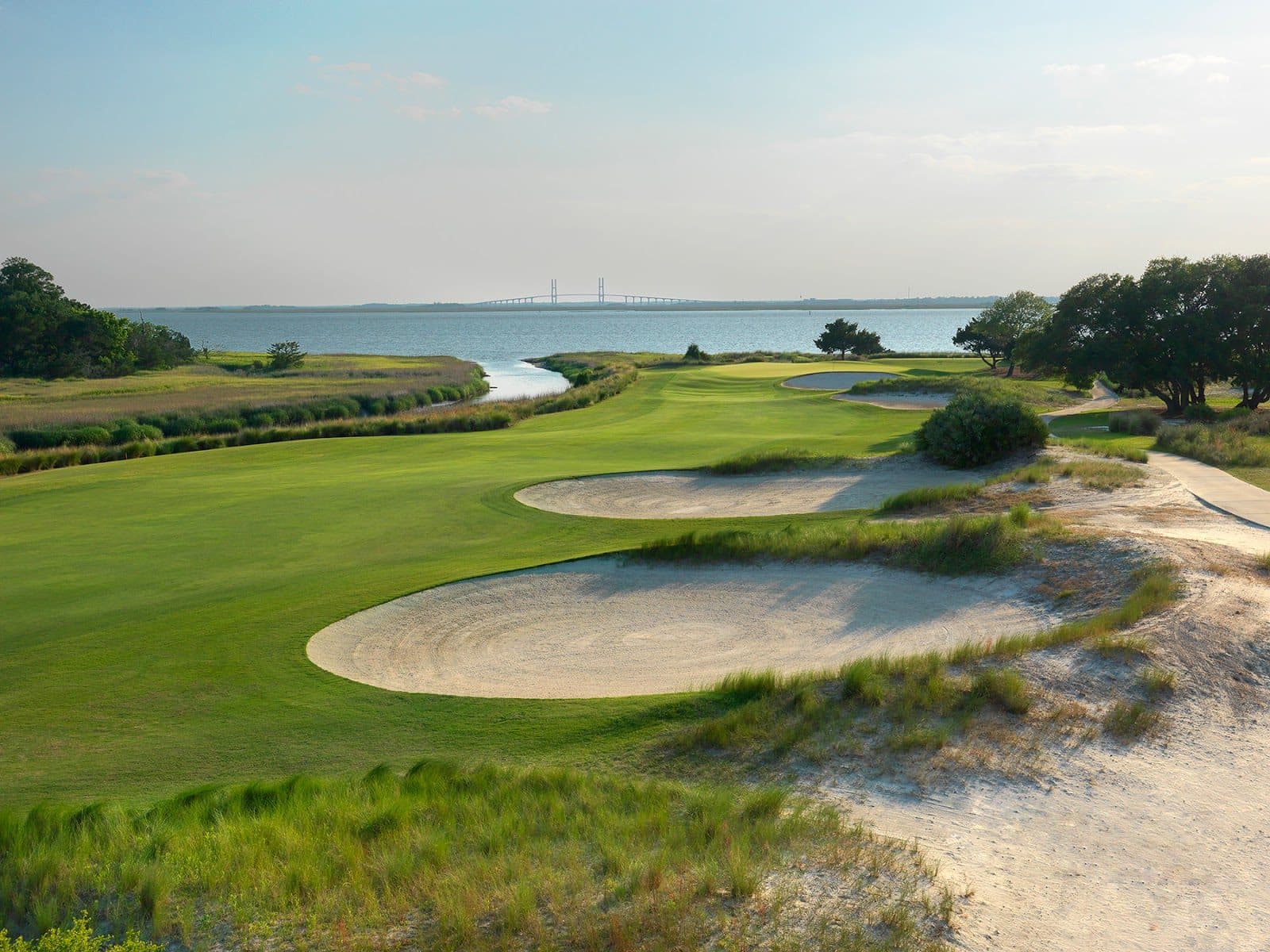
Sea Island / Georgia
The polished Southern luxury golf trip: three resort courses, serious service, very good golf, and just enough restraint to avoid becoming a sales convention with better shoes.
Southeast
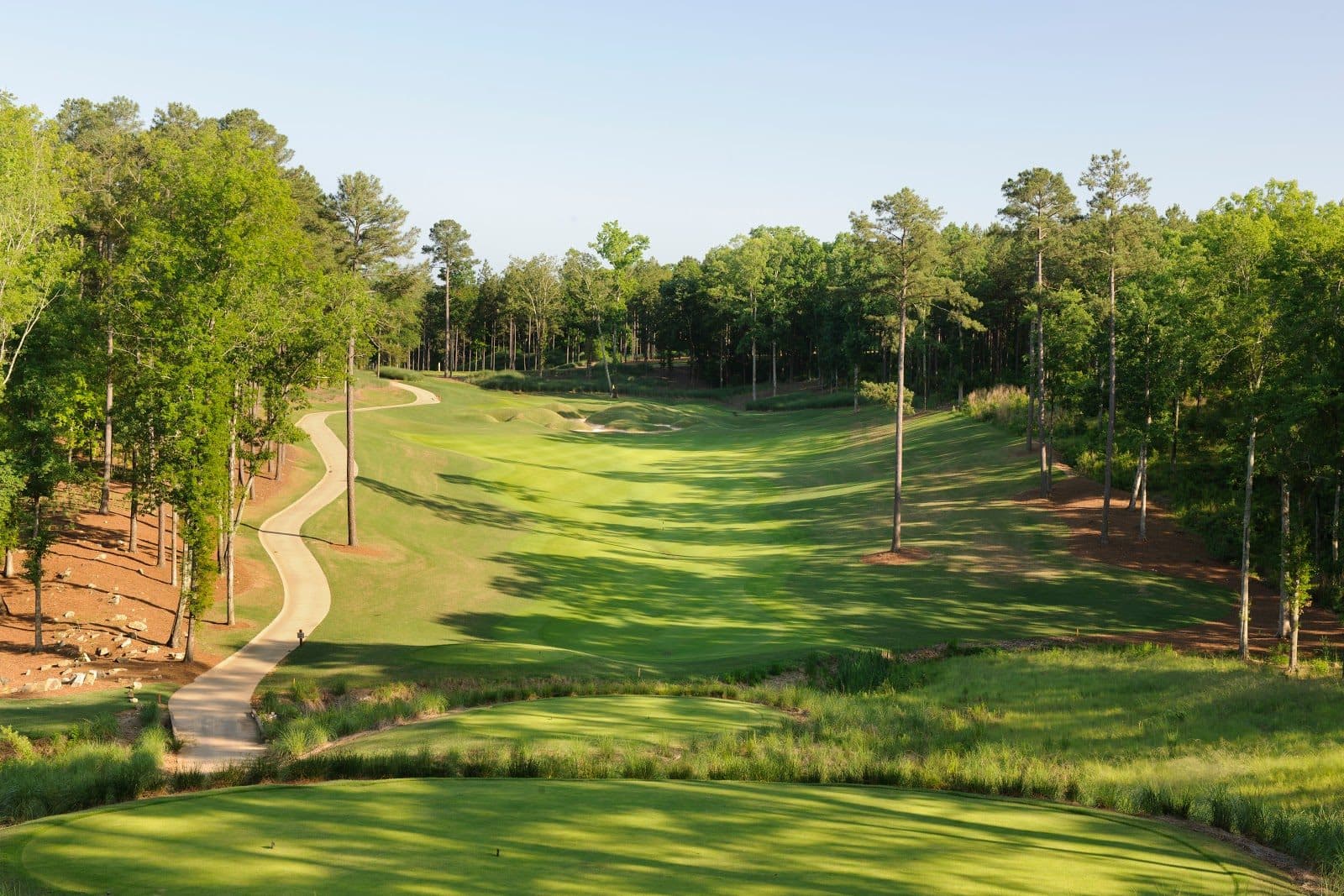
Lake Oconee / Georgia
A lake-house golf trip with real depth: convenient for the Southeast, polished enough for couples, and better on the course list than casual golfers realize.
Southwest
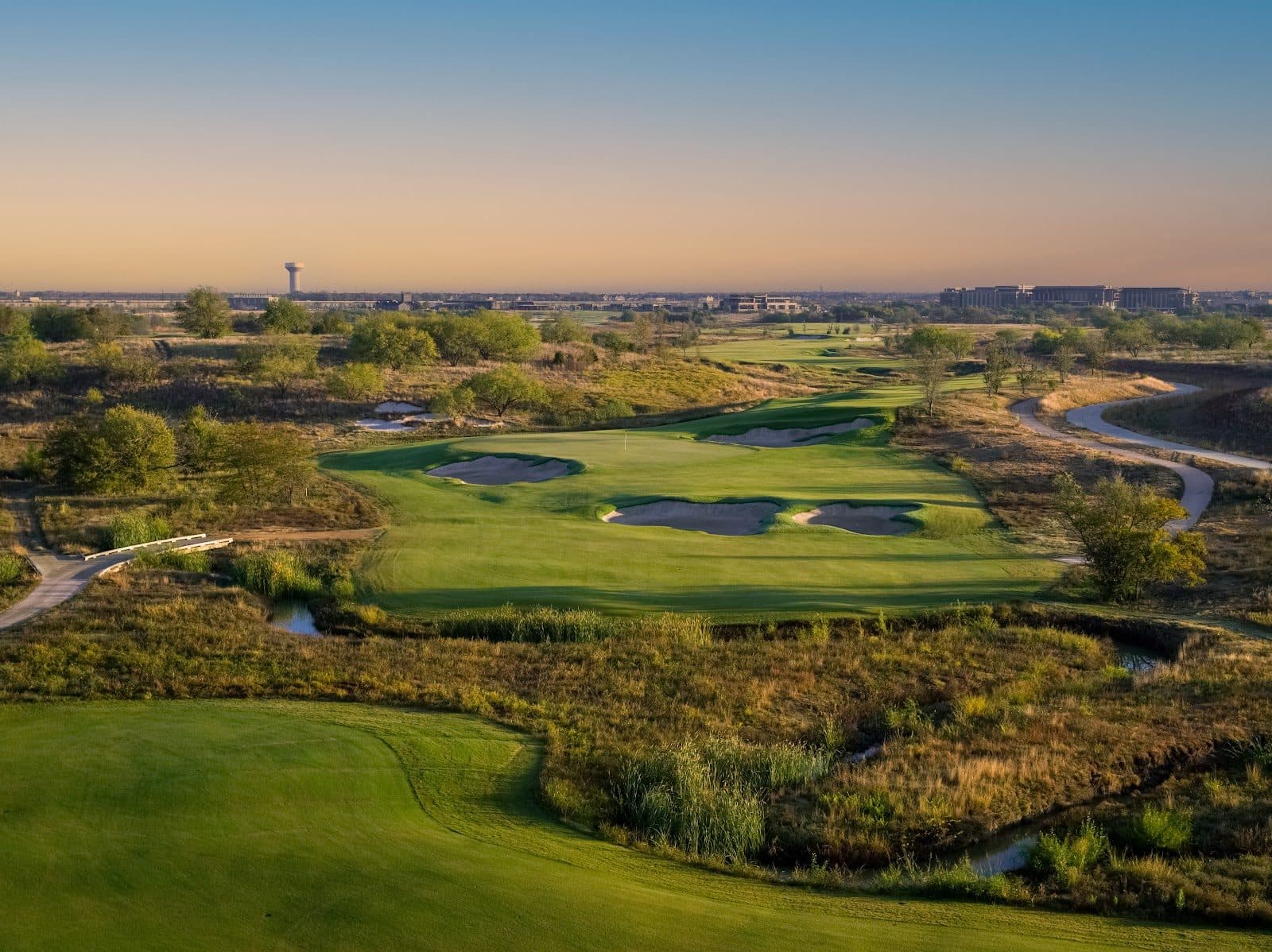
Frisco / Texas
A new-school golf campus built for groups: easy flights, two big courses, short-course energy, and enough Dallas-area support to keep non-golf friction low.
Mountain
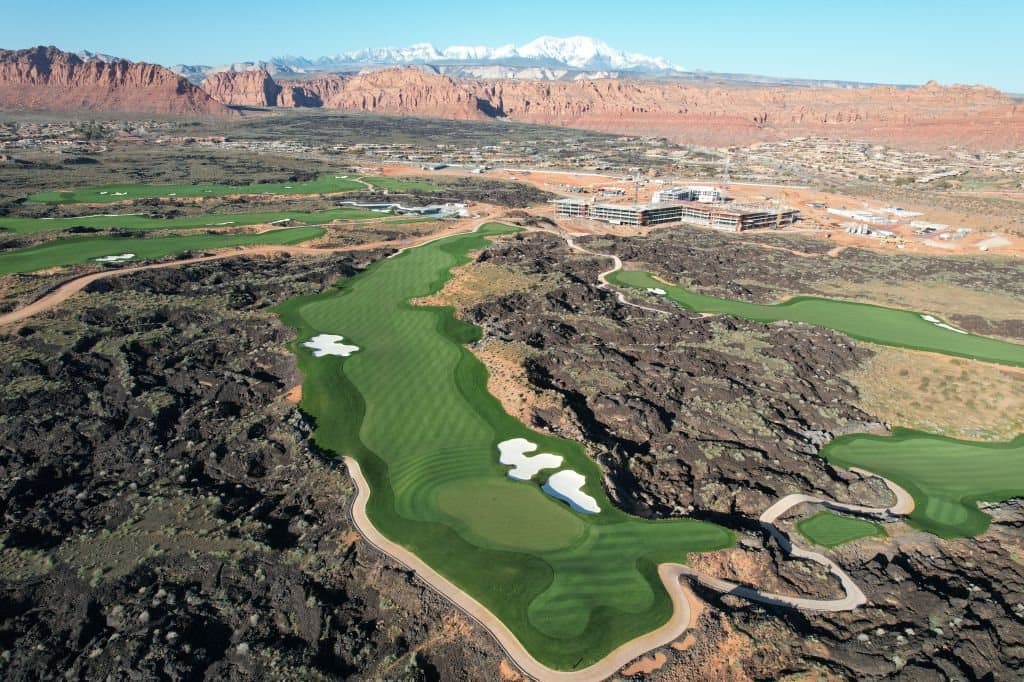
St. George / Utah & Nevada
The red-rock desert golf trip with real teeth: Black Desert is the new headline, but Sand Hollow and Wolf Creek make the itinerary.
Canada - West
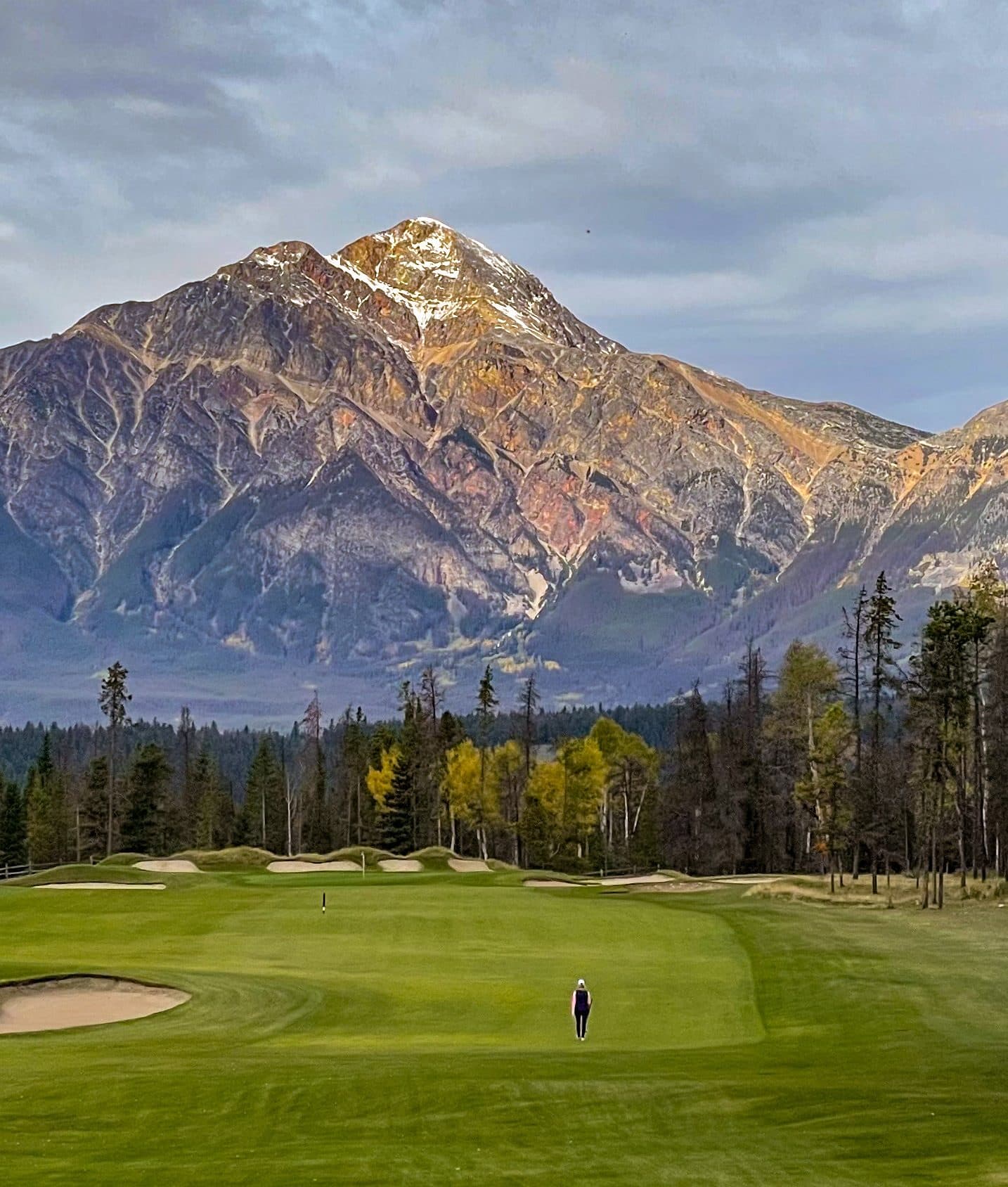
Banff & Jasper / Alberta CN
The mountain-scenery trip: Banff and Jasper are not volume plays; they are postcard golf with enough travel friction to make the payoff feel earned.
Southeast
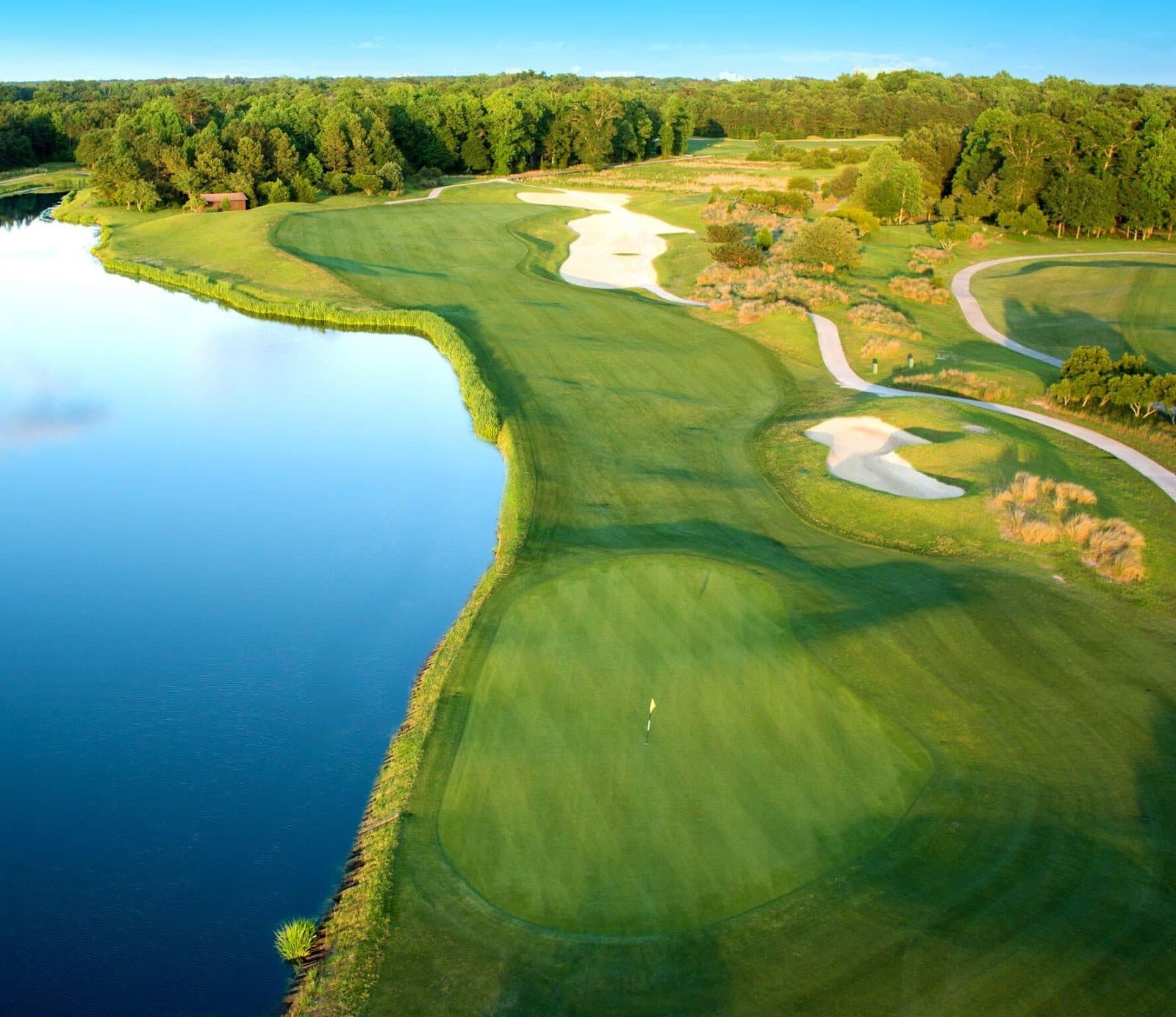
Myrtle Beach / South Carolina
America's maximum-volume golf machine: huge choice, real value, some terrific courses, and enough mediocre filler to punish lazy planning.
Southeast
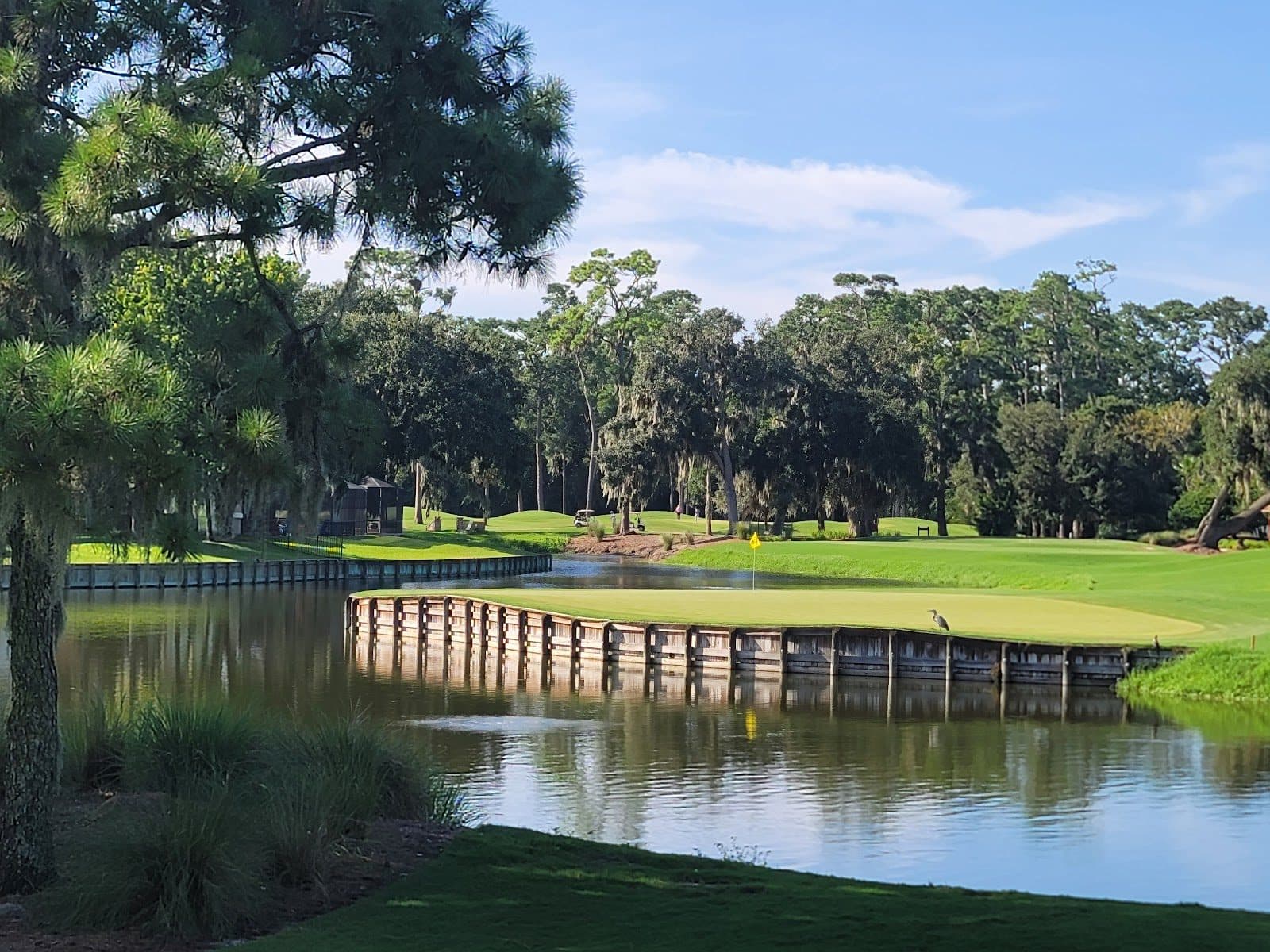
TPC Sawgrass Ponte Vedra / Florida
The Stadium Course is the headline, but the right trip uses Ponte Vedra as a tight, premium Florida golf weekend instead of a one-photo pilgrimage.
Mid-Atlantic
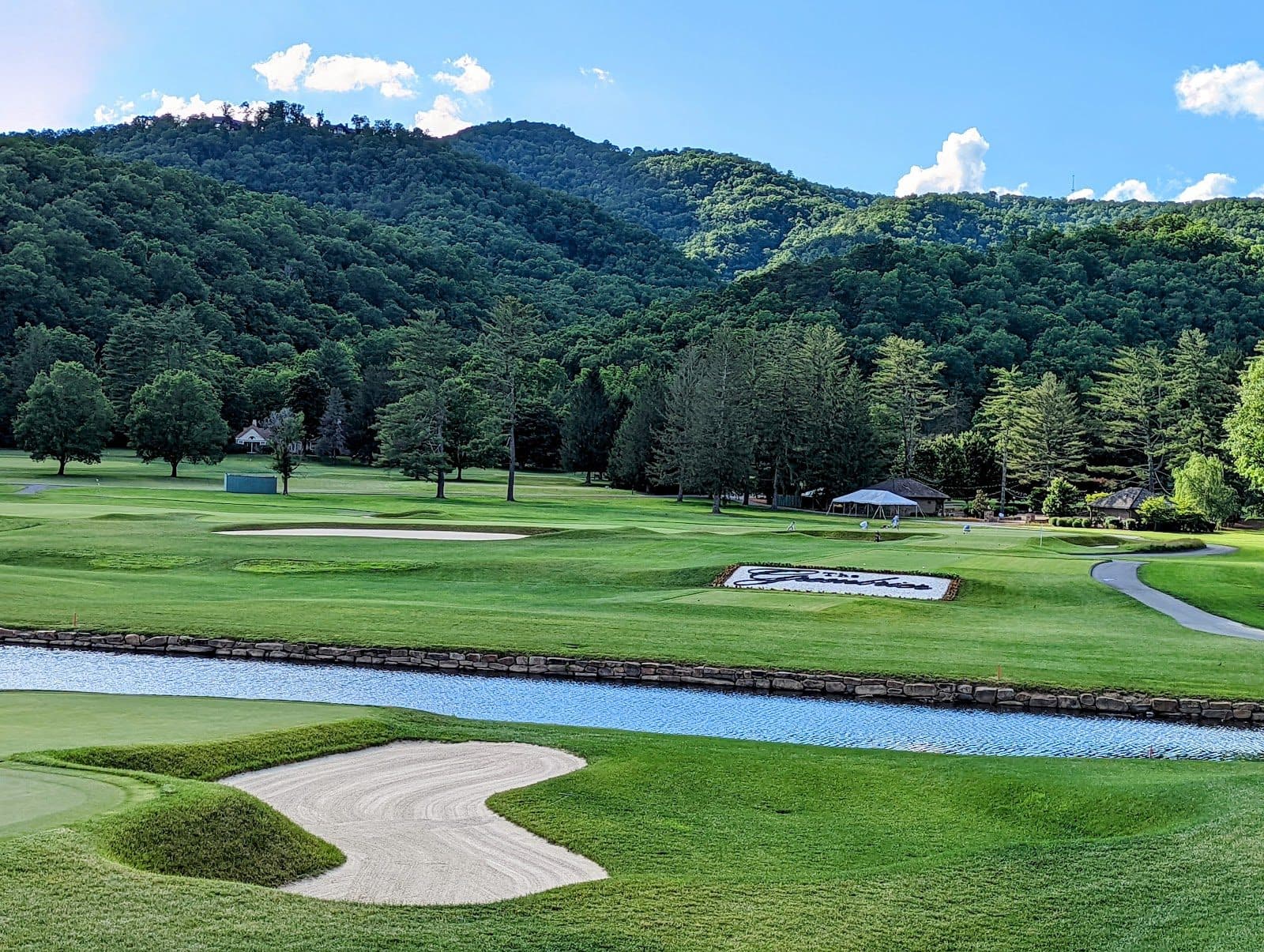
The Greenbrier & Virginia Highlands / West Virginia & Virginia
Classic resort golf with mountain air: historic, scenic, occasionally awkward logistically, and best for groups that like heritage more than nightlife.
Southeast
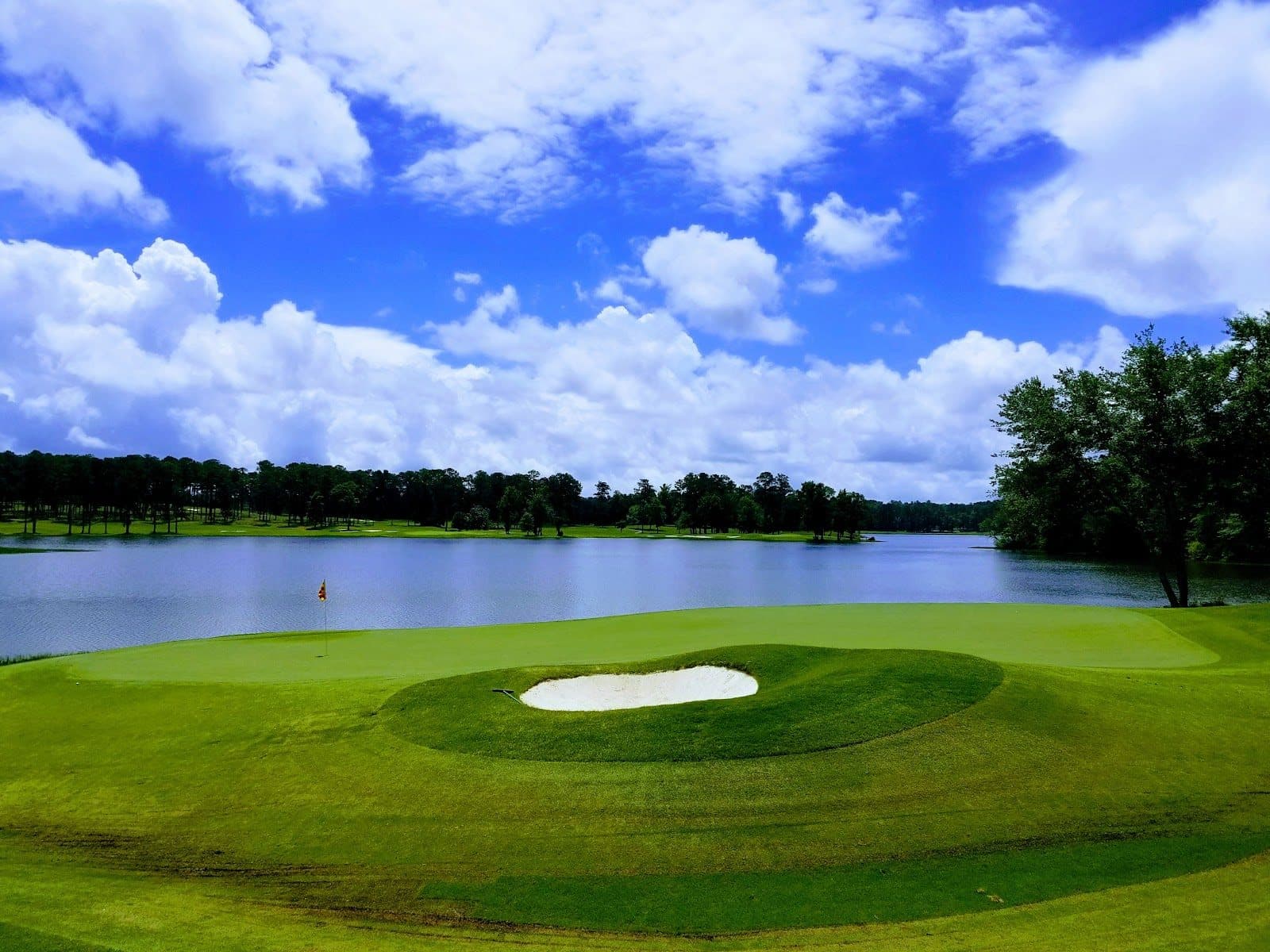
RTJ Trail / Alabama
The value-and-volume play: big courses, huge property scale, strong replay math, and very little patience for groups obsessed with boutique resort glamour.