
Kiawah Island / South Carolina
Luxury Lowcountry golf with one monster anchor, serious resort polish, and Charleston close enough to turn a hard golf trip into a real grown-up vacation
The take
Kiawah's modern golf identity starts with the 1991 Ryder Cup. Pete and Alice Dye built the Ocean Course on the edge of the Atlantic, the wind showed up like it owned the place, and the resort has been dining out on that championship menace ever since. The Ocean Course later hosted PGA Championships, including Rory McIlroy's 2012 runaway and Phil Mickelson's 2021 age-defying flex, and the PGA Championship returns in May 2031. The pedigree is not marketing fluff. The place has teeth.
But Kiawah is not only the Ocean Course. Osprey Point, Cougar Point, Turtle Point, and Oak Point make the resort a real multi-round destination, even if the gap between the anchor and the supporting cast is obvious. Charleston changes the calculus too. Stay on Kiawah and the trip becomes premium, quiet, beach-forward, and golf-focused. Stay in or near Charleston and the trip becomes golf plus restaurants, nightlife, history, and more logistical friction. Both can work. Mixing them badly is how good trips get weird.
Read the full take
The best version starts with one honest decision: is this a Kiawah resort trip or a Charleston golf trip with an Ocean Course day? If the Ocean Course is the reason everyone is paying, stay on Kiawah and build around it. If food, bars, and city energy matter, stay closer to Charleston and accept the drive. What you should not do is pretend Kiawah is cheap, casual, or forgiving. It is premium coastal golf with a championship punch.
The other honest note: the Ocean Course is not Bandon with palmettos. It is a Pete Dye championship course at the edge of the Atlantic, with waste areas, elevated targets, paspalum turf, and enough wind to turn club selection into group therapy. Come for the pedigree. Respect the difficulty.
Best version
Bucket-list coastal golf, Couples and spouse-friendly trips, High-end buddies trips, Groups that want Charleston nearby, Strong players who want a real test, Travelers who value beach, service, and resort polish, Groups that want one or two Charleston dinners to lift the whole trip
Skip if
- Value-focused groups
- Casual golfers afraid of hard golf
- Players who dislike wind
- Groups that want cheap 36-hole days
Insider notes
- Bucket-list coastal golf
- Couples and spouse-friendly trips
- High-end buddies trips
- Groups that want Charleston nearby
- Strong players who want a real test
- Travelers who value beach, service, and resort polish
- Groups that want one or two Charleston dinners to lift the whole trip
The courses
10 core rounds. Scan first, then click into the course detail when you want the full read.
Full destination course detailsExpand this section for the deeper course reads, then click again to hide it.ExpandClose
Strong play
Kiawah Ocean Course
- Designer
- Pete Dye and Alice Dye
- Year
- 1991
- Par
- 72
- Yardage
- 7,876 yds
- Difficulty
- Very high
- Green fees
- Published 2026 schedules put the Ocean Course in the roughly $285-$485 range before tax and caddie gratuity depending on season/access; verify direct.
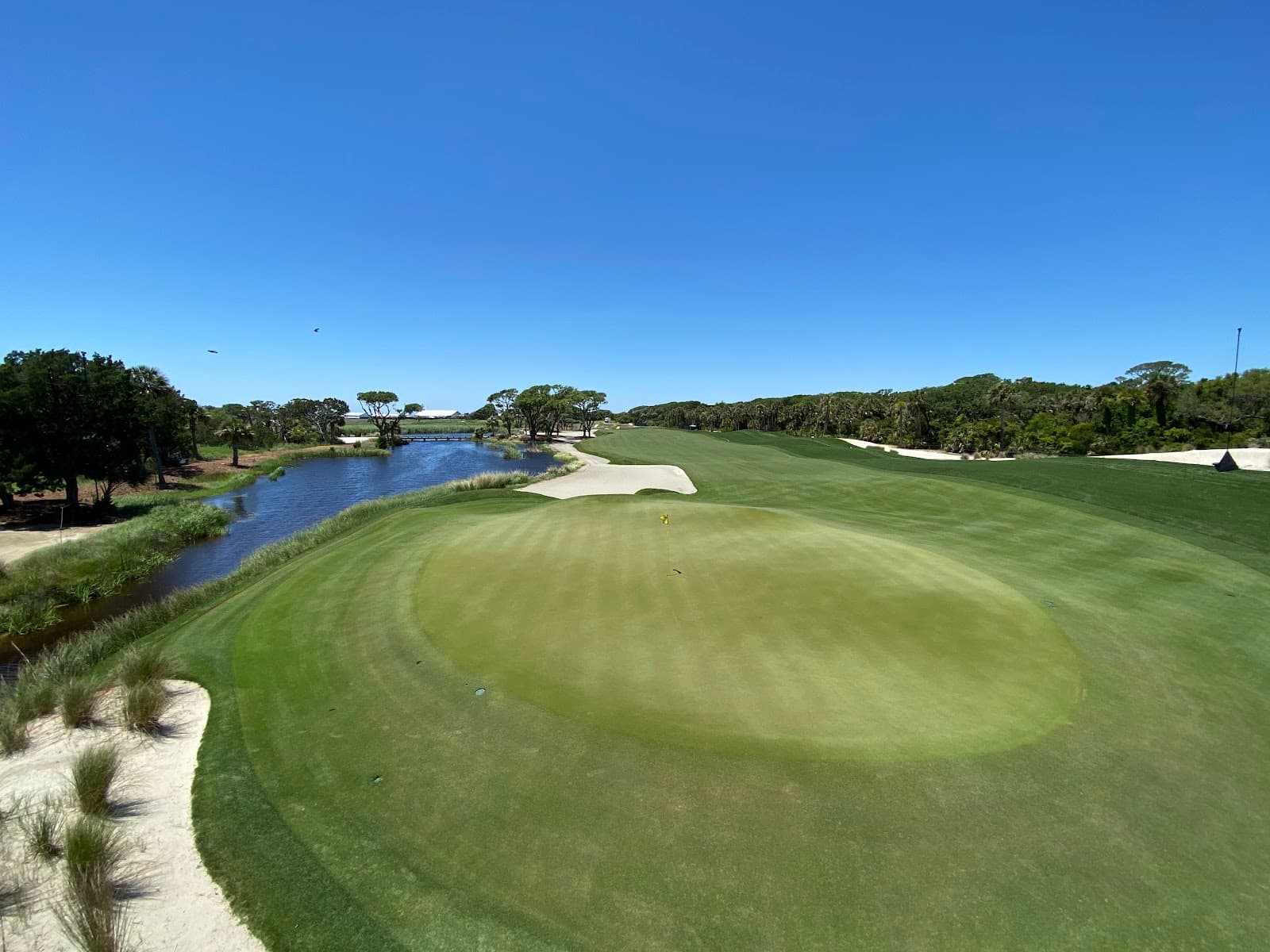
The Ocean Course is one of the hardest public-access tests in America. It is spectacular, exposed, expensive, and not remotely interested in your excuses. The experience is the point: ocean wind, Dye angles, waste areas instead of tidy resort bunkers, caddie lines, and a closing stretch that can make strong players look like tourists.
Strengths
- Major-championship pedigree
- Ocean exposure
- Caddie experience
- Unforgettable closing stretch
- Legitimate strategic intimidation.
Weaknesses
- Very expensive
- Harsh for casual players
- Wind can turn fun into survival
- Less ground-game links than the marketing can imply.
The anchor. Play it early, hire the caddie, move up a tee, and do not bring players who think vacation golf should apologize.
Signature holes: 5, 11, 14, 17, 18.
Strong play
Osprey Point
- Designer
- Tom Fazio
- Year
- 1988
- Par
- 72
- Yardage
- About 6,900 yds
- Difficulty
- Medium
- Green fees
- Published 2026 schedules put the four non-Ocean resort courses roughly in the $140-$250 range before tax depending on season/access; confirm direct.
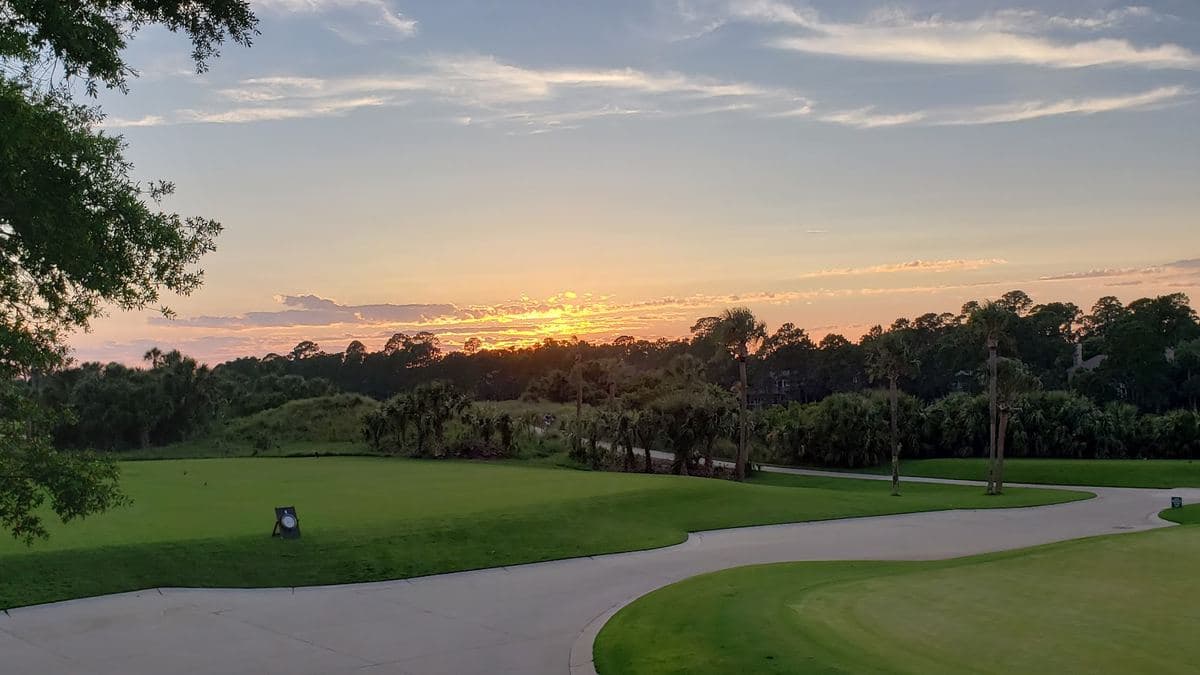
Osprey Point is often the best supporting course at Kiawah. It is pretty, playable, polished, and broad enough for mixed groups without feeling like pure filler. If your group is playing one course beyond Ocean, this is usually the call.
Strengths
- Best non-Ocean balance
- Fazio polish
- Broad group appeal
- Pretty Lowcountry setting
- Easiest supporting-course recommendation.
Weaknesses
- Limited trophy value
- Less architectural bite
- Can feel quiet after Ocean.
The second course most Kiawah groups should play.
Signature holes: 9, 11, 15, 18.
Strong play
Turtle Point
- Designer
- Jack Nicklaus
- Year
- 1981
- Par
- 72
- Yardage
- 7,054 yds
- Difficulty
- Medium-high
- Green fees
- Published 2026 schedules put the four non-Ocean resort courses roughly in the $140-$250 range before tax depending on season/access; confirm direct.
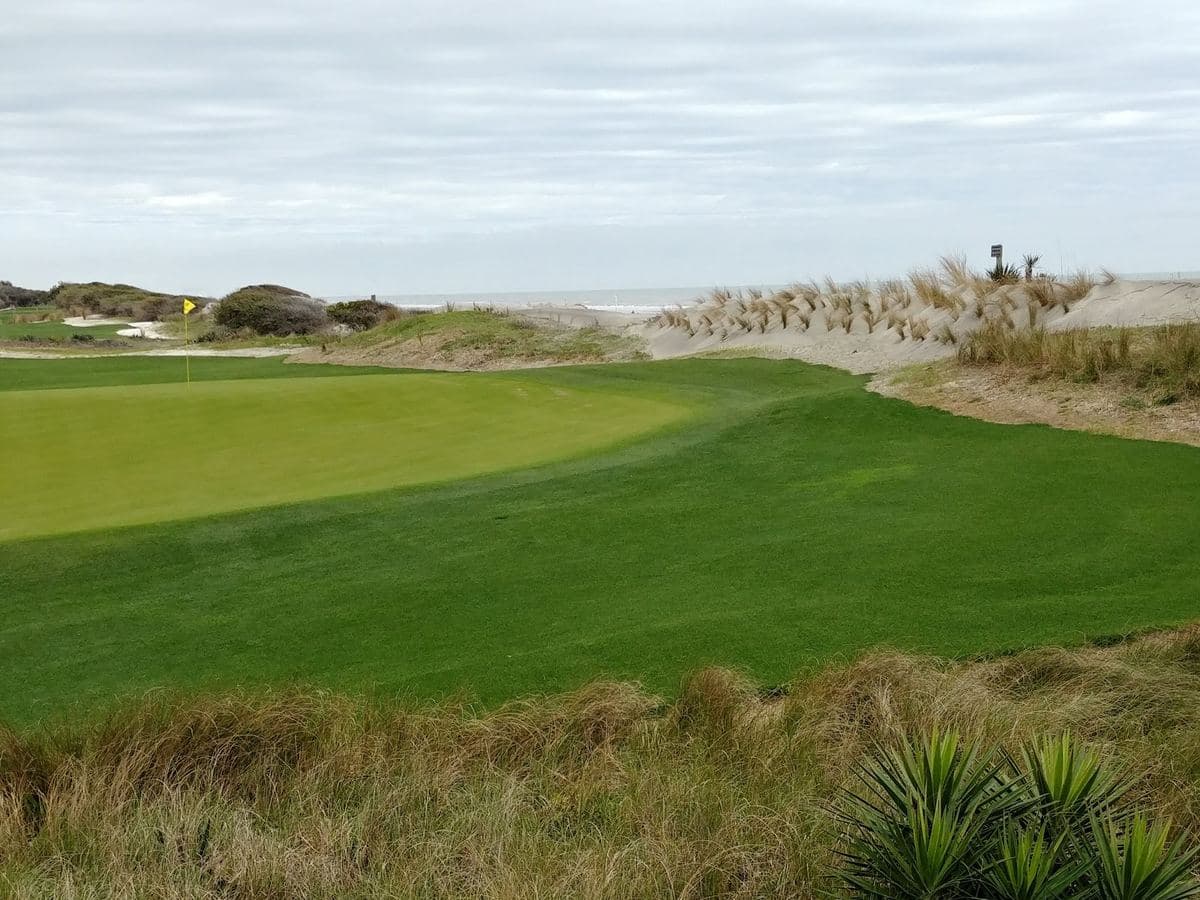
Turtle Point is the more structured Nicklaus resort round, and the Atlantic-side stretch at 14-16 is the reason it stays in the conversation. The rest is more residential and less distinctive than people expect. Good course, wrong mythology if someone sells it as mini-Ocean.
Strengths
- Nicklaus structure
- Good conditioning
- Serious enough for stronger players
- Useful resort rotation.
Weaknesses
- Less distinctive than Osprey
- Only a short ocean-side stretch
- Can blend into the resort inventory.
Good third course if the group wants the coastal photo hit. For pure golf value, Osprey and Cougar are cleaner choices.
Signature holes: 14, 15, 16, 18.
Strong play
Cougar Point
- Designer
- Gary Player
- Year
- 1976 / renovated 2017
- Par
- 72
- Yardage
- About 6,800 yds
- Difficulty
- Medium
- Green fees
- Published 2026 schedules put the four non-Ocean resort courses roughly in the $140-$250 range before tax depending on season/access; confirm direct.
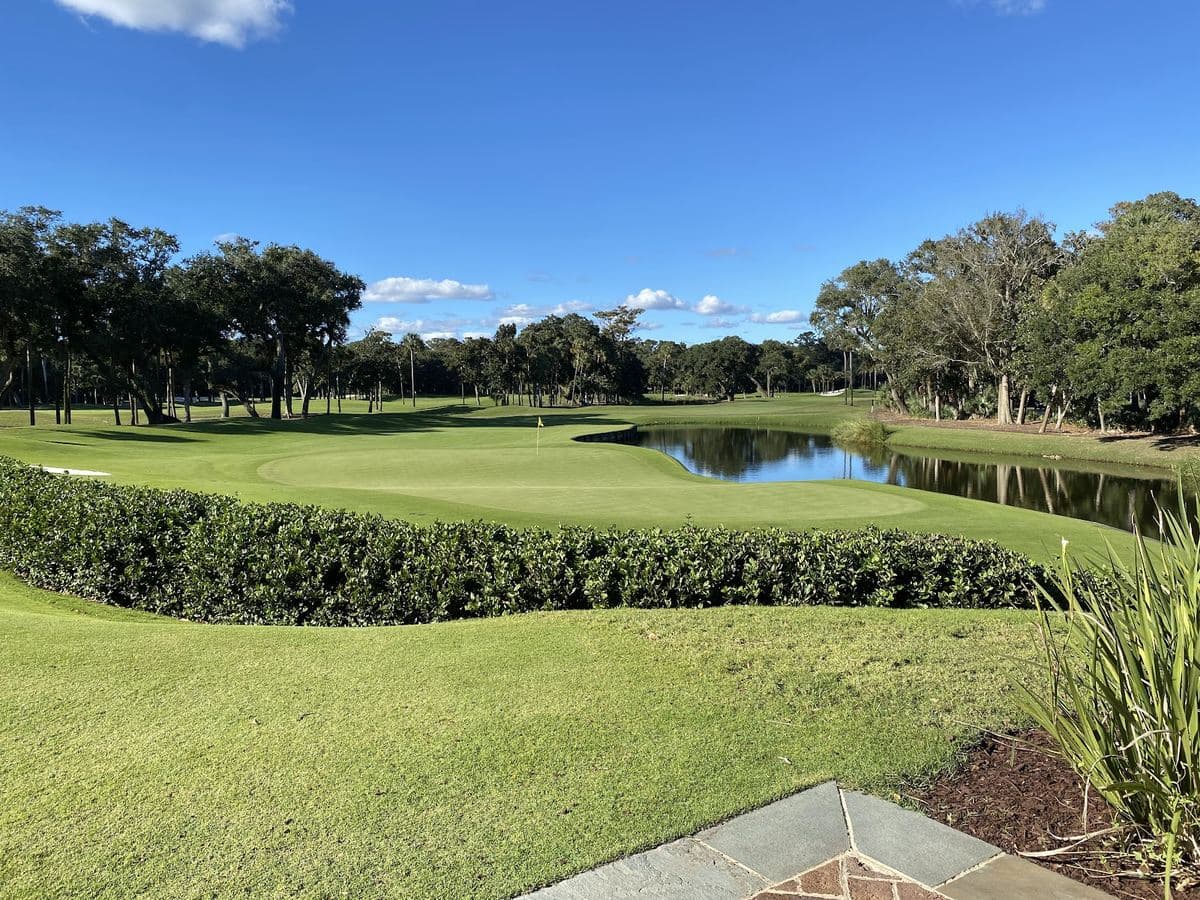
Cougar Point is accessible, pretty, and useful. It gives the group a softer Lowcountry round with enough marshland moments to feel like Kiawah without the Ocean Course therapy bill. The Kiawah River holes are the draw; the rest is competent resort golf.
Strengths
- Playable
- Scenic marsh moments
- Good casual-group fit
- Useful arrival/departure slot
- Better support role than its reputation suggests.
Weaknesses
- Supporting role only
- Less elite architecture
- Weak replay pull.
Put it in the right slot and everyone is happy. Oversell it and everyone notices.
Signature holes: 4, 6, 15, 18.
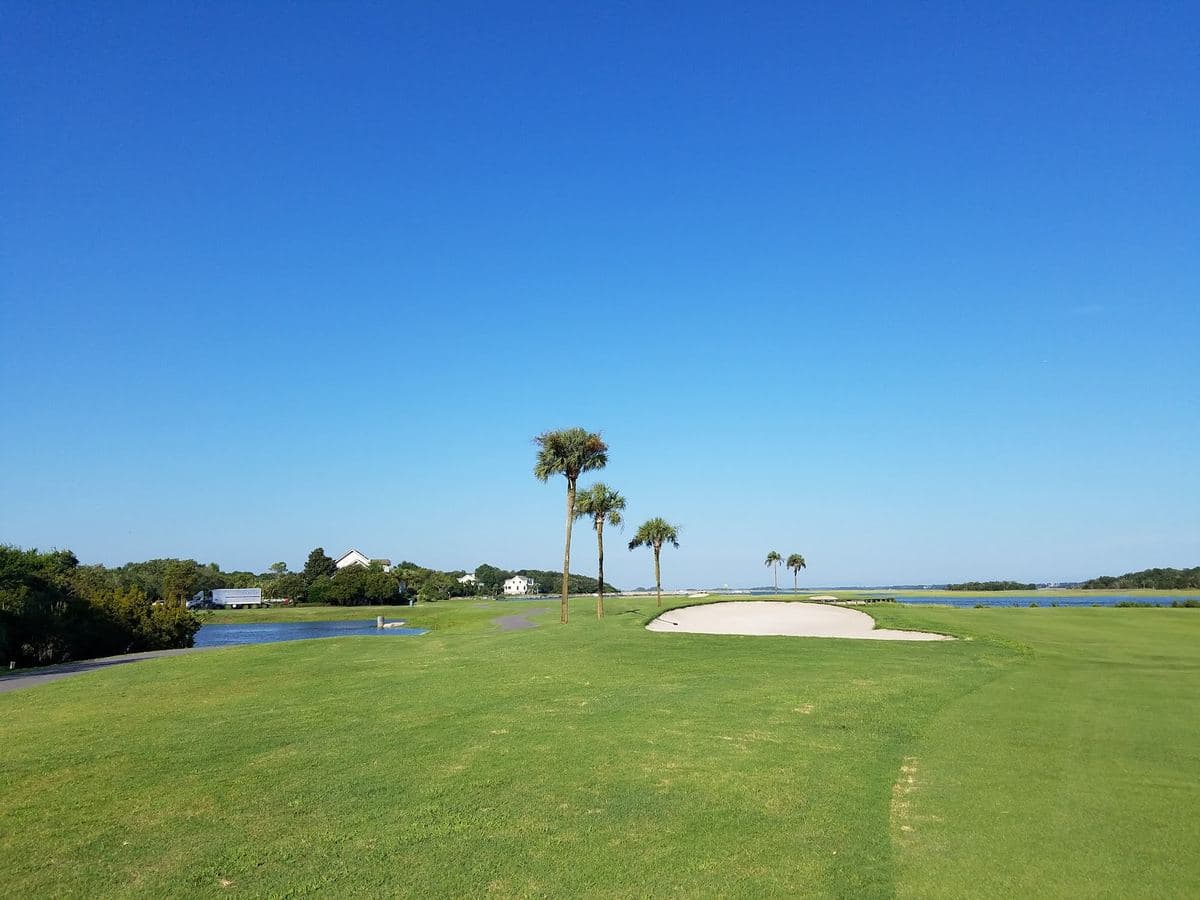
Strong play
Oak Point
- Designer
- Clyde Johnston
- Year
- 1989
- Par
- 72
- Yardage
- About 6,700 yds
- Difficulty
- Medium
- Green fees
- Published 2026 schedules put the four non-Ocean resort courses roughly in the $140-$250 range before tax depending on season/access; confirm direct.
Oak Point is useful resort depth. It works for arrival, departure, softer groups, and days when the group does not need another beating. It is also the first course to cut when time is tight.
Strengths
- Easier logistics
- Softer group fit
- Good value relative to the Ocean Course
- Useful pace-setter.
Weaknesses
- Not a destination draw
- Less memorable
- Should not displace Osprey or Turtle on a short trip.
Good utility round. Not the reason to choose Kiawah.
Signature holes: 6, 12, 15, 18.
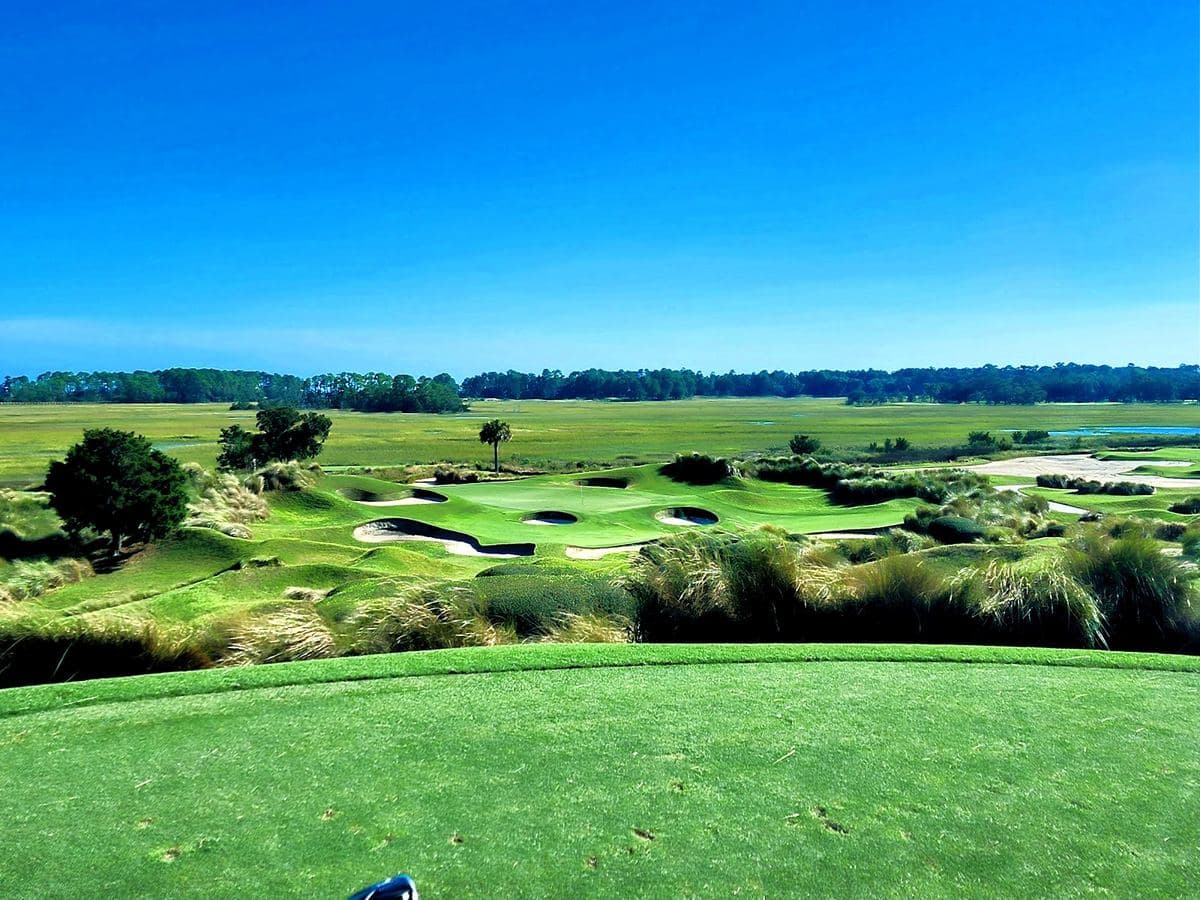
Strong play
Cassique
- Designer
- Tom Watson
- Year
- 2000
- Par
- 72
- Yardage
- About 6,960 yds
- Difficulty
- Medium-high
- Green fees
- Private club / access-dependent.
Cassique is the Kiawah-area course many public-trip planners miss because it is not part of the normal resort rotation. If your group has member access, it changes the ceiling of the trip. If not, do not build an itinerary around a locked door.
Strengths
- Private-club ceiling
- Watson design
- Distinctive Lowcountry links feel
- Raises the trip's quality fast.
Weaknesses
- Access-dependent
- Not a normal public itinerary piece
- Can complicate planning.
Major upgrade if access is real. Fantasy if it is not.
Signature holes: 5, 10, 15, 18.
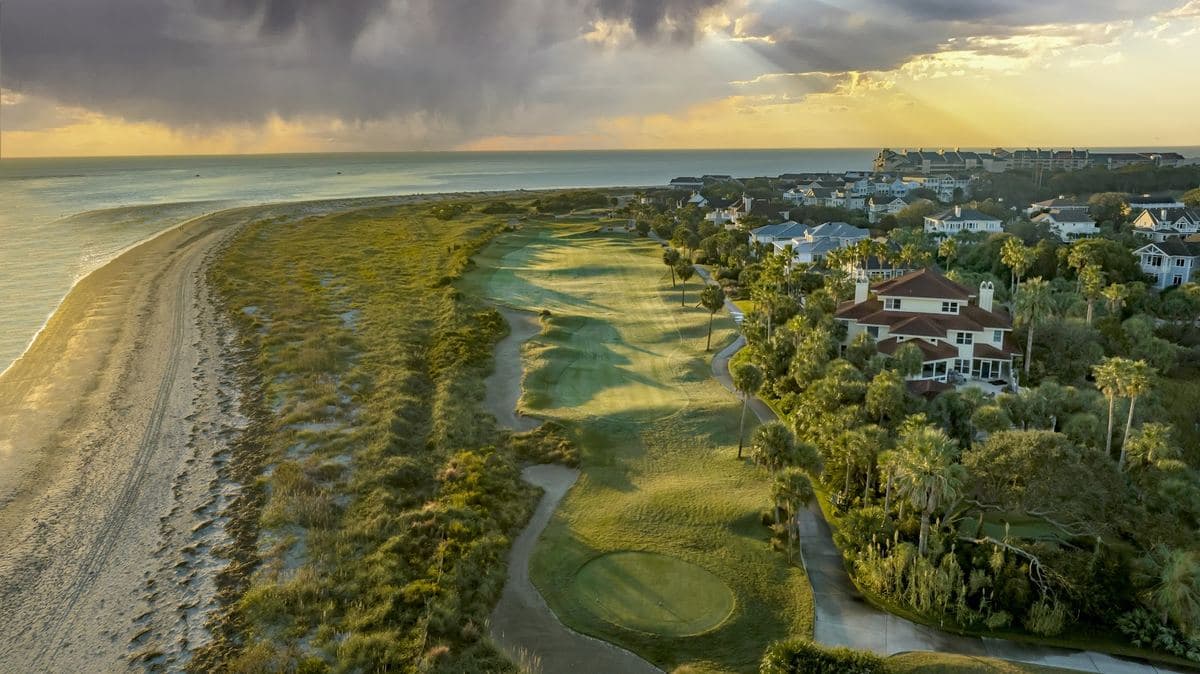
Strong play
Wild Dunes Links
- Designer
- Tom Fazio
- Year
- 1980
- Par
- 70
- Yardage
- About 6,700 yds
- Difficulty
- Medium
- Green fees
- Resort/public rates vary; confirm current Wild Dunes pricing.
Wild Dunes Links is a smart play only if the trip is Charleston- or Isle of Palms-forward rather than Kiawah-only. It gives you another coastal resort setting without committing every night to Kiawah, but it is not worth dragging a Kiawah resort trip across Charleston by itself.
Strengths
- Charleston fit
- Coastal resort character
- Good variety if staying off-island.
Weaknesses
- Drive from Kiawah
- Less essential than Ocean/Osprey
- Variable value by rate.
Useful for Charleston-based trips. Not worth leaving Kiawah for by itself on a short resort stay.
Signature holes: 6, 16, 17, 18.
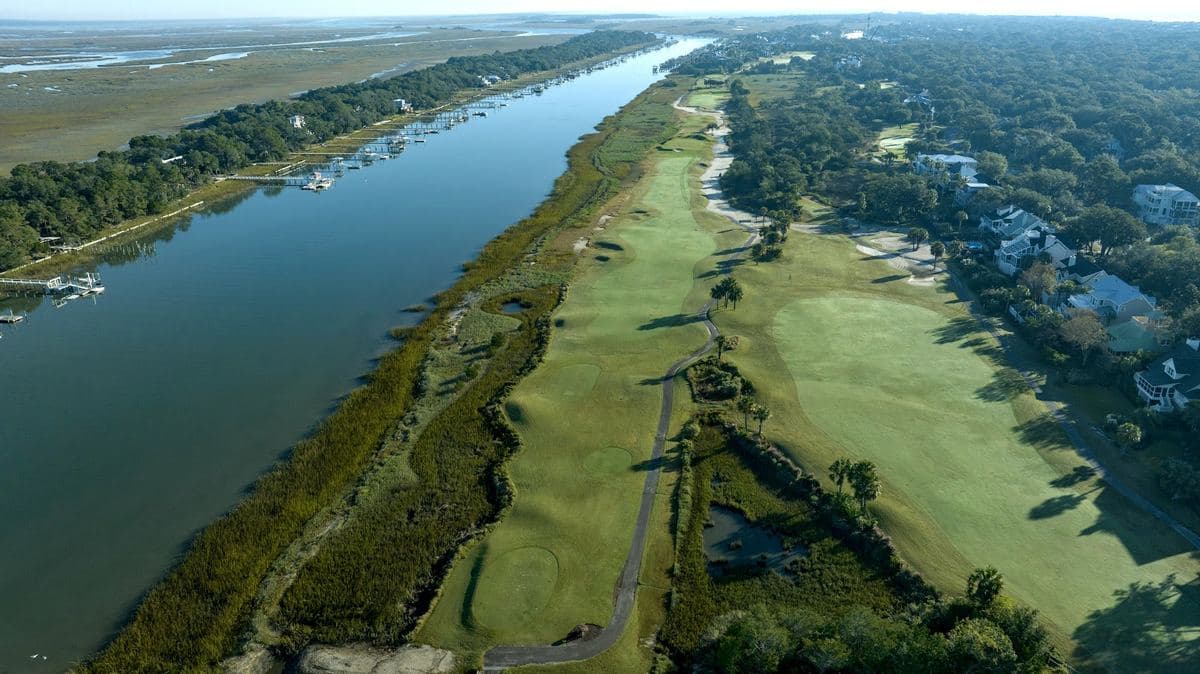
Strong play
Wild Dunes Harbor
- Designer
- Tom Fazio
- Year
- 1980
- Par
- 70
- Yardage
- About 6,300 yds
- Difficulty
- Medium
- Green fees
- Resort/public rates vary.
Harbor is useful when staying at Wild Dunes. It is not a reason to leave Kiawah by itself.
Strengths
- Convenient Wild Dunes add-on
- Playable
- Useful extra round.
Weaknesses
- Limited destination identity
- Less memorable
- Not worth a special trip from Kiawah.
Good local support, not a headliner.
Signature holes: 9, 17, 18.
Strong play
Charleston Municipal Golf Course
- Designer
- Original municipal course; Troy Miller renovation
- Year
- 1929 / renovated 2020
- Par
- 71
- Yardage
- About 6,400 yds
- Difficulty
- Medium
- Green fees
- Public municipal rate; confirm current city pricing.
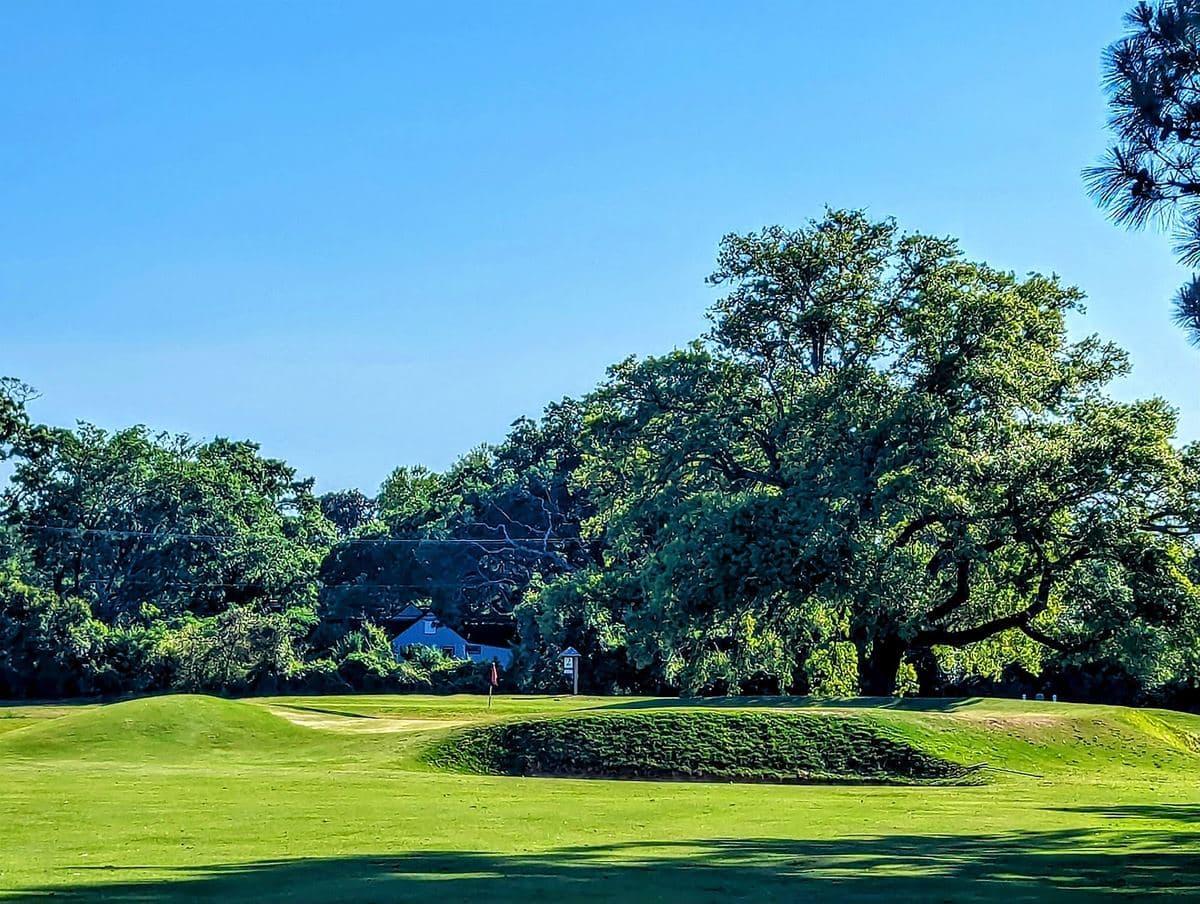
Charleston Muni is not a luxury add-on. That is the point. The Troy Miller renovation gave the city course a template-hole vocabulary and actual identity, not just cheaper green fees. It gives a Charleston-forward trip a smart, local, lower-cost round and keeps the itinerary from becoming wall-to-wall resort pricing.
Strengths
- Local character
- Value
- Restored municipal charm
- Easy Charleston fit
- More architectural interest than the price suggests.
Weaknesses
- Not luxury
- Variable public-course expectations
- Limited trophy value.
Great arrival/departure or value round if staying in Charleston. Better than forcing another anonymous public course into a Kiawah trip.
Signature holes: 5, 11, 13, 18.
Strong play
Stono Ferry
- Designer
- Ron Garl
- Year
- 1989
- Par
- 72
- Yardage
- About 6,800 yds
- Difficulty
- Medium
- Green fees
- Public daily-fee rate; confirm current pricing direct.
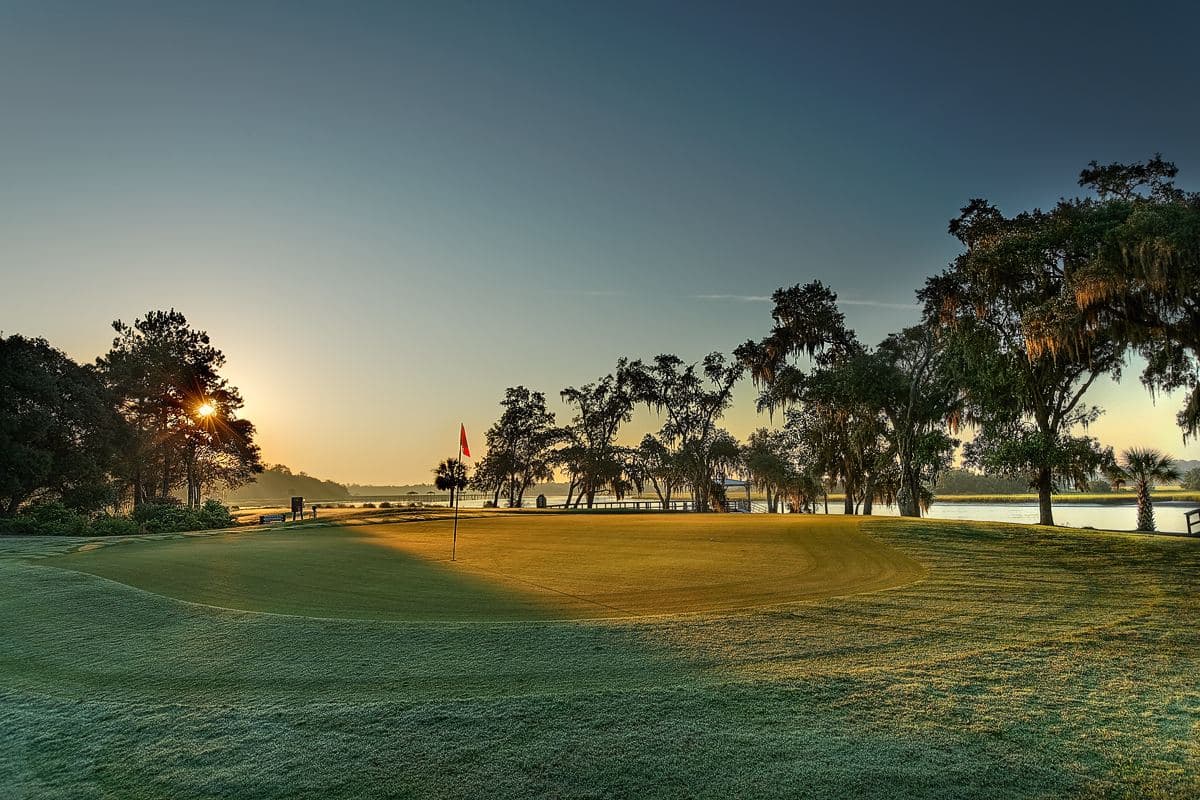
Stono Ferry gives a Charleston trip a practical public round with some Lowcountry scenery. Use it for value and convenience, not prestige.
Strengths
- Value
- Charleston convenience
- Scenic Lowcountry stretch.
Weaknesses
- Not resort-polished
- Less prestige
- Conditions and pace can matter.
Useful Charleston support. Not a Kiawah substitute.
Signature holes: 7, 9, 13, 18.
Where to stay, eat, and stray
Lodging
Where to stay
The Sanctuary
Kiawah villas / rental homes
Andell Inn / Freshfields base
Dining
Where groups actually eat
The Ryder Cup Bar
The Ocean Room
Jasmine Porch
Things to do
Beyond the golf
Beach
Best for: Couples, families, recovery Our take: Obvious and central. Use it. A sunrise beach bike ride is the best low-effort non-golf move on the island.
Charleston
Best for: History, restaurants, bars, and broader trip appeal Our take: The city is a real advantage, but the drive has to be respected. Charleston is a day/evening plan, not a casual "pop over" after 36.
Spa / resort time
Best for: Couples or mixed groups Our take: Strong enough to matter if non-golfers are involved.
Planning mechanics
Logistics
Flights, driving, walking
Flights
Charleston International Airport (CHS): best commercial airport, roughly 45-60 minutes to Kiawah depending on traffic, plus extra time to the Ocean Course clubhouse. Charleston Executive Airport (JZI): useful private aviation option on Johns Island, much closer to the Kiawah gate.
Ground transportation
Rent cars or arrange transportation. If staying on Kiawah, movement is easy once settled. If staying in Charleston, plan the Ocean Course day like a real transfer, not a casual hop. Rideshare can be thin inside the island; pre-arrange airport returns if timing matters.
Walking
Walk the Ocean Course with caddies if the group can handle it. Kiawah says walking caddies are not mandatory, but they are the smart play. Carts are allowed only in June, July, and August after 10am and require forecaddies. The other resort courses are more cart-friendly and better for mixed-skill pacing.
Weather
When the trip works best
Best window
Late October-November, then April-May.
Summer reality
Hot, humid, storm risk, and premium beach demand.
Hurricane season
June through November, with peak risk late summer into early fall.
Planning ranges
Cost and value levers
Ocean Course
$$$$ - Published 2026 schedules show roughly $285-$485 before tax and caddie gratuity depending on season/access.
Other Kiawah courses
$$$ - Published 2026 schedules show roughly $140-$250 before tax depending on season/access.
Charleston-area golf
$$-$$$ - Wild Dunes, Charleston Muni, Stono Ferry broaden the budget range.
Itinerary builder
Build your itinerary
The sample on the right is an illustrative Streamsong example.
It is meant to show the depth and shape of a real plan. Build your own around your group, dates, rounds, lodging, dining, and travel timing.
Illustrative sample output
Streamsong in 3 Days: 4 Rounds, Mixed Group
3 nights at Streamsong Lodge covering all 3 courses plus a repeat of whichever lands best with the group. With a mixed-skill group and a social thread running through the trip, the sequencing matters: start approachable, build toward bold, and protect evenings for the group to decompress together.
Recommendation
Start with Red to set the right tone for mixed players, not Black. Black's scale can deflate weaker players early and that poisons the rest of the trip.
Day 1
Morning: Arrive, check in to Streamsong Lodge, and get settled without rushing. Arrival timing is unknown, so do not force a same-day round.
Afternoon: If arriving early-to-midday, use the practice facilities to shake off travel; skip forcing an afternoon round on an unknown schedule.
Evening: Make this the nicer dinner night. Gather the group, debrief the plan, and use the evening to build energy for the heavy golf days ahead.
Insider note: Day 1 is the setup day, not a golf day. Burning a round here on travel legs is the most common mistake groups make at Streamsong.
Day 2
Morning: Tee off on Streamsong Red first thing. It is the most balanced course and the right anchor for a mixed-skill group on fresh legs.
Afternoon: Afternoon round on Streamsong Blue. It is more open and wind-affected, which rewards better players while staying manageable enough for the group.
Evening: Keep dinner casual and on property. Two rounds is a full day and the group needs to recover, not power through a production.
Insider note: Red in the morning lets the group settle in before Blue asks harder questions in the afternoon wind.
Day 3
Morning: Play Streamsong Black. Use it as the bold contrast round the guide describes, not as the centerpiece, and set expectations accordingly for higher-handicap players.
Afternoon: Replay the course that resonated most with the group. Red is the likely call for mixed groups, Blue for stronger players who want another look.
Evening: Final evening on property. Keep it relaxed since departure timing is unknown and no one should be grinding through dinner logistics.
Insider note: Black is the experience round, not the best round. Frame it that way for the group before the first tee so no one is quietly disappointed by the rougher edges.
Tradeoffs
Four rounds in two full golf days is aggressive but workable at a comfortable pace. The plan keeps Day 1 golf-free to protect legs and group cohesion rather than chasing a fifth round nobody would enjoy.
Black is scheduled for Day 3 morning rather than being skipped. It adds useful contrast and a memorable moment, but it was deliberately placed after the group already has two courses under its belt rather than as an opener.
The nicer dinner was placed on Day 1 rather than a golf day. This protects energy on the days that matter and gives the group something to build toward without splitting a long golf day around a formal meal.
Book first
Book all four tee times at Streamsong before lodging fills. The property manages its own tee sheet and availability tightens fast in peak season.
Confirm Streamsong Lodge rooms for all three nights in a single block. A small group of 3-4 makes this manageable, but winter weekends can still book out early.
Arrange caddies for at least Red and Blue if the group is open to walking. First-time looks benefit significantly from local knowledge on both courses.
Watchouts
Two rounds on Day 2 is the heaviest ask of the trip. If anyone in the mixed group is a high-handicapper or infrequent player, build in flexibility to skip the afternoon Blue round rather than grinding through it.
Streamsong is genuinely remote and there is no nightlife option off property. Groups expecting energy beyond the lodge bar will be disappointed, and that expectation gap kills trip morale faster than a bad round.
Black's scale and difficulty can frustrate less experienced players, especially after already playing 36 holes the day before. If the group's weakest player struggled on Day 2, consider swapping Black for a Red replay.
LodgingExpandClose
Overall lodging take: Stay on Kiawah if the Ocean Course is the trip. Stay closer to Charleston if restaurants, nightlife, and city time matter. Trying to have both every night is how you spend too much time in a car. Resort-managed villas matter because they preserve the golf-access advantage; private rentals can save money, but the Ocean Course booking window is the trade.
Luxury resort hotel
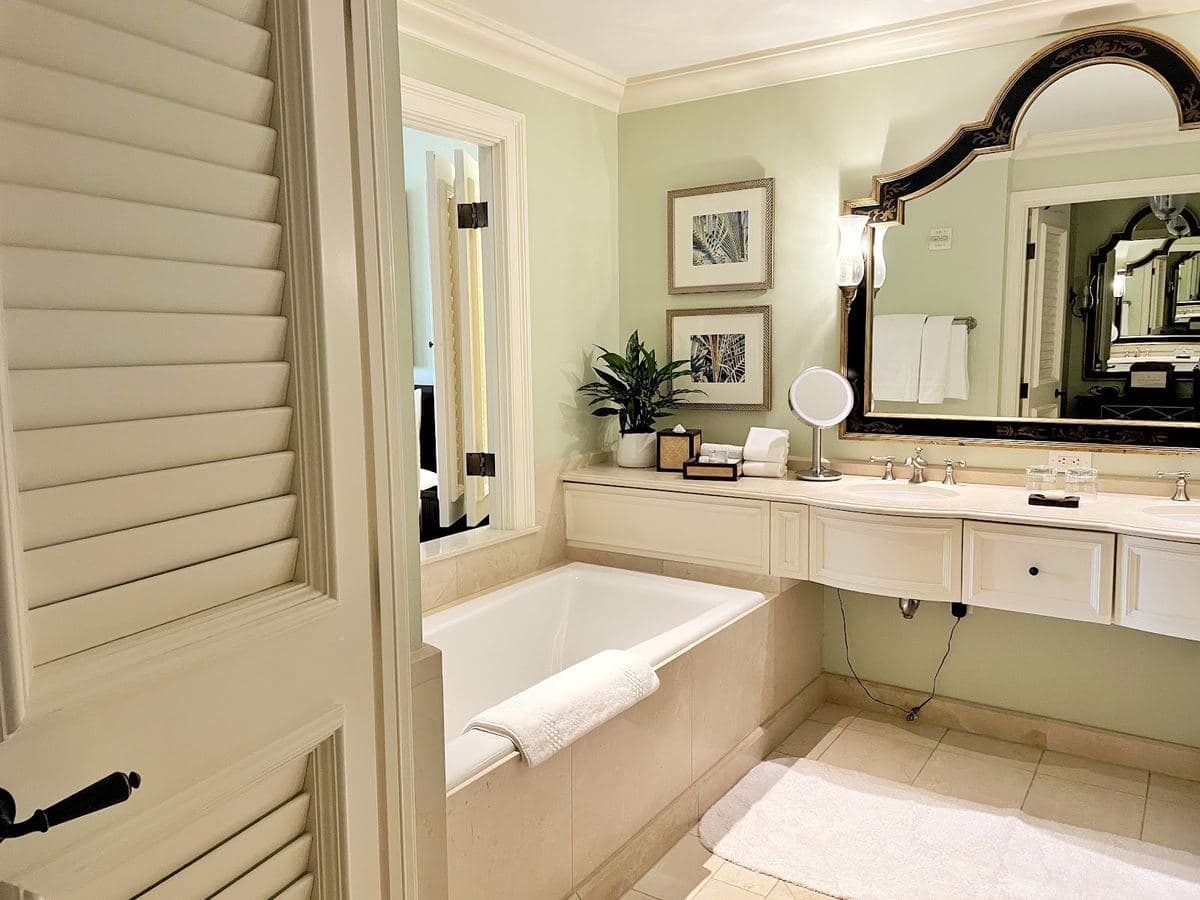
The Sanctuary
Best for: Couples, luxury trips, Ocean Course focus
Cost: Very high, especially spring/fall peak and premium summer weeks; confirm current resort/package pricing.
Pros
Luxury; service; beach; resort access; strong for couples and premium groups; best tee-time leverage.
Cons
Expensive; quiet; not the best fit for rowdy buddy groups; resort F&B pricing adds up.
Villas and houses
Kiawah villas / rental homes
Best for: Families and buddy groups
Cost: Wide range by size, location, and season.
Pros
Space; group hang; beach access; better per-person economics for larger groups; can keep resort golf privileges if booked through Kiawah.
Cons
Quality varies; planning required; less hotel-service polish; private rentals weaken tee-time access.
Village hotel
Andell Inn / Freshfields base
Best for: Groups wanting Kiawah access with slightly less resort immersion
Cost: Seasonal hotel rates; confirm current pricing.
Pros
Easier cost; near shops/restaurants; still close to Kiawah.
Cons
Less beach/resort feel; still requires course transportation.
City lodging
Charleston hotel base
Best for: Golf plus dining/nightlife
Cost: Wide range; premium weekends get expensive.
Lodging verdict: Kiawah-first groups should stay on Kiawah. Charleston-first groups should stay in Charleston and treat Ocean as the big day. Half-committed plans are the problem.
Pros
Restaurants; nightlife; broader trip appeal; easier for mixed groups.
Cons
Kiawah drive; less resort immersion; tee-time timing matters.
DiningExpandClose
Overall dining take: Kiawah dining is good. Charleston dining is better and now more reservation-sensitive after the Michelin Guide's American South debut. That is the strategic decision: one premium Kiawah dinner, then decide whether the group is willing to drive for Charleston's ceiling.
Ocean Course clubhouse / post-round
The Ryder Cup Bar
Best for: Post-Ocean Course debrief
Pros
Location; views; porch over the 18th; exactly where you want to be after Ocean.
Cons
Resort pricing; tied to tee-sheet flow.
Fine dining / steakhouse
The Ocean Room
Best for: Premium resort dinner
Pros
Polished; premium; convenient for Sanctuary guests.
Cons
Expensive; formal; not needed every night.
Southern resort dining
Jasmine Porch
Best for: Comfortable resort dinner or breakfast
1 Sanctuary Beach Dr, Kiawah Island, SC 29455, USA
Monday: 6:30 – 11:00 AM, 11:30 AM – 2:00 PM, 5:30 – 9:00 PM
Pros
Convenient; Lowcountry angle; good for mixed groups.
Cons
Resort bubble pricing; less memorable than Charleston's best restaurants.
Ocean Course dinner
The Atlantic Room
Best for: Ocean Course night
Pros
Setting; easy after Ocean; polished resort meal.
Cons
Premium pricing; limited reason to repeat.
Resort BBQ / clubhouse
Cherrywood BBQ & Ale House
Best for: Casual dinner after Osprey Point
Pros
Easy after Osprey; good group fit; more personality than generic resort casual.
Cons
Still resort pricing; not a substitute for a Charleston BBQ run.
Casual and off-island dining
Freshfields / Johns Island
Best for: Lower-friction nights outside the resort bubble
Pros
Easier than Charleston; better variety; good villa-house support.
Cons
Still requires a car; not the full Charleston food scene.
City dining
Charleston restaurants
Best for: Serious food and nightlife
Dining verdict: If staying on Kiawah, plan one premium resort dinner and keep the rest easy. If staying Charleston, build the food plan first and do not pretend the drive disappears.
Pros
Excellent depth; real city energy; better food ceiling.
Cons
Drive from Kiawah; reservations matter; Michelin attention has made the top tables harder; can sabotage morning golf.
Other things to doExpandClose
Overall take: Kiawah has more non-golf value than most golf-first places. The trick is deciding whether the trip is beach/resort or Charleston/city.
Beach
Best for: Couples, families, recovery Our take: Obvious and central. Use it. A sunrise beach bike ride is the best low-effort non-golf move on the island.
Charleston
Best for: History, restaurants, bars, and broader trip appeal Our take: The city is a real advantage, but the drive has to be respected. Charleston is a day/evening plan, not a casual "pop over" after 36.
Spa / resort time
Best for: Couples or mixed groups Our take: Strong enough to matter if non-golfers are involved.
Fishing / boating
Best for: Lighter days and Lowcountry variety Our take: Makes sense if the group has a non-36-hole day. The Kiawah River, Bohicket Marina, and inshore redfish/trout/flounder charters give the trip useful Lowcountry texture.
Tennis / pickleball / resort sports
Best for: Mixed groups and non-golfers Our take: Kiawah is stronger here than most golf resorts. If spouses or families are involved, this matters.
Kiawah is better when you choose a lane. Resort calm or Charleston energy. Both are good. Ping-ponging is not.
LogisticsExpandClose
Closest airports
Charleston International Airport (CHS): best commercial airport, roughly 45-60 minutes to Kiawah depending on traffic, plus extra time to the Ocean Course clubhouse., Charleston Executive Airport (JZI): useful private aviation option on Johns Island, much closer to the Kiawah gate.
Commercial flights
Charleston International Airport (CHS): best commercial airport, roughly 45-60 minutes to Kiawah depending on traffic, plus extra time to the Ocean Course clubhouse. Charleston Executive Airport (JZI): useful private aviation option on Johns Island, much closer to the Kiawah gate.
Private aviation
Charleston Executive can materially reduce friction for premium groups and is especially useful for Kiawah-first trips.
Ground transportation
Rent cars or arrange transportation. If staying on Kiawah, movement is easy once settled. If staying in Charleston, plan the Ocean Course day like a real transfer, not a casual hop. Rideshare can be thin inside the island; pre-arrange airport returns if timing matters.
Walking / caddies
Walk the Ocean Course with caddies if the group can handle it. Kiawah says walking caddies are not mandatory, but they are the smart play. Carts are allowed only in June, July, and August after 10am and require forecaddies. The other resort courses are more cart-friendly and better for mixed-skill pacing.
WeatherExpandClose
Best window
Late October-November, then April-May.
Summer reality
Hot, humid, storm risk, and premium beach demand.
Hurricane season
June through November, with peak risk late summer into early fall.
| Metric | Jan | Feb | Mar | Apr | May | Jun | Jul | Aug | Sep | Oct | Nov | Dec |
|---|---|---|---|---|---|---|---|---|---|---|---|---|
| High | 59F | 62F | 68F | 75F | 82F | 88F | 91F | 89F | 84F | 76F | 68F | 61F |
| Low | 40F | 43F | 49F | 56F | 64F | 72F | 75F | 74F | 69F | 58F | 49F | 42F |
| Sun | Mixed | Mixed | Good | Best | Good | Hot | Hot | Hot | Good | Best | Good | Mixed |
| Clouds | Medium | Medium | Medium | Low | Medium | Medium | Medium | Medium | Medium | Low | Medium | Medium |
| Rain | Medium | Medium | Medium | Medium | Medium | High | High | High | High | Low | Medium | Medium |
Planning rangesExpandClose
Ocean Course
$$$$
Published 2026 schedules show roughly $285-$485 before tax and caddie gratuity depending on season/access.
Other Kiawah courses
$$$
Published 2026 schedules show roughly $140-$250 before tax depending on season/access.
Charleston-area golf
$$-$$$
Wild Dunes, Charleston Muni, Stono Ferry broaden the budget range.
Lodging
$$$-$$$$
The Sanctuary and Kiawah homes drive the spend; Charleston adds range.
Dining
$$-$$$$
Charleston can get expensive but raises the trip ceiling.
Best value lever
Base decision
Stay Kiawah for resort focus and Ocean Course access; stay Charleston/Freshfields for dining/social value.
Keep planning
What should you do next?
Use Kiawah Island as the starting point. Then compare, build, and ask the follow-up questions before the group locks anything in.
Ask smarter golf-trip questions
Get honest answers. Build smarter trips.
Pressure-test the trip, compare options, or ask what the page is not telling you yet.
Keep browsing
Other destinations
Keep the group honest by comparing this option against nearby peers and other trips with a similar purpose.
Southeast
Sea Island / Georgia
The polished Southern luxury golf trip: three resort courses, serious service, very good golf, and just enough restraint to avoid becoming a sales convention with better shoes.
Southeast
Lake Oconee / Georgia
A lake-house golf trip with real depth: convenient for the Southeast, polished enough for couples, and better on the course list than casual golfers realize.
Southeast
Myrtle Beach / South Carolina
America's maximum-volume golf machine: huge choice, real value, some terrific courses, and enough mediocre filler to punish lazy planning.
Southeast
TPC Sawgrass Ponte Vedra / Florida
The Stadium Course is the headline, but the right trip uses Ponte Vedra as a tight, premium Florida golf weekend instead of a one-photo pilgrimage.
Southeast
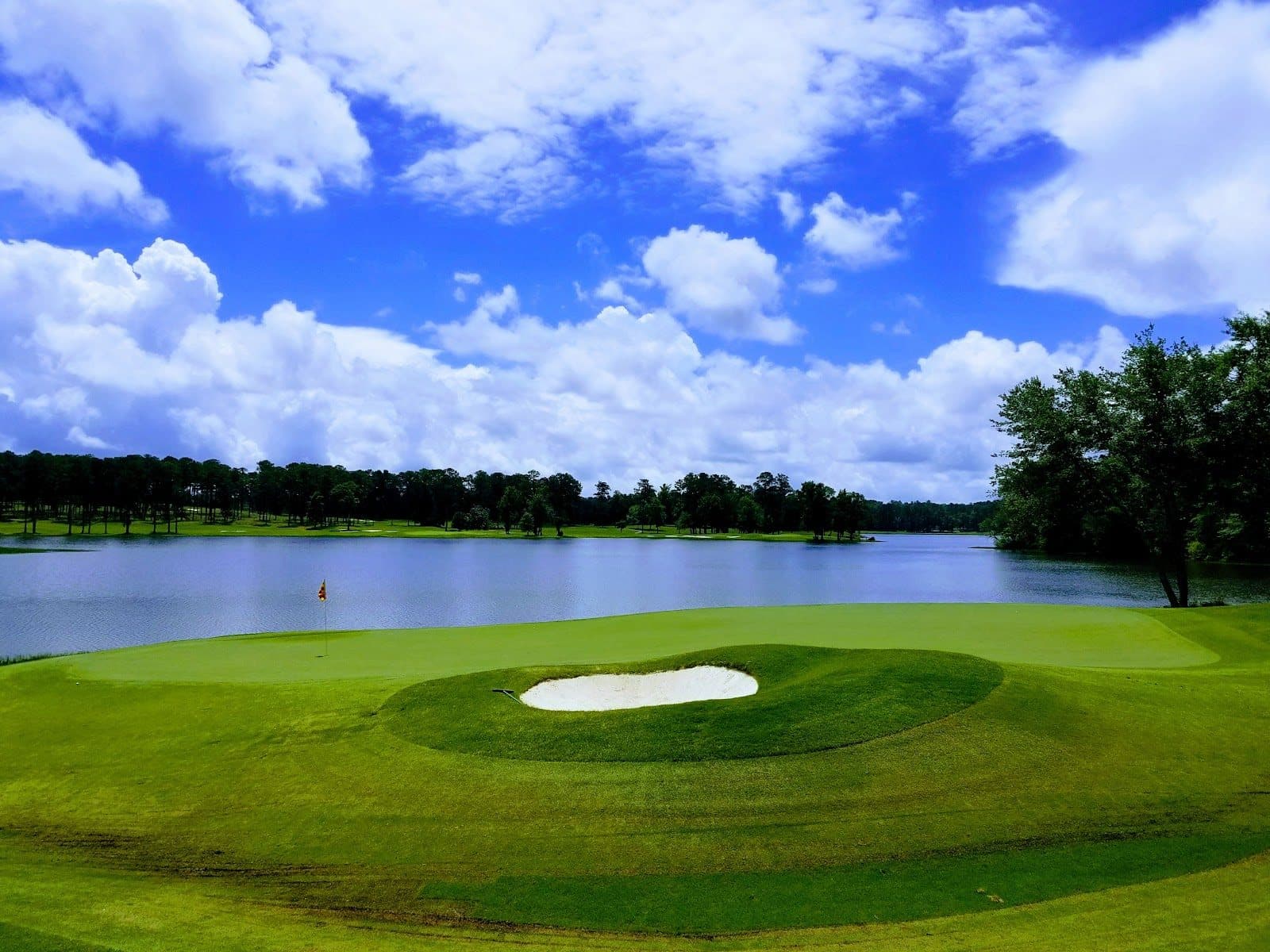
RTJ Trail / Alabama
The value-and-volume play: big courses, huge property scale, strong replay math, and very little patience for groups obsessed with boutique resort glamour.
Southeast
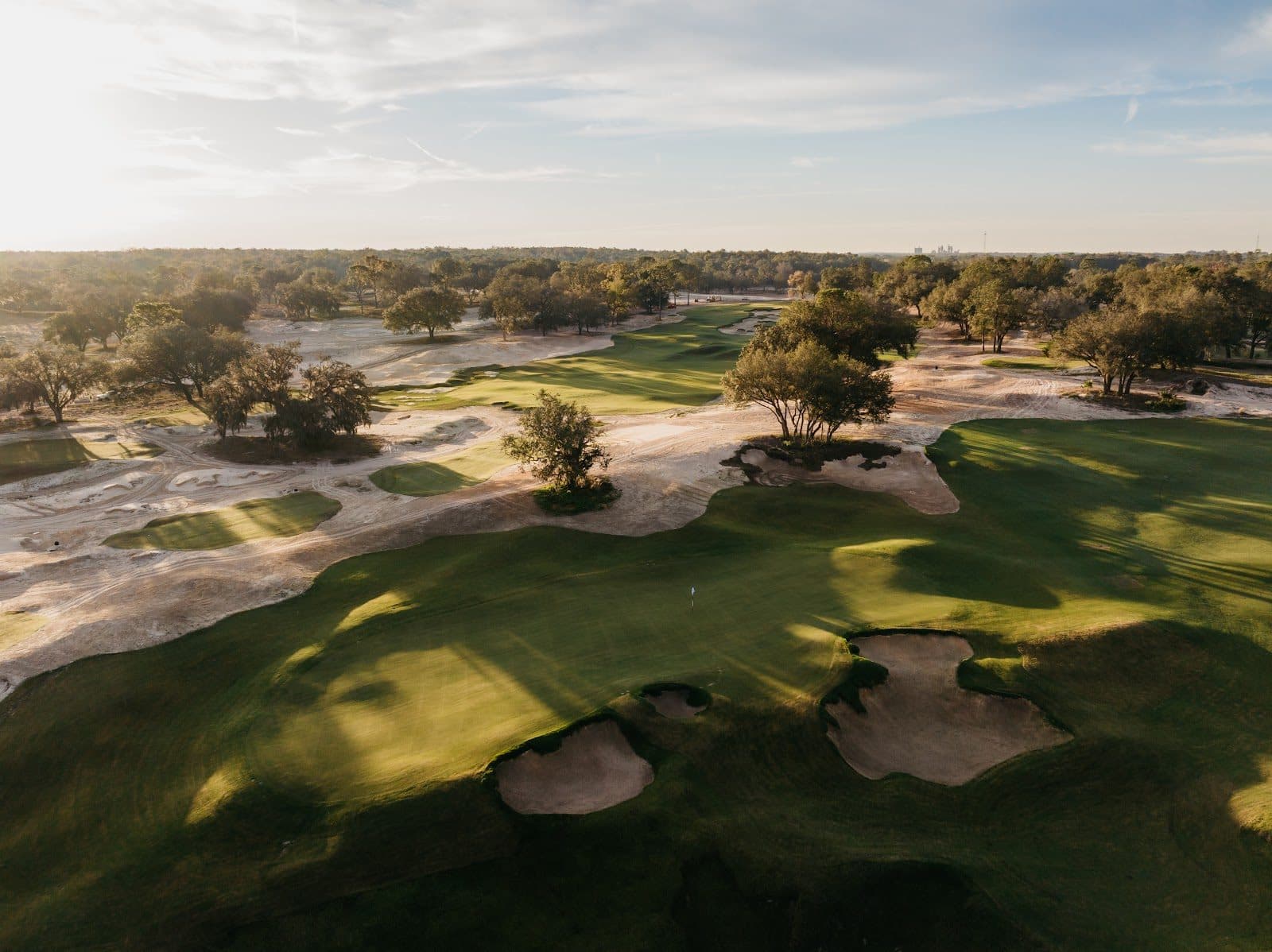
Cabot Citrus Farms / Florida
Cabot's Florida play: sandy, modern, golf-first, and a smarter winter alternative than another Orlando resort treadmill.
Southeast
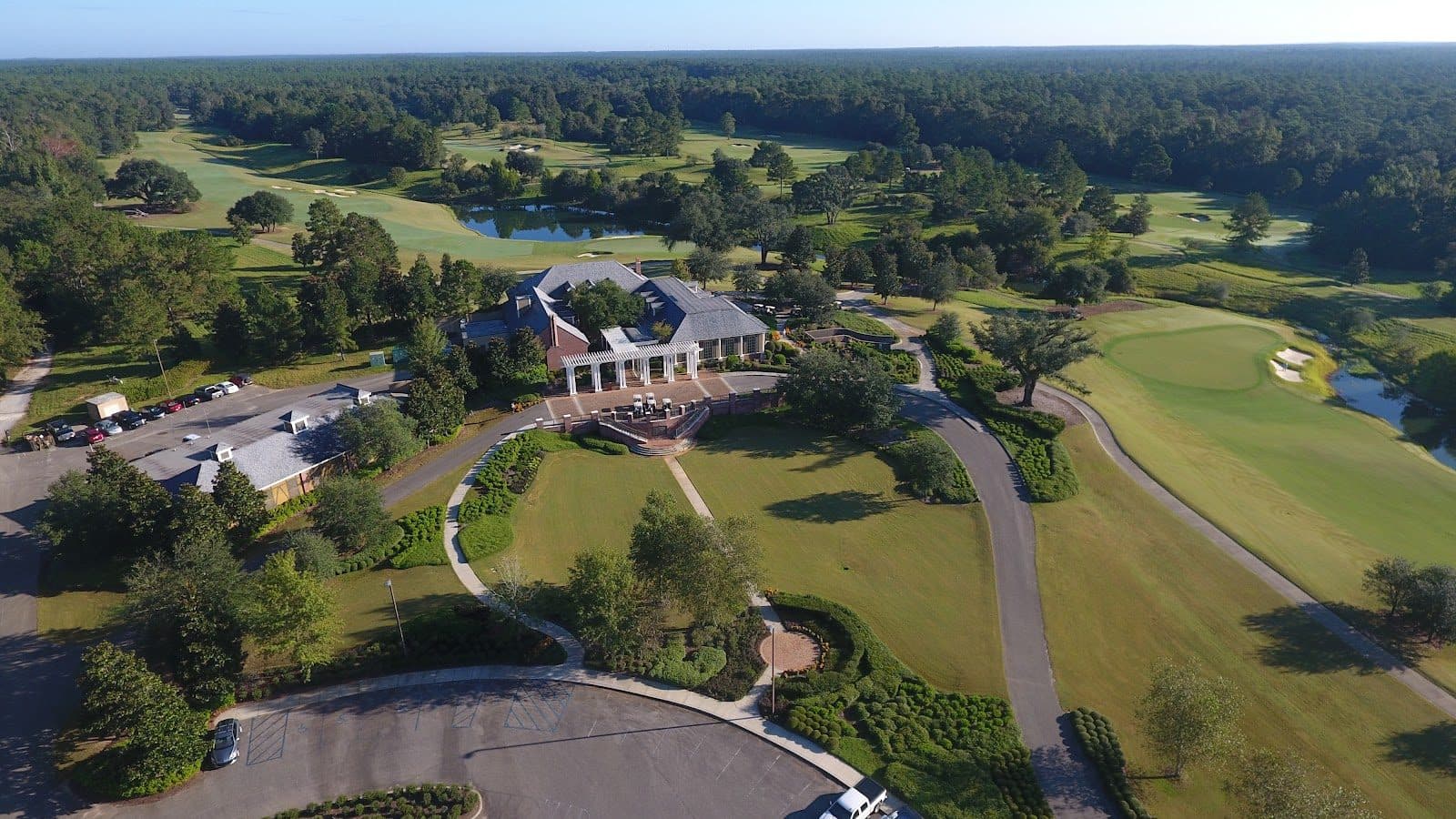
Mississippi Gulf Coast
Casino access and serious architecture: Fallen Oak and Mossy Oak lead, but the routing only works if you respect the geography.
Southeast
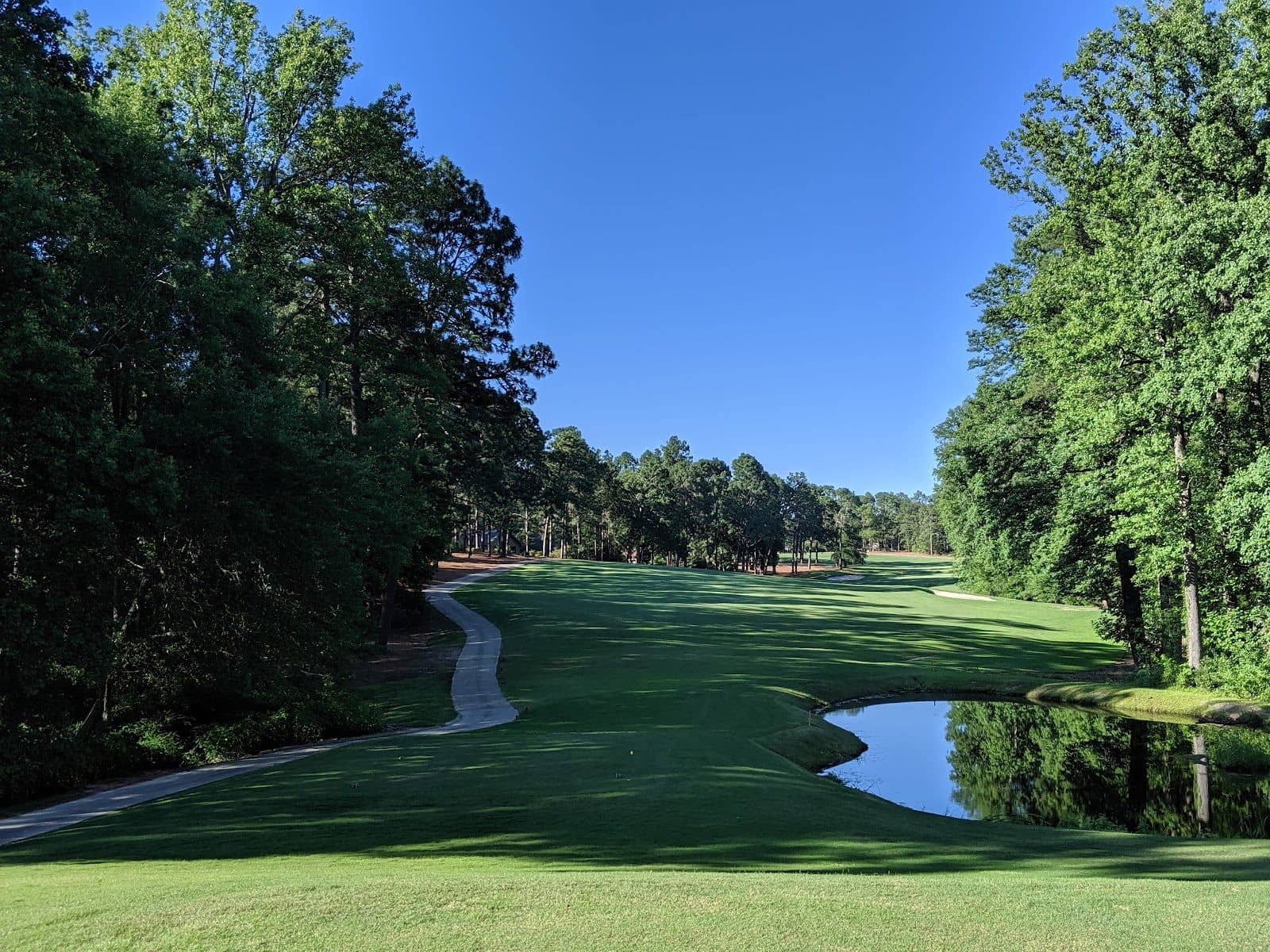
Pinehurst / North Carolina
The cradle of American golf, now with enough modern architecture to match the history.
Southeast
Southern Pines & Sandhills / North Carolina
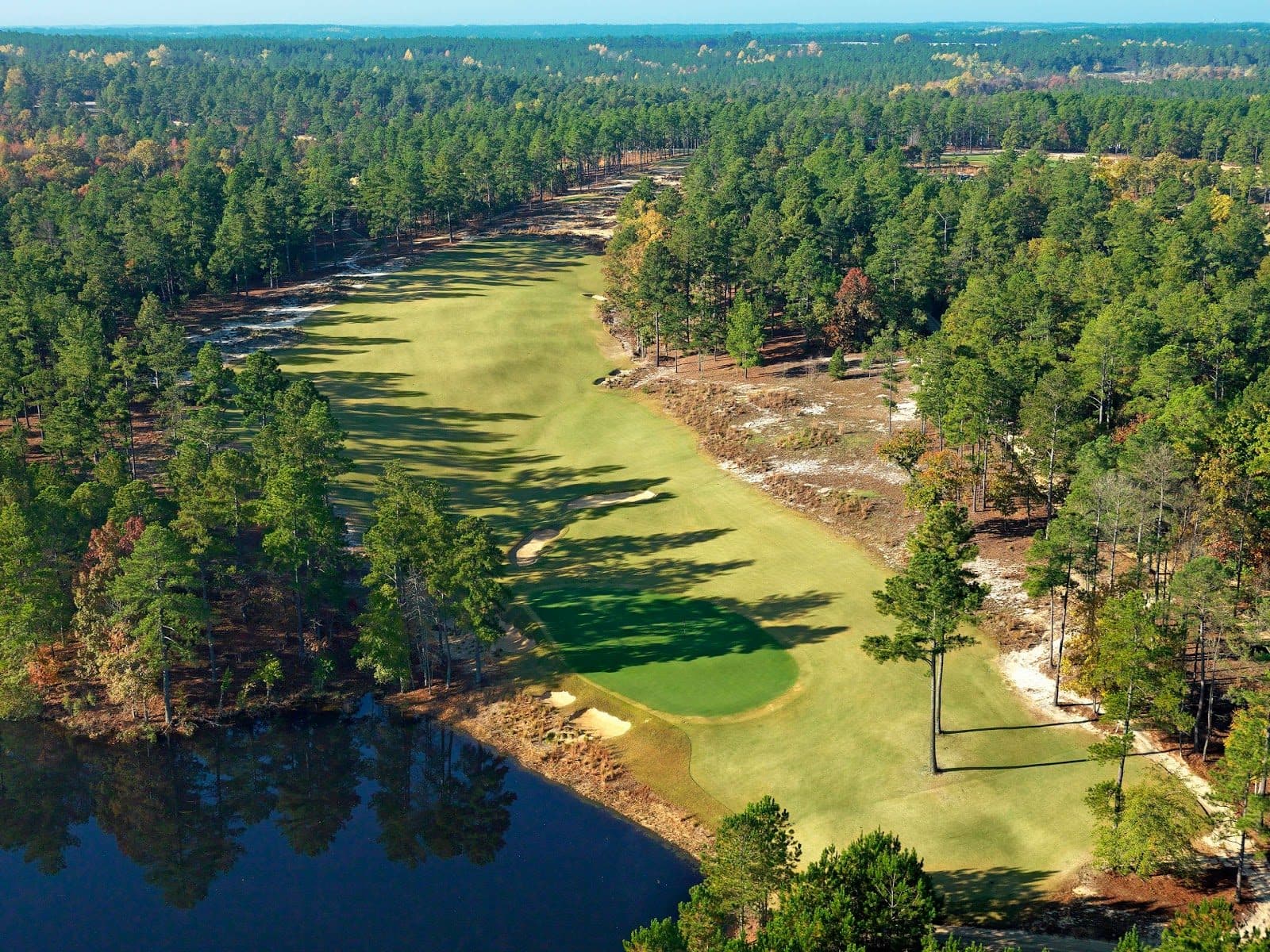
Public Donald Ross, Tobacco Road chaos, cottage-country lodging, and a less resort-contained Sandhills trip.
Southeast
Streamsong / Florida
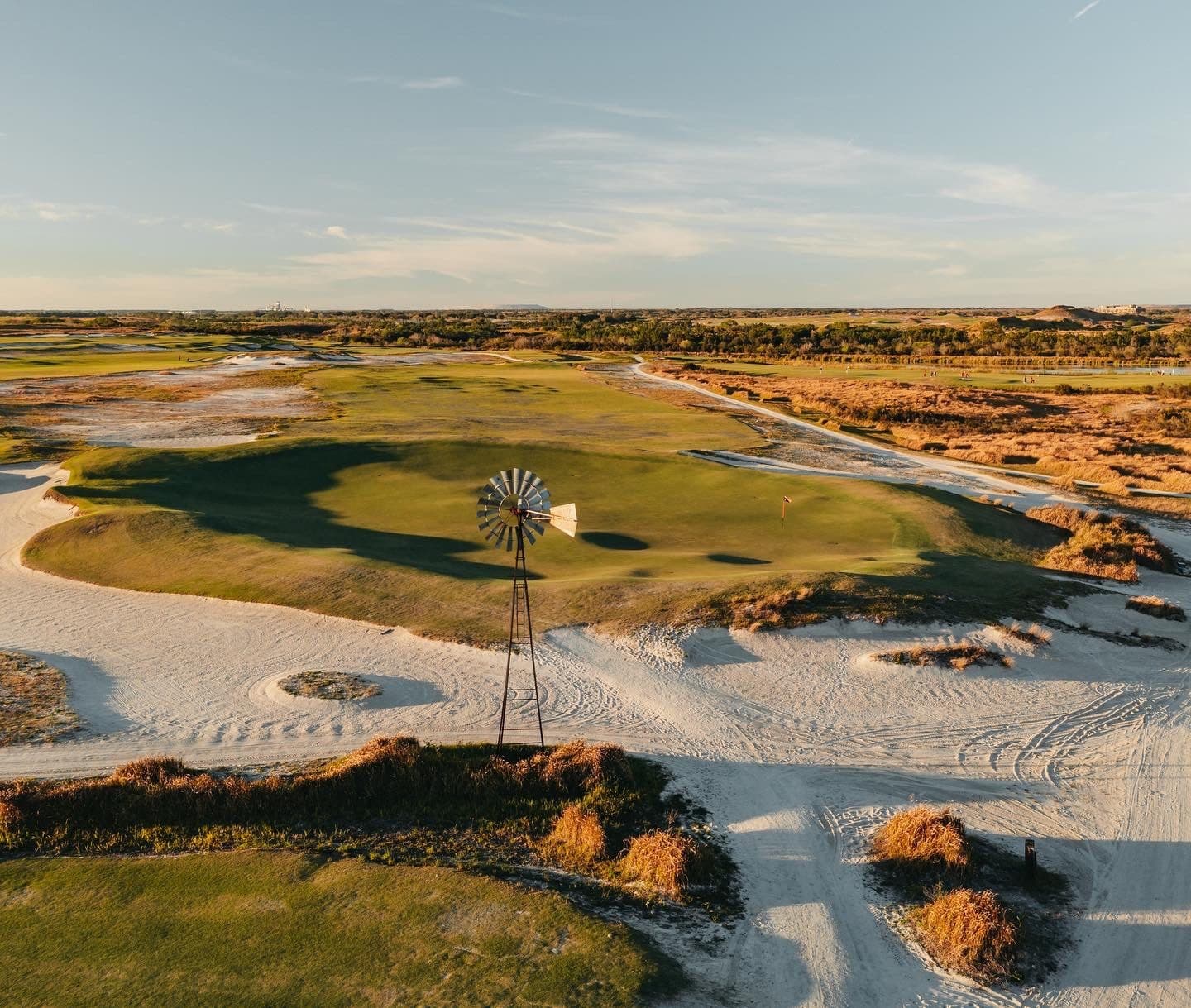
A remote, modern golf enclave in Florida - minimalist, strategic, and built purely for golf.
Southeast
Orlando / Florida
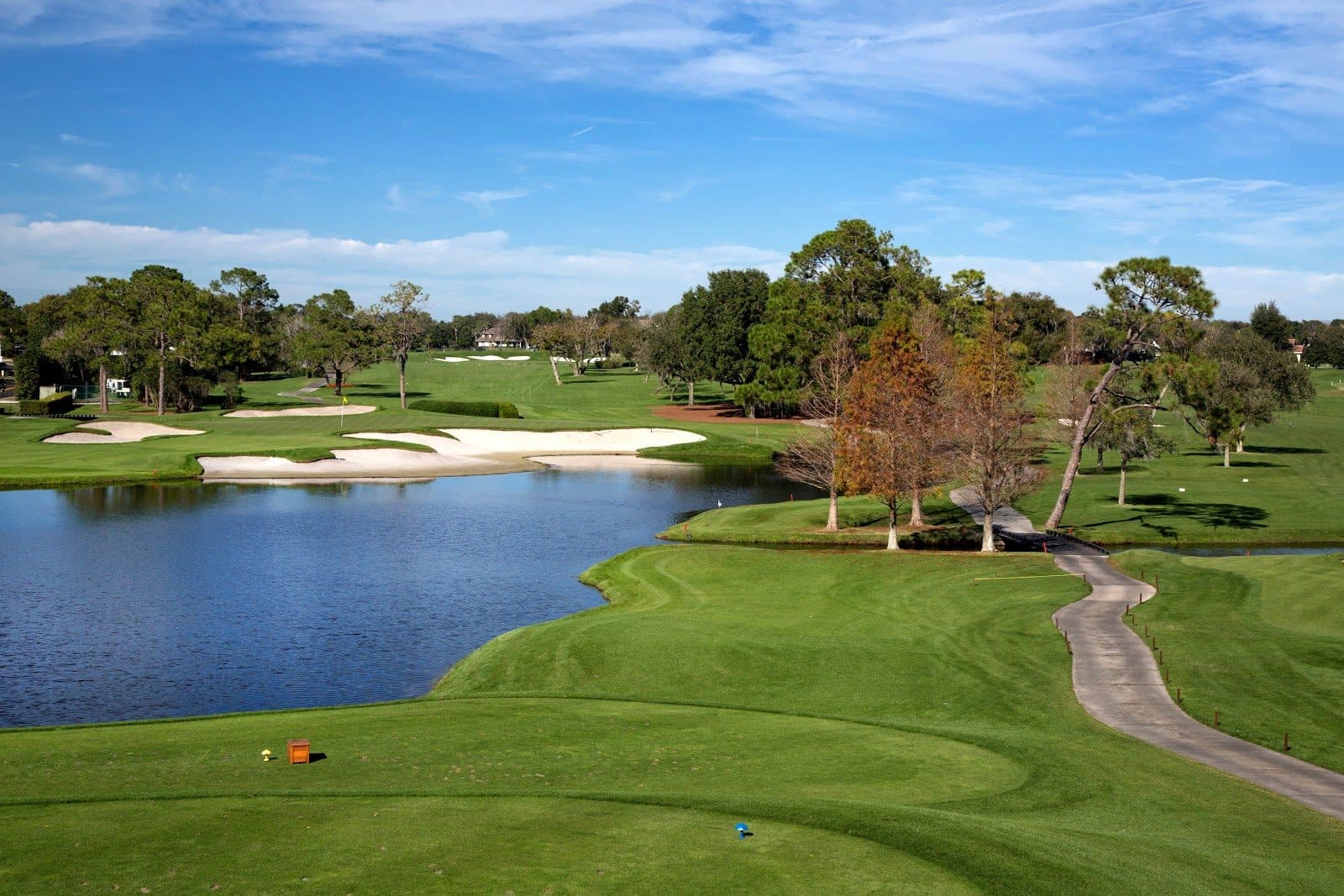
Deep course roster and easy logistics, but lacks a defining identity.
Southeast
Hilton Head / South Carolina
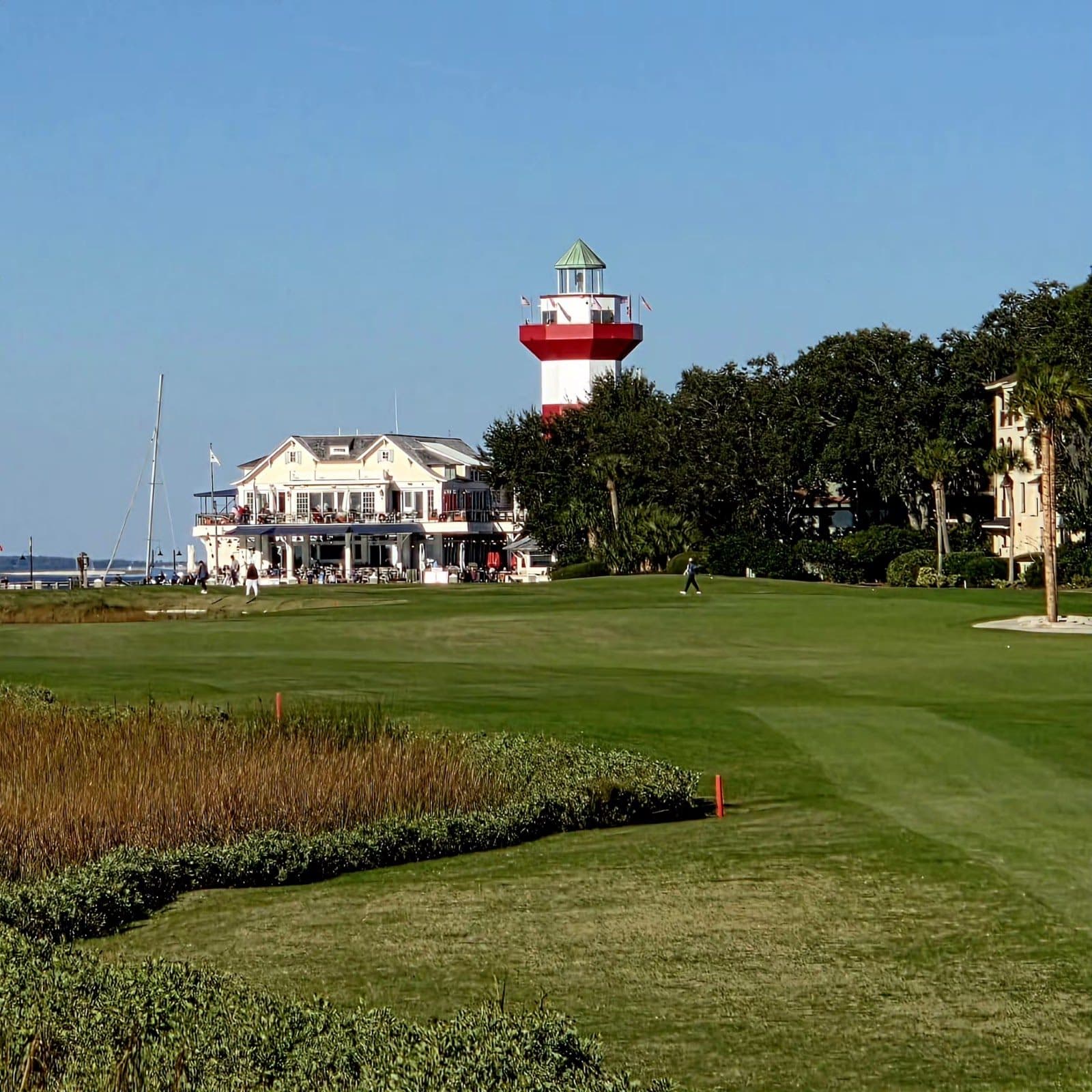
Easy, reliable golf trip with one iconic course and strong supporting options.
Southeast
South Florida
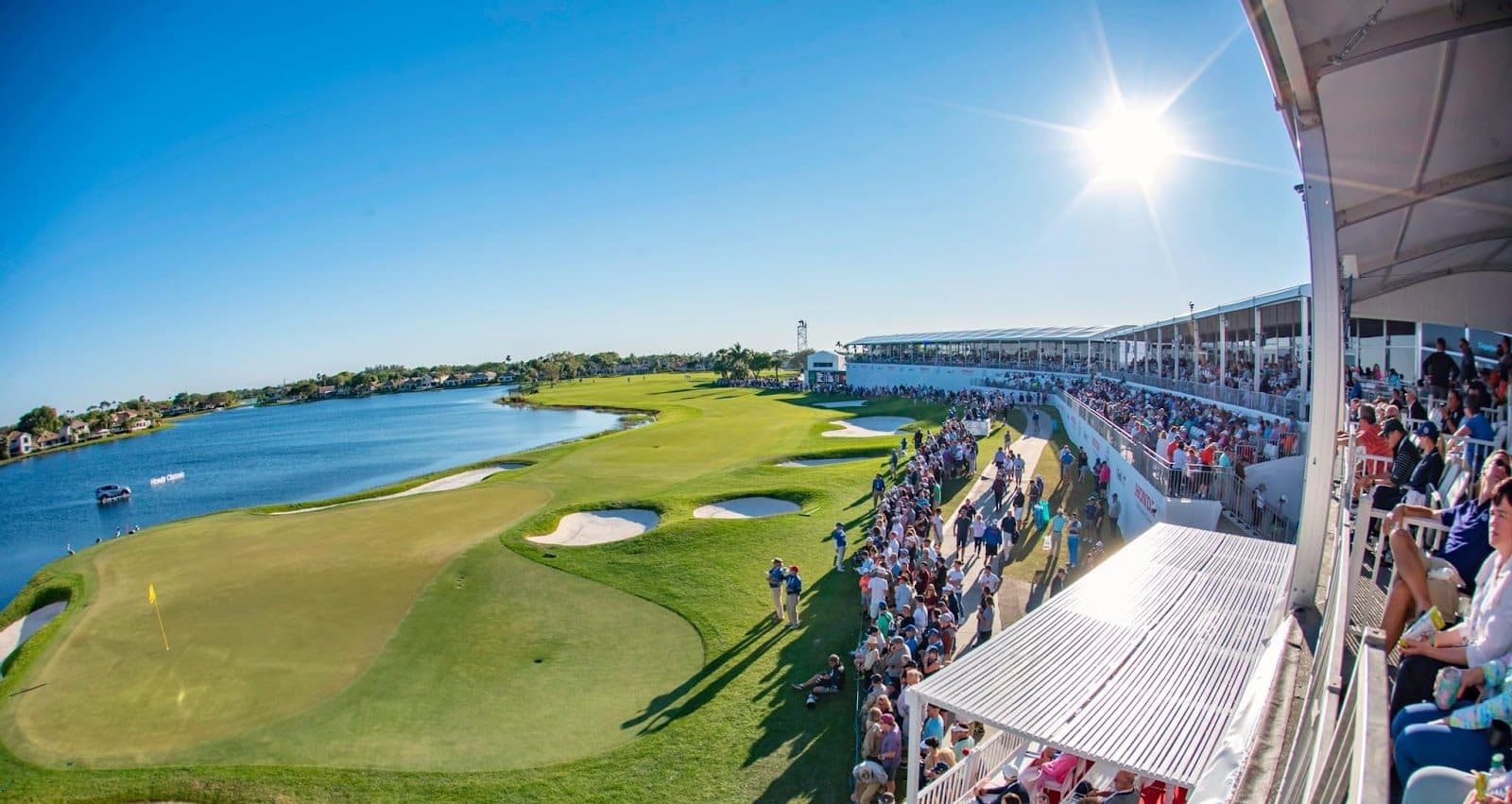
A high-polish Palm Beach-to-Miami golf trip with The Park, PGA National, Doral, resort comfort, and city-lifestyle upside.
Southwest
Frisco / Texas
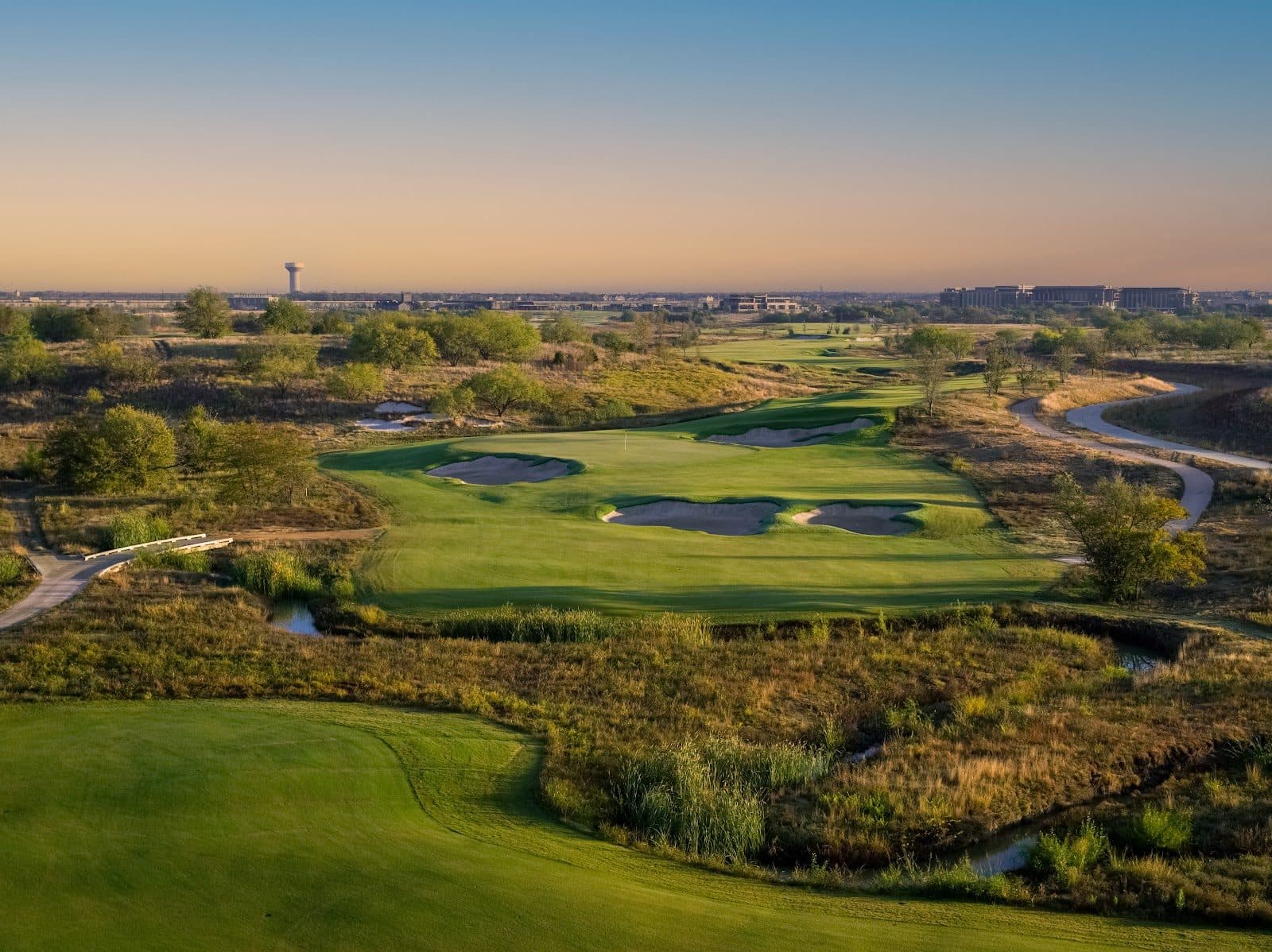
A new-school golf campus built for groups: easy flights, two big courses, short-course energy, and enough Dallas-area support to keep non-golf friction low.
Mountain
St. George / Utah & Nevada
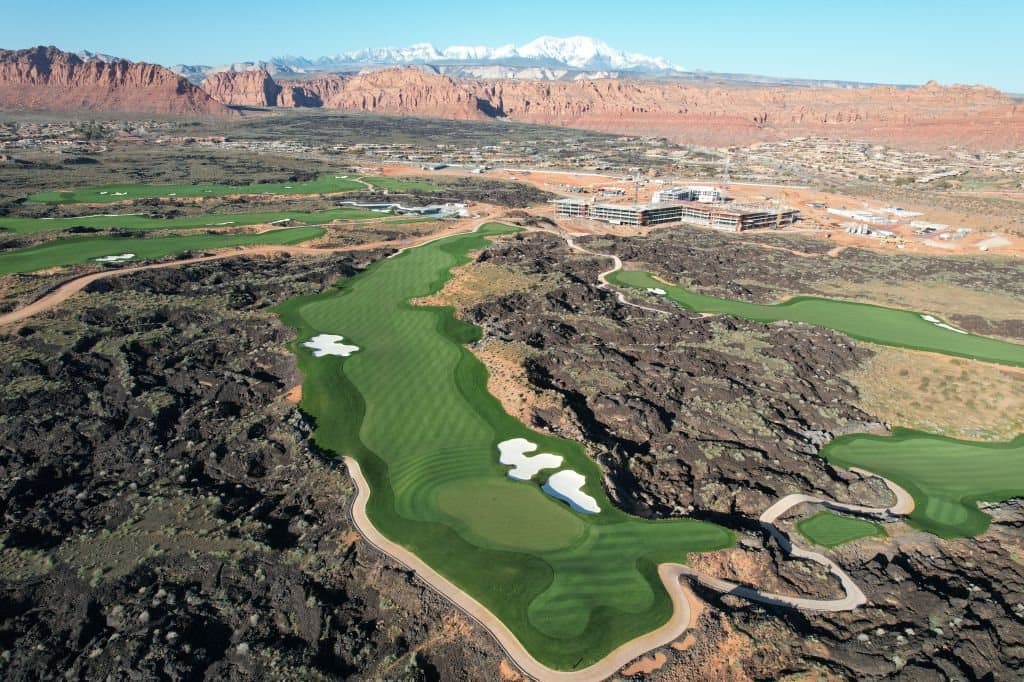
The red-rock desert golf trip with real teeth: Black Desert is the new headline, but Sand Hollow and Wolf Creek make the itinerary.
Canada - West
Banff & Jasper / Alberta CN
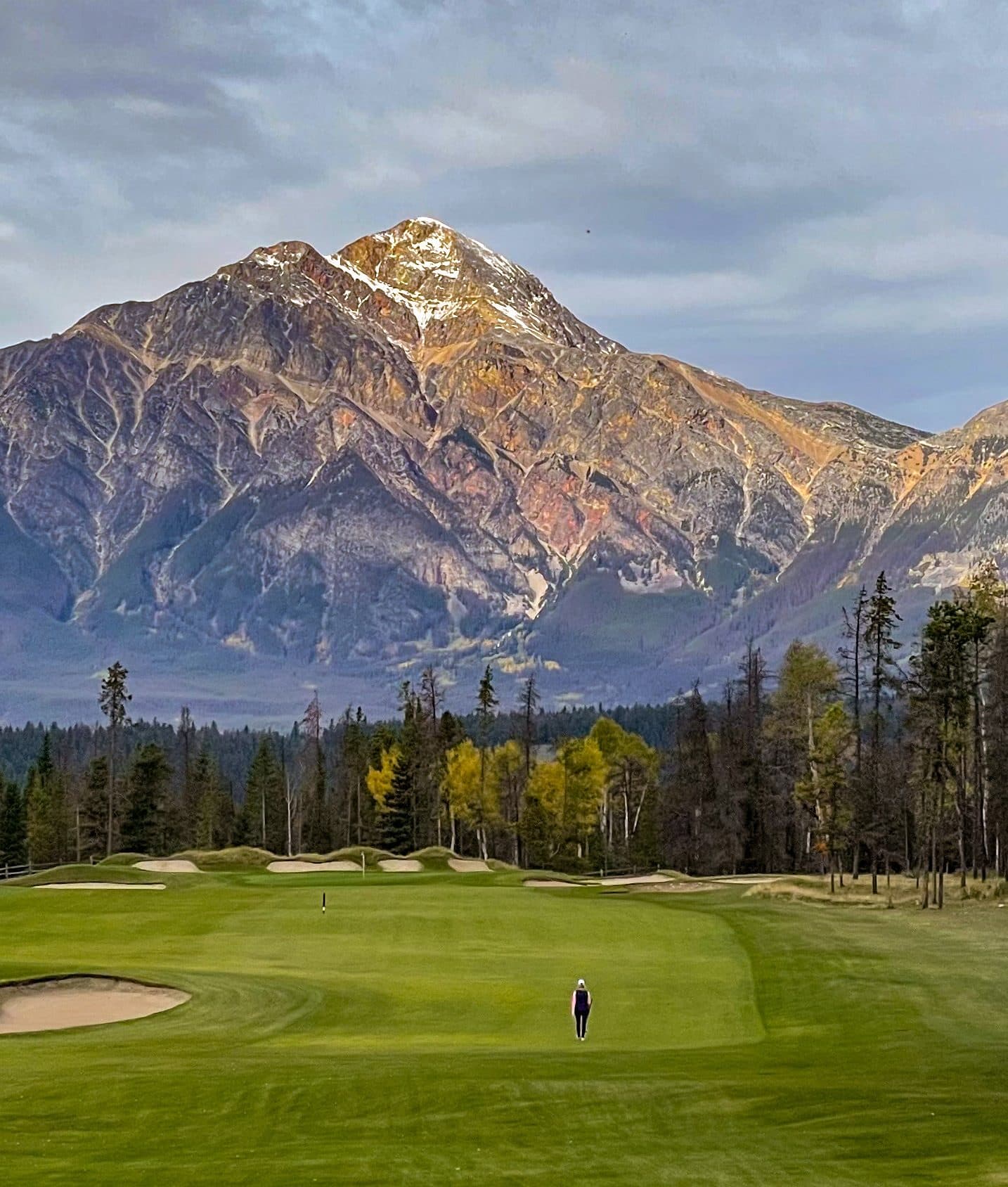
The mountain-scenery trip: Banff and Jasper are not volume plays; they are postcard golf with enough travel friction to make the payoff feel earned.